
Drain Cleaning & Sewer Repair Made Simple: A Homeowner’s Complete Guide (2026 Edition)
If you’ve ever spent an afternoon juggling three phone numbers, repeating the same description of a slow‑draining bathtub, and still ended up with a vague…
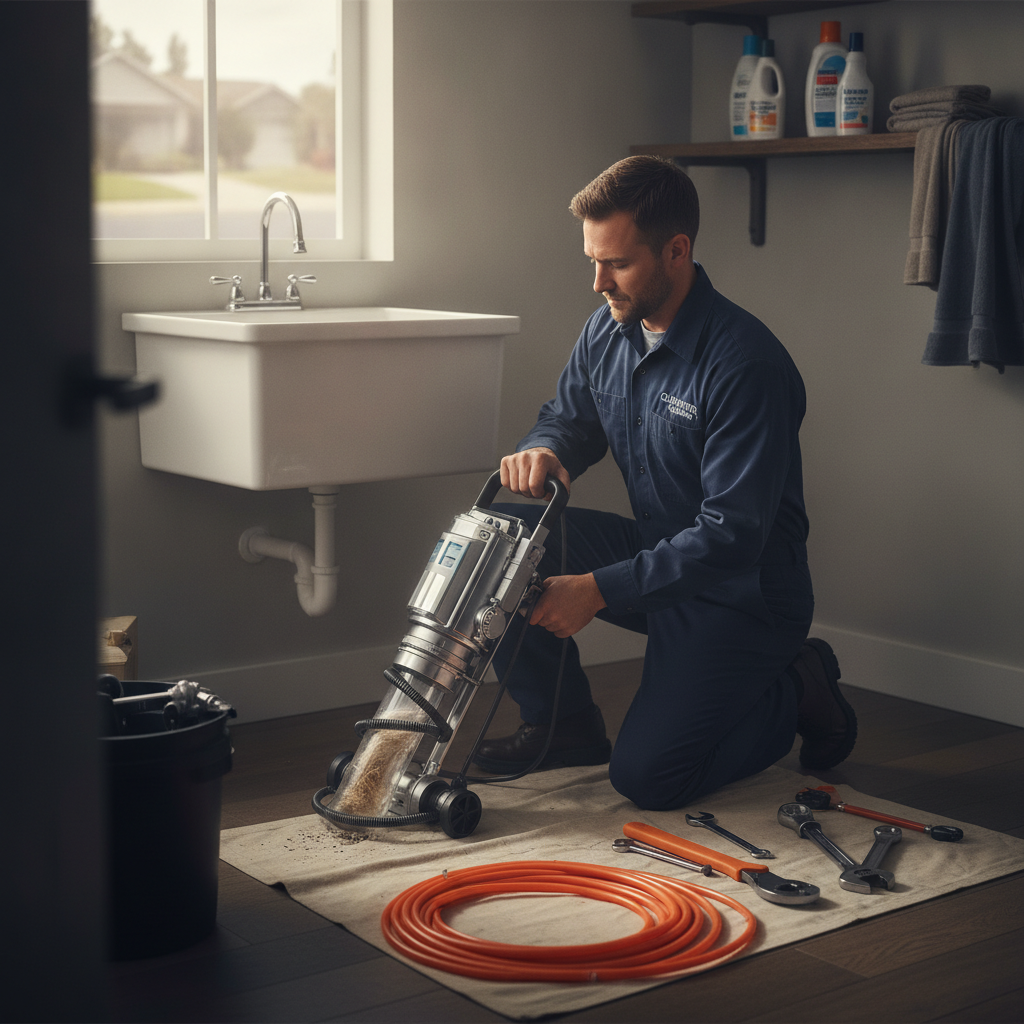
If you’ve ever spent an afternoon juggling three phone numbers, repeating the same description of a slow‑draining bathtub, and still ended up with a vague “$200‑ish” estimate, you already know why the traditional hiring funnel for drain cleaning and sewer repair feels broken. This guide shows you exactly what to expect, how to protect yourself, and why the new AI‑native home‑services workflow from PLMBR is changing the game.
What Homeowners Need To Know About Drain Cleaning & Sewer
Drain and sewer problems are more than an inconvenience—they can quickly become costly emergencies. A blocked kitchen sink, a backed‑up bathroom drain, or a cracked sewer line can damage flooring, cabinets, and even the structural integrity of your home if left untreated.
| Issue | Typical Cause | Why It Matters |
|---|---|---|
| Slow‑draining sink or tub | Grease, hair, or foreign objects trapped in the pipe | Increases the risk of full blockage and water‑damage overflow. |
| Root intrusion in sewer line | Tree roots infiltrate joints | Can cause backups that flood basements and require extensive excavation. |
| Collapsed or cracked pipe | Age, shifting soil, corrosion | Leads to sewage seepage, foul odors, and expensive pipe replacement. |
| Hydro‑jetting needed | Heavy build‑up of mineral deposits | Prevents future clogs and extends pipe life but requires professional equipment. |
Scroll to see all columns →
Why the market matters
- The U.S. drain‑cleaning & sewer market is projected to exceed $8 B by 2026, growing at ~6 % CAGR (IBISWorld).
- 73 % of homeowners feel “ghosted” after the first estimate, and 22 % have paid upfront only to receive incomplete work (HomeAdvisor 2023).
- Seasonal spikes—40‑60 % more pipe‑bursts in winter in the Midwest and 25‑35 % surge during coastal storm season—mean demand for fast, reliable service is always high.
Understanding these dynamics helps you demand the right level of transparency, speed, and accountability from any provider you hire.
Cost / Risk / Hiring Reality
Below is a snapshot of typical price ranges, hidden‑fee pitfalls, and the real risk profile of hiring a drain‑cleaning or sewer‑repair pro in 2024‑2025.
| Service | Typical Price Range (2024) | Hidden Fees You Might Encounter | Payment Risk |
|---|---|---|---|
| Standard drain snaking | $150‑$350 | Disposal or permit add‑ons (often $30‑$80) | Up‑front payment, no escrow |
| Hydro‑jetting (per line) | $400‑$800 | Travel surcharge, “equipment fee” ($50‑$100) | Up‑front or after‑completion only |
| Sewer‑line camera inspection | $250‑$600 | Photo‑review fee, “report fee” ($40‑$70) | Up‑front, sometimes refundable |
| Full sewer line replacement | $2,500‑$7,500 | Permit processing, excavation waste disposal ($150‑$500) | Large upfront deposit (often 50 %) |
| Lead‑fee cost (competitor platforms) | $10‑$200 per lead (Thumbtack) <br> $50‑$150 per lead (Angi) | Pay‑for‑lead with no guarantee of quality | Money lost on dead leads |
Scroll to see all columns →
Pro‑Tip: Always ask for a line‑item quote that separates labor, materials, permits, and any optional services. If a provider only gives a ballpark figure, you’re likely looking at a vague estimate that can balloon later.
How To Vet Providers Without Getting Burned
-
Check Licensing & Insurance
- Verify a state plumbing license (e.g., NYS License #12345).
- Confirm liability insurance and workers’ comp are current; PLMBR auto‑tracks expirations for you.
-
Read Verified Reviews, Not Just Star Ratings
- Look for detailed feedback about punctuality, cleanup, and whether the job matched the quoted scope.
-
Ask for a Structured Booking Packet
- A modern booking packet lists every line item, payment milestone, and terms of service. If a provider can’t generate one, they’re likely still using a traditional lead‑gen funnel.
-
Confirm Escrow‑Backed Payments
- Platforms that hold funds in escrow until you verify completed work dramatically cut the risk of paying upfront and being left with half‑finished repairs.
-
Cross‑Reference with Industry Standards
- The Plumbing‑Heating‑Cooling Contractors Association (PHCC) publishes recommended pricing ranges. Use them as a baseline to spot outliers.
-
Leverage AI‑Assisted Matching (if available)
- PLMBR’s semantic search matches you with providers based on trade, distance, availability, and verified trust signals—far better than keyword‑only listings.
Where The Old Workflow Breaks
| Step | Typical Pain Point | Why It Fails |
|---|---|---|
| 1️⃣ Intake | Homeowner fills a generic form, then repeats the same description in multiple phone calls. | Information gets lost; providers receive inconsistent details. |
| 2️⃣ Provider Discovery | Lead‑gen sites show a list of “pros” with no guarantee they’re available or qualified. | Leads become dead; contractors pay per‑lead fees (average $100) for contacts that never materialize. |
| 3️⃣ Quote Generation | Providers deliver a single vague estimate (“$200‑ish”). | Scope drift leads to surprise bills. |
| 4️⃣ Communication | Email, SMS, or phone threads are scattered across devices; no single place to track updates. | Mis‑communication and ghosting (73 % of homeowners). |
| 5️⃣ Payment | Up‑front cash or card payment before work is verified. | Homeowners risk losing money if the job isn’t completed. |
| 6️⃣ Dispute Resolution | No formal process; homeowners must chase the provider or leave a bad review. | Low trust, high friction. |
Scroll to see all columns →
These breakdowns are why lead‑gen platforms like Angi (Trustpilot 2.2/5) and Thumbtack receive endless complaints about dead leads and hidden fees. The fragmented workflow leaves both sides scrambling.
How PLMBR Changes This Workflow
1. Conversational AI Intake
- You describe the problem in plain English, attach photos, and the AI instantly identifies the trade, urgency, and location. No more “what’s your zip?” loops.
2. Semantic Matching & Zero‑Dead Leads
- PLMBR’s vector‑embedding search surfaces only qualified, nearby providers who have the right licenses, insurance, and availability. Providers see zero dead leads—they only get jobs that are already qualified.
3. Booking Packet Builder (Provider‑Side AI)
- The provider’s AI drafts a structured, line‑item quote (scope, pricing, milestones, terms). Homeowners receive a compare‑packets view where you can side‑by‑side evaluate each offer.
4. In‑Context Messaging & Agent Coordination
- All chat, photos, and packet updates live inside a single thread. For premium seekers, a personal AI agent contacts multiple providers simultaneously, surfacing status updates like “Provider replied – needs clarification.”
5. Escrow‑Backed, Progressive Billing (Stripe Connect)
- Funds are authorized, not captured, and held in escrow until you confirm the milestone is complete. Larger jobs can be split into progressive billing milestones, protecting cash flow for both parties.
6. AI‑Mediated Dispute Resolution
- If a disagreement arises, the platform auto‑generates an evidence pack, offers tiered resolution steps, and even suggests a fair settlement based on historic data.
Result: Homeowners cut phone‑tag by up to 70 %, see transparent line‑item pricing, and only pay when work is verified. Providers eliminate lead‑fee waste, gain qualified jobs, and manage everything from a unified dashboard.
Pro‑Tip: Use PLMBR’s compare‑quotes feature to instantly see which provider offers the best price‑to‑service ratio, along with verified insurance and licensing badges.
Questions To Ask Before Hiring
- Is your license current for my state/city? (Ask for the license number and verify on the state board.)
- Do you carry liability insurance and workers’ comp? (Request a copy; PLMBR stores these documents for you.)
- Can you provide a line‑item booking packet? (Look for labor, material, permit, and any optional fees.)
- How do you handle payments? (Prefer escrow‑backed or progressive billing.)
- What is your typical response time for emergency calls? (Seasonal spikes may affect availability.)
- Do you integrate with field‑service management tools? (If you have an existing system like ServiceTitan, integration saves admin time.)
Having answers to these questions before you schedule the job ensures you stay in control of scope, cost, and timing.
Conclusion
Drain cleaning and sewer repair are high‑stakes home services where speed, clarity, and payment security can make the difference between a quick fix and a costly disaster. The traditional lead‑gen funnel—filled with phone‑tag, vague estimates, and hidden fees—fails both homeowners and providers.
PLMBR solves these problems with an AI‑native workflow that delivers:
- Instant, accurate intake via conversational AI.
- Semantic matching that eliminates dead leads.
- Structured, side‑by‑side booking packets for transparent pricing.
- In‑context messaging that keeps every detail in one thread.
- Escrow‑backed, progressive billing that protects your money.
- AI‑mediated dispute resolution for peace of mind.
Ready to experience a frictionless, escrow‑secured drain cleaning or sewer repair?
- Visit the PLMBR homepage to learn more.
- Find Drain Cleaning & Sewer pros on PLMBR in your city (NYC, Boston, Philadelphia, etc.).
- Compare quotes on PLMBR and see the transparent packets for yourself.
- For more homeowner guides, check out our blog.
Take control of your home’s plumbing health—no more ghosting, no more surprise bills, just clear, AI‑driven service you can trust.
External Resources
- Environmental Protection Agency (EPA) – Sewer System Regulations – Guidance on compliance and permits.
- Plumbing‑Heating‑Cooling Contractors Association (PHCC) – Recommended Pricing – Industry‑standard cost benchmarks.
- Better Business Bureau – Angi Complaints – Consumer complaints about lead‑fee models.
- This Old House – How to Prevent Drain Clogs – Practical maintenance tips.
Your home deserves a service workflow that works for you—not against you. Let PLMBR’s AI‑first platform bring that clarity and confidence to every drain cleaning and sewer repair job.