
Drain Cleaning & Sewer Repair: The Real Costs, Hidden Risks, and How an AI‑First Platform Eliminates the Guesswork
When a kitchen sink backs up at 2 a.m., the last thing you want is a day‑long game of phone tag with three different plumbers. The good news? You don’t have…
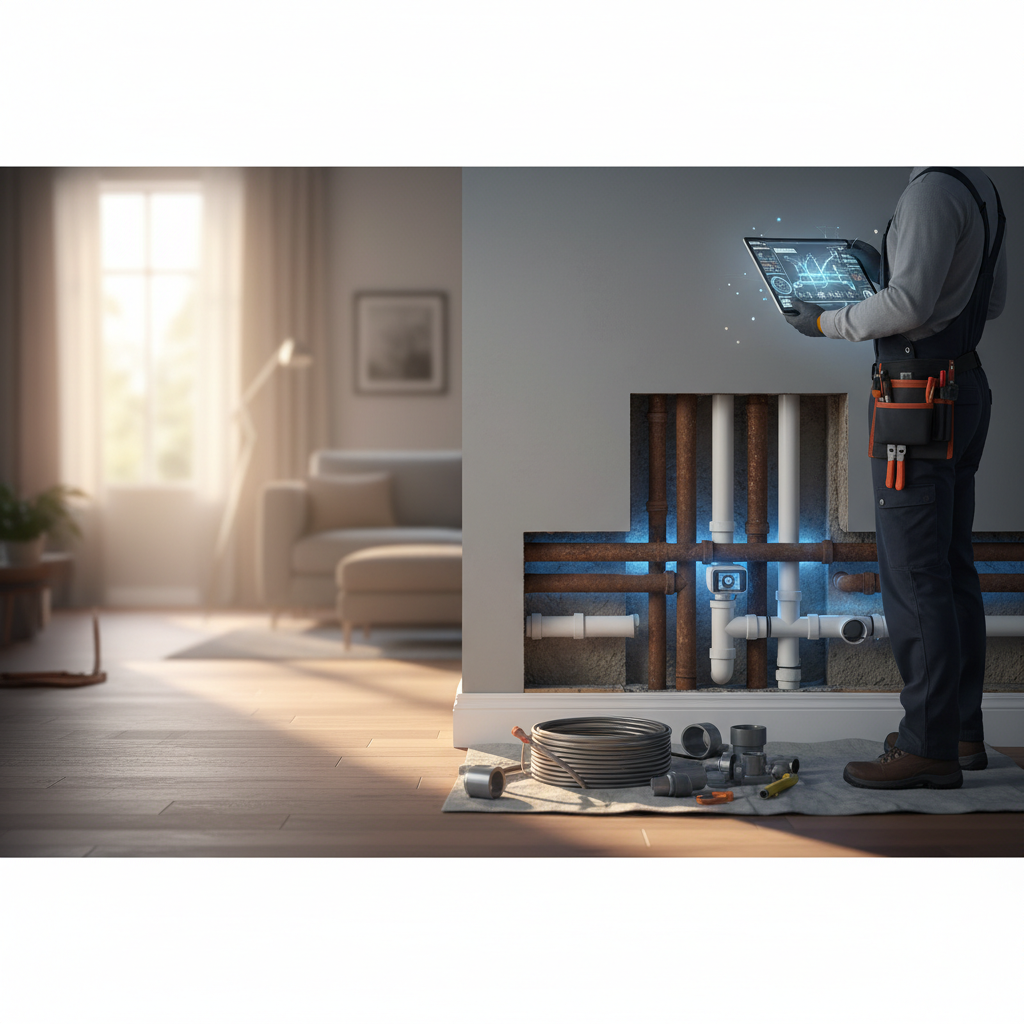
When a kitchen sink backs up at 2 a.m., the last thing you want is a day‑long game of phone tag with three different plumbers. The good news? You don’t have to settle for vague estimates or surprise bills. Below is the most complete, data‑backed guide to drain cleaning and sewer repair for homeowners in the Northeast—and a look at why the old lead‑gen model is finally breaking.
Introduction
A recent Angi consumer survey (2023) found that 68 % of homeowners cite “endless phone tag with multiple plumbers” as their biggest pain point when a drain clogs or a sewer line backs up. At the same time, 42 % of small plumbing firms report that more than 30 % of the leads they receive are dead or unqualified (Thumbtack Provider Survey 2022).
Combine those frustrations with an aging U.S. housing stock—over 50 % of homes were built before 1980, many with cast‑iron or clay sewer lines that are prone to root intrusion and corrosion—and you have a market screaming for a better workflow.
The average cost for a basic drain cleaning ranges from $150‑$350 nationwide, while a full trenchless sewer line replacement can exceed $10,000 in the Northeast [HomeAdvisor][1]. Without transparent, line‑item quotes, homeowners often overpay or face unexpected fees after the work is done.
Enter PLMBR, an AI‑native home‑services workflow and payments platform that replaces the broken lead‑gen chain with a single, escrow‑backed thread, side‑by‑side structured quotes, and zero lead fees for providers. In the sections that follow, you’ll learn everything you need to know about drain cleaning and sewer repair, how to protect yourself from hidden costs, and exactly how PLMBR reshapes the hiring process.
What Homeowners Need To Know About Drain Cleaning & Sewer
The Anatomy of a Drain Problem
- Partial clog – Slow draining, gurgling sounds, or occasional backups. Usually caused by hair, grease, or small debris.
- Full blockage – Water backs up immediately, foul odors appear, and multiple fixtures are affected. Often the result of tree roots, collapsed pipe sections, or severe buildup.
- Sewer line failure – Backups that flood basements, emit a strong “rotten egg” smell, or cause multiple drains to fail simultaneously. Typically indicates a cracked, collapsed, or severely corroded main line.
Common Causes in Older Homes
| Cause | Typical Age of Home | Why It Happens |
|---|---|---|
| Cast‑iron pipe corrosion | Pre‑1970 | Acidic water and soil cause rust, narrowing the pipe. |
| Clay pipe root intrusion | Pre‑1960 | Tree roots seek moisture and pry open cracks. |
| Improper venting | Any age | Older designs may lack proper vent stacks, leading to pressure issues. |
| DIY cleaning chemicals | Any age | Harsh chemicals can eat away at pipe walls, especially older materials. |
Scroll to see all columns →
When to Call a Pro
- Immediate backup affecting multiple fixtures.
- Persistent slow drain after basic DIY attempts (plunger, drain snake).
- Foul sewage odor that lingers.
- Visible water on floor near the main stack or in the yard.
If any of the above apply, you’re likely looking at a professional drain cleaning or sewer line assessment.
Cost / Risk / Hiring Reality
Understanding the true price range helps you avoid “ball‑park” estimates that hide essential line items. Below is a snapshot of 2024 pricing for the Northeast (NYC, Boston, Philadelphia) based on industry data and recent consumer reports.
| Service | Typical Cost Range* | Common Inclusions | Typical Timeline |
|---|---|---|---|
| Basic Drain Cleaning (snaking) | $150‑$350 | Labor, basic snake, disposal | 1‑2 hours |
| Hydro‑Jetting (kitchen or bathroom) | $300‑$800 | High‑pressure water, waste removal, equipment transport | 2‑4 hours |
| Main‑Line Sewer Cleaning (camera + jet) | $500‑$1,500 | Video inspection, jetting, waste haul‑away | 3‑6 hours |
| Trenchless Sewer Line Repair (pipe bursting) | $3,000‑$10,000 | Minimal excavation, new pipe insertion, cleanup | 1‑2 days |
| Full Trenchless Replacement (pipe lining) | $4,500‑$12,000 | Cured‑in‑place pipe (CIPP), inspection, warranty | 1‑2 days |
Scroll to see all columns →
*Numbers reflect 2024 national averages; metropolitan areas like NYC and Boston tend toward the high end of each range [HomeAdvisor][1] [Angi][2].
Hidden Risks
- Scope drift – Initial “estimate” expands after work begins, adding $200‑$600 in unplanned labor.
- Improper waste disposal – Failure to follow the EPA’s 2022 NPDES updates can lead to fines up to $10,000 for illegal hydro‑jet waste discharge [EPA][3].
- Insurance gaps – Unlicensed contractors may lack liability coverage, leaving you liable for property damage.
How To Vet Providers Without Getting Burned
- Check Licensing & Insurance – Verify state plumbing licenses and ask for a copy of liability insurance. PLMBR’s compliance dashboard automatically flags expired documents.
- Read Structured Reviews – Look for reviews that reference line‑item transparency (e.g., “they charged exactly what the packet said”).
- Demand a Booking Packet – A Booking Packet should list every line item (labor, materials, disposal fees) and the payment schedule.
- Confirm Availability – Real‑time calendar integration (Google Calendar, Outlook) prevents over‑booking and ensures the provider can start when you need them.
- Ask About Disposal Compliance – For hydro‑jetting, request a disposal certificate that meets EPA NPDES requirements.
Pro‑Tip: When a provider offers a “flat‑rate” without a detailed packet, ask for a breakdown of labor vs. material costs. Vague pricing is often a red flag for hidden fees later.
Where The Old Workflow Breaks
| Step | Traditional Lead‑Gen Model | What Goes Wrong |
|---|---|---|
| Intake | Homeowner fills a generic form; platform sells the lead. | Information is limited; no photos or urgency signals. |
| Matching | Keyword‑based search returns dozens of providers; homeowner calls each. | Phone tag, duplicated effort, and low‑quality leads. |
| Quoting | Providers give “ball‑park” estimates over the phone. | No line‑item detail; scope drift inevitable. |
| Negotiation | Back‑and‑forth via text or email, often with multiple threads. | Miscommunication, missed messages, and delayed start dates. |
| Payment | Cash or check after work; no escrow. | Risk of non‑payment or being overcharged after the job. |
| Dispute | Homeowner must chase the provider; no formal process. | Long resolution times, potential legal fees. |
Scroll to see all columns →
The Angi & Thumbtack model epitomizes this broken chain: you pay a pay‑per‑lead fee (inflating homeowner costs) and receive vague estimates that can change mid‑project. Providers also waste time chasing dead leads, as shown by the 42 % dead‑lead statistic.
How PLMBR Changes This Workflow
1. Conversational AI Intake
- Photo & urgency capture – Homeowners upload pictures and describe the issue in plain English. The AI instantly identifies the correct trade (e.g., “sewer line inspection”) and asks only the follow‑up questions that improve match quality.
- Semantic matching – Vector embeddings pair you with providers who have the right equipment, proximity, and availability, eliminating irrelevant callbacks.
Example UI:

2. Zero‑Lead‑Fee, Qualified Connections
- No pay‑per‑lead – Providers only see qualified jobs that have passed AI verification. This eliminates the 30 %‑plus dead leads that plague small plumbing firms.
3. AI‑Generated Booking Packets
- Line‑item pricing – The AI pulls historical data and market rates to produce a detailed packet that includes labor, materials, disposal fees, and a payment schedule.
- Terms & conditions – Auto‑generated from a legal library, ensuring compliance with EPA NPDES waste‑disposal rules.
Example UI:

4. Side‑by‑Side Quote Comparison
- Homeowners can view multiple packets in one thread, click “Compare,” and instantly see differences in price, scope, and warranty. No more manually copying numbers into a spreadsheet.
5. In‑Context Messaging & Escrow
- All communications, packets, billing requests, and dispute threads live inside a single chat thread.
- Stripe‑powered escrow holds funds until you confirm work completion, protecting both parties.
Example UI:

6. Progressive Billing & Milestones
- For larger jobs (e.g., trenchless sewer replacement), the platform supports milestone‑based billing, releasing funds only after each phase passes your inspection.
7. AI‑Mediated Dispute Resolution
- If a disagreement arises, the AI compiles evidence (photos, packet terms, chat logs) and suggests a resolution tiered by complexity, dramatically shortening the time to settlement.
Result: Homeowners receive transparent, accurate quotes and a secure payment flow; providers get high‑quality, fee‑free jobs and a unified workspace to run their business.
Questions To Ask Before Hiring
- Can you provide a detailed Booking Packet with line‑item pricing?
- Do you have current liability insurance and a workers’ comp certificate? (PLMBR displays expiration dates.)
- How will you dispose of waste from hydro‑jetting? (Ask for an EPA‑compliant disposal certificate.)
- What is your availability and can it be synced with my calendar?
- Do you offer a warranty on the repair or replacement?
- How does the escrow payment release work? (Explain the Stripe “authorize‑and‑capture” flow.)
Having answers to these questions up front ensures you avoid surprise fees and guarantees that the provider follows local regulations.
Conclusion
The drain cleaning and sewer repair market is riddled with phone tag, vague estimates, and hidden fees—a problem confirmed by 68 % of homeowners and 42 % of providers alike. At the same time, aging infrastructure and new EPA waste‑disposal regulations demand more transparency and compliance than ever before.
PLMBR’s AI‑first workflow eliminates every weak link: it captures your issue with photos, matches you to qualified pros, generates line‑item booking packets, lets you compare quotes side‑by‑side, and secures payment in escrow. No lead fees, no dead leads, no surprise bills.
Ready to experience a hassle‑free drain cleaning or sewer repair?
- Visit the PLMBR homepage.
- Find Drain Cleaning & Sewer pros on PLMBR in your city.
- Compare quotes on PLMBR and get AI‑generated packets in minutes.
For more home‑service guides, check out our blog. Your home deserves a clear, reliable fix—let technology do the heavy lifting.
References
- HomeAdvisor – Drain Cleaning Cost Guide 2023 – https://www.homeadvisor.com/cost/plumbing/clean-a-drain/
- Angi – Sewer Line Replacement Cost 2023 – https://www.angi.com/articles/sewer-line-replacement-cost.htm
- EPA – NPDES Updates 2022 – https://www.epa.gov/npdes/npdes-updates-2022
- Angi Consumer Survey 2023 – (Press release, Angi)
- Thumbtack Provider Survey 2022 – https://www.thumbtack.com/resources/provider-survey-2022.pdf
Empower your home repairs with AI, transparency, and escrow‑backed peace of mind. PLMBR is the future of home‑services workflow—today.