
How to Hire a Drain‑Cleaning & Sewer Pro in 2024 Without Paying Lead Fees or Getting Stuck in Phone‑Tag
The $3 B U.S. drain‑cleaning market is booming, but the hiring loop is still stuck in the 1990s. Learn why the old lead‑gen model hurts homeowners and how an…
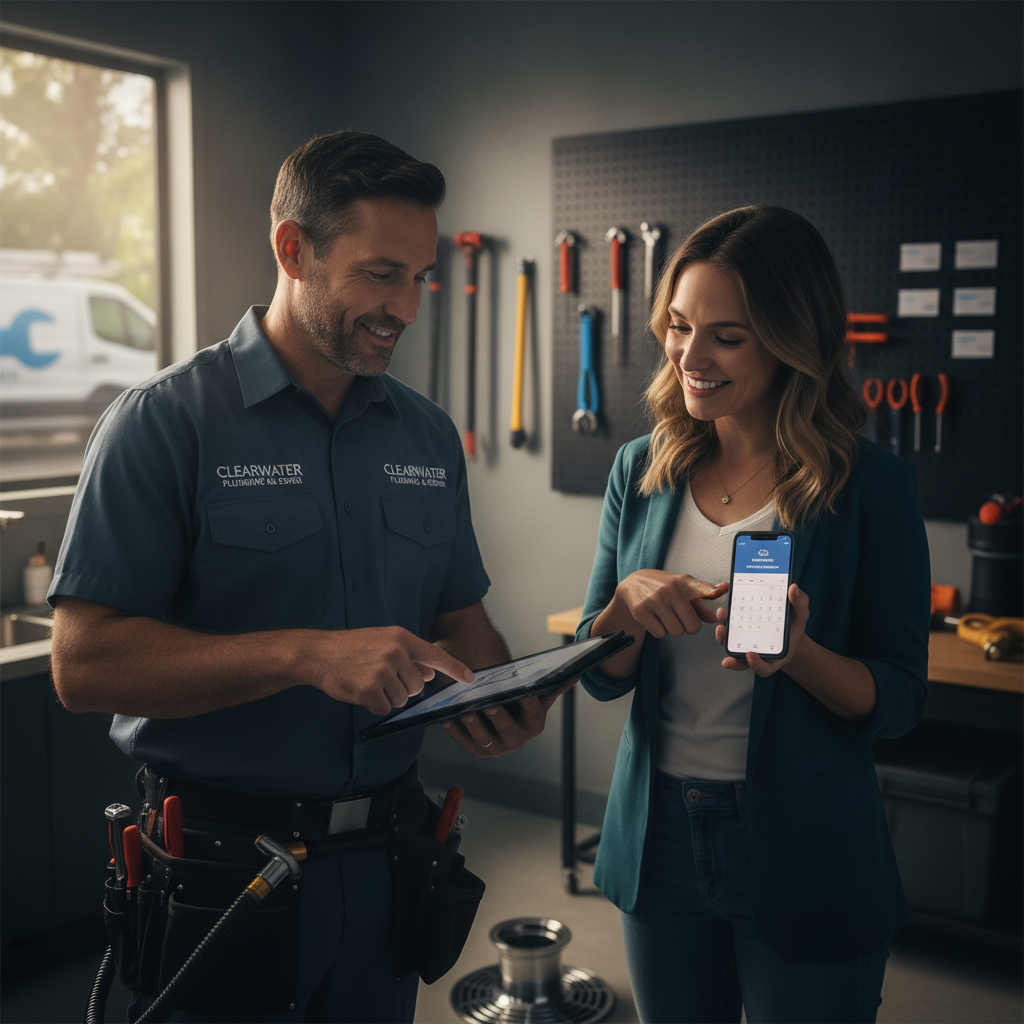
The $3 B U.S. drain‑cleaning market is booming, but the hiring loop is still stuck in the 1990s. Learn why the old lead‑gen model hurts homeowners and how an AI‑first workflow—exemplified by PLMBR—delivers transparent pricing, instant matching, and escrow‑backed payments.
Introduction
Imagine it’s a rainy night in Boston. Water starts bubbling up from your kitchen sink, and the next thing you know you’re dealing with a clogged sewer line. You pick up the phone, dial three local plumbers, and spend four days chasing callbacks, vague “$200‑plus” estimates, and an endless stream of “We’re booked next month.”
You’re not alone. A 2025 HTF Market Intelligence survey found that homeowners average 3‑5 days of “phone‑tag” before they even see a quote. Meanwhile, contractors on platforms like Thumbtack and Angi pay $10‑$100+ per dead lead—costs that ultimately surface as hidden fees for you.
The result is a $3 B market riddled with inefficiency, surprise bills, and compliance headaches. In this guide we’ll:
- Break down what you need to know about drain cleaning & sewer repair.
- Show realistic cost ranges and hidden risks.
- Teach you how to vet providers without getting burned.
- Reveal where the traditional hiring workflow breaks down.
- Demonstrate how PLMBR’s AI‑native platform eliminates those pain points.
- Provide a checklist of must‑ask questions before you sign a contract.
By the end, you’ll have a clear, step‑by‑step path to get your pipes fixed fast, fairly, and fee‑free.
What Homeowners Need To Know About Drain Cleaning & Sewer
| Aspect | Details | Why It Matters |
|---|---|---|
| Common Issues | • Kitchen sink or bathtub clogs <br>• Tree‑root intrusion in lateral sewer lines <br>• Grease buildup in commercial kitchens | Knowing the symptom helps the AI intake ask the right follow‑up questions (e.g., “Is the water backing up in multiple fixtures?”). |
| Typical Solutions | • Snaking (mechanical coil) – $150‑$500 <br>• Hydro‑jetting (high‑pressure water) – $300‑$800 per line <br>• Sewer‑line camera inspection – $150‑$250 <br>• Pipe relining or replacement – $1,000‑$5,000+ | Structured booking packets list each line item so you can compare apples‑to‑apples. |
| Regulatory Triggers | • EPA’s 2025‑2026 sewer‑overflow rules require documented disposal of waste water. <br>• Many municipalities demand proof of licensed contractors and insurance before work begins. | PLMBR’s intake flow automatically captures compliance documents, avoiding costly re‑work later. |
| Seasonality | • Winter freeze‑thaw cycles → burst pipes <br>• Spring rains → increased sewer backups | AI‑driven urgency scoring flags high‑risk jobs and pushes them to the nearest available provider. |
| Typical Timeline | 1. Problem identified → 2–4 hrs intake (AI) → 1‑2 days matching → 1‑3 days quote delivery → Work scheduled within 7‑10 days (average) | Faster timelines are a competitive edge; traditional lead‑gen sites often take 10‑14 days just to get a single quote. |
Scroll to see all columns →
Pro‑Tip: If you notice water pooling near the foundation, treat it as a severe sewer‑line issue. Prompt inspection can prevent expensive foundation repairs later.
Cost / Risk / Hiring Reality
Below is a realistic snapshot of what you’ll pay—before any hidden fees or “lead‑fee” mark‑ups.
| Service | Typical Price Range* | Hidden Risks / Extra Costs |
|---|---|---|
| Basic drain snaking | $150‑$500 | May require a second pass if blockage is deep; some plumbers charge a “call‑out fee” $50‑$100. |
| Hydro‑jetting | $300‑$800 per line | Disposal of waste water may add 5‑10 % if municipal permits are required (EPA). |
| Camera inspection | $150‑$250 | Some providers bundle inspection with repair, inflating the final bill. |
| Sewer‑line repair (section) | $1,000‑$5,000+ (depends on depth, material) | Unexpected “excavation” fees, road‑opening permits, or insurance surcharges. |
| Lead‑gen platform fee (competitor) | $10‑$100 per lead (Thumbtack) <br> $45 per lead + $350/mo (Angi) | Passed to homeowner as higher quote or “service fee.” |
| Phone‑tag delay cost | $0 (time lost) | Average 3‑5 days of back‑and‑forth translates to water damage risk and stress. |
Scroll to see all columns →
*All figures are U.S. residential averages from industry pricing surveys (HTF Market Intelligence, 2025) and the Insight Partners market report (2024).
Key takeaway: The biggest hidden cost isn’t the pipe repair itself—it’s the administrative friction that forces you to chase leads, negotiate vague estimates, and risk non‑compliant work.
How To Vet Providers Without Getting Burned
-
Check Licensing & Insurance
- Verify the contractor’s state plumbing license (often searchable on the state licensing board).
- Ask for a certificate of liability insurance and workers’ comp; PLMBR auto‑tracks expiration dates.
-
Look for Structured Quotes
- Line‑item pricing (e.g., “Snaking – $250, Labor – $150”) beats a lump‑sum “$500 estimate.”
- Compare multiple packets side‑by‑side to spot outliers.
-
Read Verified Reviews & Ratings
- Prioritize platforms that display verified homeowner feedback tied to completed jobs (PLMBR includes escrow‑verified reviews).
-
Confirm Compliance With EPA Sewer Rules
- Ask whether the contractor follows the EPA’s wastewater disposal guidelines; documented compliance avoids fines.
-
Test Communication Speed
- Send a quick photo of the issue. A reputable pro (or an AI‑assisted provider) should respond within 1‑2 hours on a messaging platform.
-
Avoid Up‑Front “Full‑Payment” Requests
- Look for progressive billing (milestone‑based) or escrow‑hold until the job is verified complete.
Pro‑Tip: Use the provider’s “Agent” on PLMBR to draft a response and confirm that the contractor can generate a structured packet automatically—saving you time and ensuring consistency.
Where The Old Workflow Breaks
| Stage | Traditional Pain Point | Real‑World Impact |
|---|---|---|
| Intake | Homeowner describes problem in a phone call; provider must guess trade, urgency, and location. | Mis‑routed jobs, wasted time, missed emergencies. |
| Matching | Lead‑gen sites use keyword matching; many irrelevant providers appear. | Homeowner scrolls through dozens of “pros” that don’t serve their city or trade. |
| Quote Generation | Contractors hand‑write vague “$300‑$500” estimates. | Scope creep, surprise fees, no clear line‑item breakdown. |
| Communication | Endless back‑and‑forth via phone or email. | 3‑5 days of phone‑tag; increased risk of water damage. |
| Payment | Up‑front cash or credit card on the spot; no escrow. | Homeowners pay before work is verified, leading to disputes. |
| Dispute Resolution | Manual, often requires third‑party arbitration. | Hours of hassle, potential legal fees. |
| Lead Fees | Providers pay per lead ($10‑$100+). | Costs are baked into homeowner quotes, inflating price. |
Scroll to see all columns →
The cumulative effect is stress, hidden costs, and a lack of trust—the exact problems PLMBR was built to solve.
How PLMBR Changes This Workflow
1. Conversational AI Intake
- Homeowners type a simple description (e.g., “My kitchen sink is bubbling and there’s a foul smell”) and upload photos.
- The AI instantly identifies the trade (drain cleaning), urgency level, and location.
Figure: AI intake captures problem details and photo in seconds.

2. Semantic Search & Smart Matching
- Instead of keyword matching, PLMBR uses vector embeddings to surface the best‑fit, vetted providers within a 10‑mile radius.
- Providers with high ratings, valid licenses, and up‑to‑date insurance rise to the top.
3. AI Agent Outreach (Premium)
- The homeowner’s AI agent contacts multiple providers simultaneously, tracks each reply, and surfaces only the most relevant follow‑ups.
Figure: AI agent reaches out to three qualified plumbers at once.

4. Booking Packet Builder
- Providers generate a structured quote with line‑item pricing, milestones, and terms—all inside the chat thread.
Figure: Side‑by‑side packet comparison lets you pick the best value.

5. In‑Context Messaging & Escrow Payments
- All communication, packets, billing requests, and dispute forms live inline with the chat thread.
- Payments are authorize‑and‑capture via Stripe, held in escrow until the homeowner confirms completion.

6. Zero Lead Fees for Providers
- Because PLMBR matches qualified demand directly to supply, providers never pay per‑lead fees. This cost saving is passed to you as transparent, competitive pricing.
7. AI‑Mediated Dispute Resolution
- If a problem arises, the AI assembles an evidence pack (photos, packet details, chat logs) and suggests a resolution tier, cutting dispute time from weeks to hours.
Result: A single, frictionless workflow that takes you from “my sink is clogged” to “job complete, payment released” in under 48 hours for most standard jobs—without hidden fees or endless phone tag.
Questions To Ask Before Hiring
- Are you licensed and insured in [your state/city]?
- Can you provide a structured booking packet with line‑item pricing?
- How do you handle payment? (Look for escrow or progressive billing.)
- What is your estimated time to start after the packet is approved?
- Do you comply with the latest EPA sewer‑overflow regulations?
- Do you offer a warranty or guarantee on the work?
- Can you share references from recent drain‑cleaning jobs in my neighborhood?
Having these answers ready speeds up the AI‑agent coordination and prevents surprise costs.
Conclusion
The drain‑cleaning market is growing fast—but the way homeowners hire plumbers is stuck in a 20‑year‑old loop of lead fees, vague estimates, and endless phone‑tag. By embracing an AI‑first workflow like PLMBR, you can:
- Eliminate lead fees – providers pay nothing for dead leads, so you get cleaner prices.
- Get instant, data‑driven matches – semantic search finds the right pro in minutes.
- Compare structured, line‑item packets – no more guessing what “$500” actually covers.
- Pay safely with escrow – funds released only after you confirm the job is done.
- Resolve disputes quickly – AI‑mediated evidence packs cut resolution time dramatically.
Ready to ditch the phone tag and hidden fees? Start your next drain‑cleaning project with the AI‑native home services workflow that puts you in control.
- 👉 Visit the PLMBR homepage to learn more.
- 👉 Find vetted Drain Cleaning & Sewer pros on PLMBR in your city.
- 👉 Use the compare quotes tool to see structured packets side‑by‑side.
- 👉 Explore other guides in our blog library for more home‑service insights.
Take the stress out of the pipe‑fixing process—let AI do the matching, messaging, and money‑holding, while you enjoy a clear, predictable, and fee‑free experience.