
How to Hire a Fence Contractor Without the Usual Headaches (And What It Really Costs)
Imagine you’re standing in your backyard, a fresh‑cut hole in the fence where a neighbor’s dog just slipped through. You pick up the phone, only to be bounced…
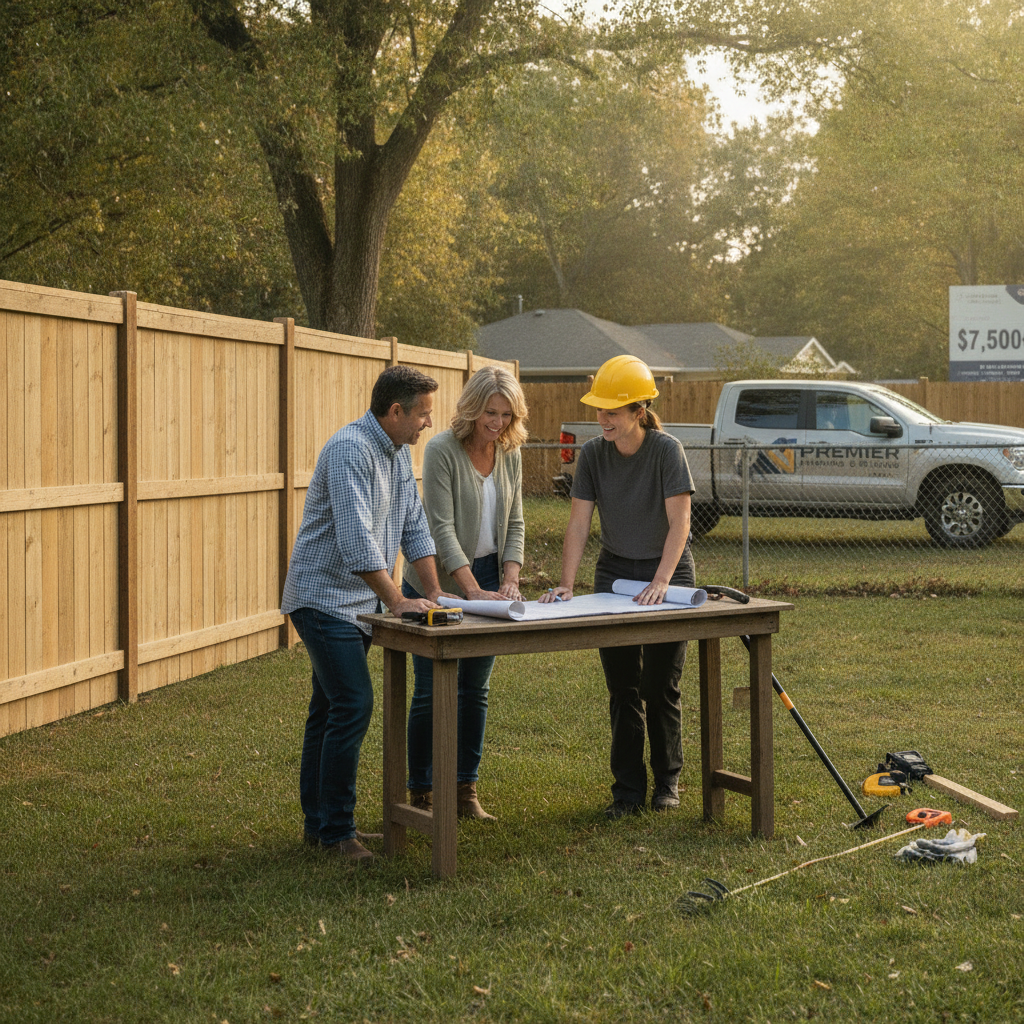
Imagine you’re standing in your backyard, a fresh‑cut hole in the fence where a neighbor’s dog just slipped through. You pick up the phone, only to be bounced from one contractor’s voicemail to another’s “we’ll call you back” on‑hold loop. By the time you finally get a “ball‑park” estimate, the price has already swelled 30 % and you’re still not sure if the contractor is licensed, insured, or even going to show up. Sound familiar?
According to the 2024 Home Service Customer Service Report, “endless phone tag” is the top frustration for homeowners looking to hire any home‑service professional – and fencing is no exception. At the same time, contractors are drowning in lead‑fee traps that can cost $30‑$150 per qualified lead on platforms like Angi and Thumbtack, eroding margins on a job that averages $15‑$45 per linear foot for wood fencing (HomeAdvisor, 2024).
If you’re ready to cut through the noise, avoid hidden costs, and actually get a fence installed on time and on budget, keep reading. This guide walks you through the entire hiring journey, highlights the biggest pain points, and shows how an AI‑native workflow like PLMBR eliminates the old‑school hassles.
What Homeowners Need to Know About Fencing
Fencing isn’t just about keeping pets in or intruders out – it’s a major visual and functional upgrade that impacts curb appeal, property value, and even insurance rates. Before you start scouting contractors, get clear on these fundamentals:
- Material matters – Wood, vinyl, aluminum, chain‑link, and composite each have distinct lifespans, maintenance needs, and price ranges.
- Local codes & permits – Cities such as New York City and Boston require a building permit for fences over 6 ft or for certain materials. Failure to obtain one can lead to fines or forced removal.
- Installation variables – Soil condition, terrain slope, and existing structures affect labor time and equipment costs.
- Warranty & maintenance – Reputable contractors will offer a warranty on workmanship (typically 1‑2 years) and may provide maintenance recommendations for wood or vinyl.
Pro‑Tip: If you’re in a historic district (e.g., Beacon Hill in Boston), check with the local preservation commission before finalizing any design. Non‑compliant fences can trigger costly retrofits.
Cost / Risk / Hiring Reality
Understanding the true cost structure helps you compare quotes objectively. Below is a snapshot of typical price components for a 200‑ft wood fence in the Northeast, based on 2024 market data.
| Cost Component | Typical Range (per linear foot) | Example Total for 200 ft | What It Covers |
|---|---|---|---|
| Materials | $10‑$20 (pressure‑treated pine) | $2,000‑$4,000 | Panels, posts, rails, concrete footings |
| Labor | $5‑$12 | $1,000‑$2,400 | Excavation, post set, panel installation |
| Permits | $50‑$150 (city fee) | $50‑$150 | Required in NYC, Boston, Philadelphia |
| Disposal/Haul‑away | $0.50‑$1.00 | $100‑$200 | Removal of old fence or debris |
| Progressive Billing Milestones | N/A | N/A | Typically: 30 % deposit, 40 % mid‑job, 30 % final |
| Escrow/Payment Hold | 0 % fee (via Stripe) | $0 | Funds released after job completion |
Scroll to see all columns →
Why the Numbers Matter
- Material price volatility: The USDA lumber price index jumped 12 % YoY in 2024, meaning a quote that didn’t account for current market rates can become stale within weeks.
- Cash‑flow risk: Traditional contracts often require a full upfront payment, exposing homeowners to the “no‑show” risk. The Home Service Consumer Survey found 62 % of homeowners would prefer an escrow‑backed payment model.
- Hidden fees: Lead‑fee platforms charge contractors per lead, which are often passed down to you as a markup. A study of Angi’s lead model shows an average $75 per qualified lead—roughly 20 % of profit on a small fence job.
How to Vet Providers Without Getting Burned
The market is flooded with “licensed” contractors, but not all licenses are equal. Follow this checklist to separate the pros from the pretenders:
-
Verify licensing & insurance
- Search the state licensing board (e.g., NY Department of State Division of Licensing Services).
- Request a copy of liability insurance and workers‑comp coverage; PLMBR stores these documents in‑thread for easy reference.
-
Check reviews & dispute history
- Look beyond star ratings. Scan recent comments for patterns of scope creep or payment disputes.
- PLMBR’s AI aggregates review sentiment and flags contractors with frequent dispute filings.
-
Confirm permits are handled
- A reputable fence installer will either obtain the permit for you or provide a clear, itemized permit‑fee quote.
-
Ask for a line‑item quote
- Avoid “ball‑park” estimates. A structured booking packet should break down material, labor, permits, and any optional extras.
-
Evaluate response speed
- Contractors who take days to reply often have scheduling bottlenecks. PLMBR’s Provider Agent can draft replies instantly, reducing the back‑and‑forth time dramatically.
Pro‑Tip: If a contractor refuses to give a written scope or tries to discuss price only over the phone, walk away. Transparency is non‑negotiable.
Where the Old Workflow Breaks
Traditional fence‑hiring pipelines look something like this:
- Phone Tag & Email Ping‑Pong – Homeowners call multiple listings, leave voicemails, and chase callbacks.
- Vague, “Ball‑Park” Estimates – Contractors provide rough ranges without material specs or labor breakdowns.
- Lead‑Fee Traps – Platforms charge contractors per lead; many leads never convert, inflating your final price.
- Scope Drift & Surprise Bills – Without a formal packet, contractors add “unforeseen” line items mid‑project.
- Payment Risk – Upfront deposits are held by the contractor; if the job stalls, homeowners have little recourse.
- Post‑Job Dispute Hassles – Dispute resolution is a separate phone call, often requiring lawyers or mediator fees.
These friction points are precisely why 71 % of contractors say AI tools would improve quoting speed (Gartner, 2024) and why homeowners are demanding smarter solutions.
How PLMBR Changes This Workflow
PLMBR replaces the broken pipeline with an AI‑native, end‑to‑end workflow that gives both sides clarity, control, and speed.
| Feature | Old Process Pain Point | PLMBR Solution |
|---|---|---|
| Conversational AI Intake | Homeowner must write long emails or explain the problem over the phone. | Simply describe the fence issue in plain English (and upload a photo). The AI instantly identifies the trade, urgency, and location. |
| Semantic Search & Matching | Keyword‑based listings surface irrelevant contractors. | Vector‑embedding search finds the best‑fit fence pros based on proximity, ratings, and verified compliance. |
| AI Seeker Agent (Premium) | Homeowner chases multiple providers manually. | One click launches an AI agent that reaches out to several vetted pros, tracks each response, and surfaces ready‑to‑review packets. |
| Booking Packet Builder | Vague quotes with no line items. | AI generates a structured packet that includes material type, unit cost, labor hours, permit fees, and milestone billing schedule—all inline in the chat thread. |
| Compare‑Packets View | Homeowner must copy/paste PDFs into a spreadsheet. | Side‑by‑side comparison UI (see compare_packets.png) lets you instantly see which quote offers the best value. |
| Escrow‑Backed Payments | Upfront cash at risk of non‑completion. | Stripe‑powered authorize‑capture holds funds until each milestone is approved, eliminating payment anxiety. |
| Progressive Billing | One lump‑sum invoice after work. | Milestone‑based billing (e.g., post‑post‑hole, post‑panel‑install) aligns cash flow with actual progress. |
| AI‑Mediated Dispute Resolution | Lengthy phone calls and legal fees. | Automated evidence packs and recommendation engine resolve most disputes within the messaging thread. |
| Compliance Dashboard | Manual tracking of licenses, insurance expirations. | Auto‑expiration alerts keep documents current; providers upload directly to their profile. |
| Zero Lead Fees | Contractors spend $30‑$150 per lead. | PLMBR connects you only with qualified, paying homeowners—no per‑lead cost, no hidden margin markup. |
Scroll to see all columns →
Real‑World Example: Boston Homeowner Gets Three Quotes in 30 Minutes
Emily from Cambridge described her fence problem in a few sentences, attached a backyard photo, and clicked “Start AI Agent.” Within 12 minutes the agent reached out to five vetted Boston fence contractors. Three responded, each delivering a booking packet with line‑item pricing, permit costs, and a 30‑day milestone schedule. Emily compared them side‑by‑side, selected the best fit, and the first $600 deposit was held in escrow—all without a single phone call.
Questions to Ask Before Hiring
Even with an AI‑enhanced platform, asking the right questions ensures you and the contractor are aligned.
- What specific materials and finishes are included?
- Can you provide a detailed line‑item quote (booking packet) before any deposit?
- How do you handle permits, and what are the associated fees?
- What is your milestone billing schedule, and how is progress verified?
- Do you carry liability insurance and workers’ compensation, and can you share the certificates?
- What’s your warranty on workmanship, and how are warranty claims processed?
- Will you sync the job to my calendar or a field‑service platform? (PLMBR integrates with Google Calendar, Outlook, and ServiceTitan.)
Write down the answers, compare them across the packets, and use PLMBR’s Compare‑Packets view to spot any gaps before you sign.
Conclusion: Take Control of Your Fence Project Today
Hiring a fence contractor shouldn’t feel like navigating a maze of phone calls, vague estimates, and hidden fees. By understanding the real cost components, vetting providers rigorously, and leveraging an AI‑native workflow, you can:
- Cut hiring time from weeks to minutes.
- Secure transparent, line‑item quotes that protect you from scope creep.
- Hold payments in escrow until each milestone is verified, eliminating cash‑flow risk.
- Avoid lead‑fee markups that inflate your bill.
Ready to experience a frictionless fence installation? Start with a free AI‑driven intake on the PLMBR homepage, browse vetted pros on the Fencing services page, and compare quotes—all within a single, secure thread.
Your backyard deserves a sturdy, beautiful fence. Your wallet deserves clarity. Let AI do the heavy lifting—so you can focus on enjoying the view.
Further Reading & Resources
- U.S. Department of Agriculture – Lumber Price Index 2024 – Understand material cost trends.
- NYC Department of Buildings – Fence Permit Guide – Learn local permit requirements.
- Better Business Bureau – Home Services Reviews – Check contractor reputations.
- This Old House – Choosing Fence Materials – Expert advice on material selection.
(All external links are to reputable, authoritative sources.)