
How to Hire a Locksmith in 2024 Without Getting Scammed – The PLMBR Way
Your home is your sanctuary. When you’re locked out or need a lock replaced, you shouldn’t have to juggle phone tags, vague estimates, and surprise bills.…
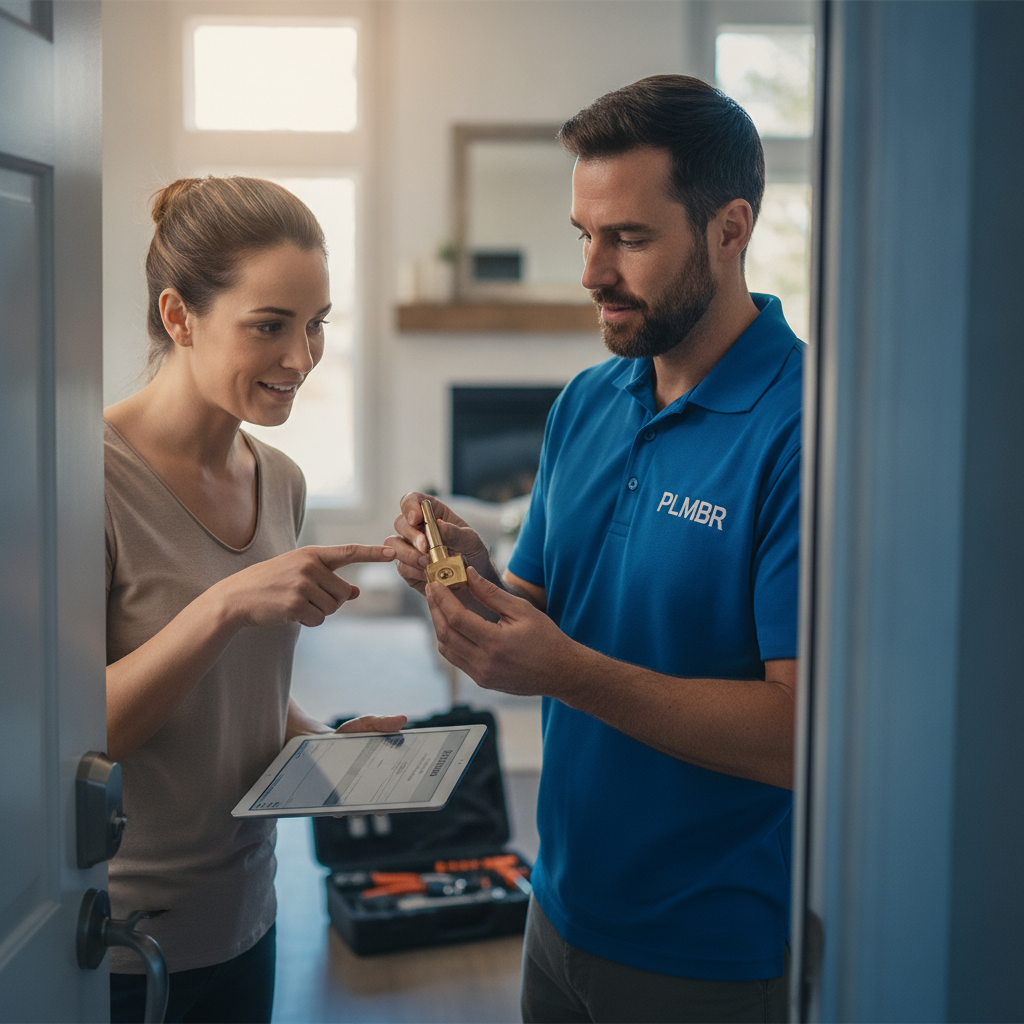
Your home is your sanctuary. When you’re locked out or need a lock replaced, you shouldn’t have to juggle phone tags, vague estimates, and surprise bills. Below is a step‑by‑step, data‑driven guide that shows you exactly what to look for, how to avoid common scams, and why the AI‑native platform PLMBR is changing the game for homeowners and locksmiths alike.
Introduction
Imagine it’s 10 p.m. in Boston and you’ve just dropped your keys in a storm drain. You dial a “24‑hour locksmith” you found on a generic directory. After a 20‑minute hold, the contractor says, “I’ll be there in an hour—$99 for the call‑out, $120 for the lock change.” You agree, the technician arrives, and three hours later the invoice reads $350 because of “additional hardware” and “emergency surcharge.”
You’re not alone. According to the Home Service Customer Service Report (2024), 38 % of homeowners say they’ve been overcharged after a lock‑out or lock‑change job. The problem is systemic: the locksmith market lacks uniform licensing, price transparency is almost non‑existent, and lead‑generation platforms charge providers steep per‑lead fees while offering no guarantee of quality.
In this guide you’ll learn:
- The essential knowledge every homeowner needs before hiring a locksmith.
- Real‑world cost ranges and risk factors backed by industry data.
- A vetted checklist to avoid scams.
- Where the traditional hiring workflow breaks down.
- How PLMBR’s AI‑driven workflow eliminates those pain points.
- The exact questions you should ask before you sign a quote.
Let’s lock down the process so you can get the right professional—fast, fairly priced, and with peace of mind.
What Homeowners Need to Know About Locksmiths
Locksmiths handle everything from simple key duplication to high‑security lock installations for smart homes. Because the trade sits at the intersection of security and convenience, a few fundamentals are crucial:
- Licensing varies by state. Only 31 of the 50 U.S. states require a formal locksmith license, and there is no federal standard. This uneven landscape means you must verify local credentials yourself. (Locksmiths.co.uk FAQ)
- Insurance matters. A reputable locksmith should carry liability insurance and workers’ comp. Without it, you could be on the hook for any damage or injury that occurs on your property.
- Specializations exist. Residential, commercial, automotive, and high‑security (e.g., smart locks) each require different tools and expertise. Make sure the provider lists the specific service you need.
- Pricing is often “quote‑drift.” Many technicians give a low phone estimate, then add “on‑site upsell” items once they see the door. This practice fuels the 38 % over‑charge statistic.
Understanding these basics lets you ask the right questions and compare apples‑to‑apples when you receive multiple quotes.
Cost / Risk / Hiring Reality
Below is a snapshot of typical costs and associated risks for common locksmith services in the Northeast (NYC, Boston, Philadelphia). All figures are 2024 averages from HomeAdvisor, Angi, and industry surveys.
| Service | Typical Range (USD) | Common Risk Factors | Recommended Safeguard |
|---|---|---|---|
| Rekey a single‑door lock | $70 – $120 | Low‑ball quote, missing key blanks | Request a line‑item packet with parts & labor broken out. |
| Replace a deadbolt | $120 – $250 | Upsell of premium lock brand | Verify brand & model in the quote; ask for a price‑match guarantee. |
| Emergency lockout (residential) | $150 – $300 | “After‑hours surcharge” + hidden travel fee | Confirm total cost before the technician departs. |
| Smart lock installation | $200 – $450 | Compatibility issues, firmware fees | Ask for a warranty clause and post‑install support. |
| Commercial high‑security lock | $350 – $800+ | Complex programming, ongoing maintenance | Require a detailed scope of work and progressive billing milestones. |
Scroll to see all columns →
Pro tip: If a locksmith can’t provide a written, itemized quote before you schedule, walk away. Transparent pricing is the single strongest predictor of a trustworthy provider.
How to Vet Providers Without Getting Burned
-
Check licensing and insurance
- Visit your state’s licensing board website (e.g., Massachusetts Department of Consumer Affairs – Locksmith License).
- Ask to see a copy of liability insurance and workers’ comp certificates; PLMBR’s platform automatically flags missing documents.
-
Read verified reviews, not just star ratings
- Look for detailed comments about punctuality, professionalism, and whether the final bill matched the quoted amount.
- Beware of “all‑5‑star” profiles with no substantive feedback—these are often fake.
-
Confirm identity with a photo ID
- Legitimate locksmiths carry a photo badge and company logo on their vehicle.
-
Ask for a written booking packet
- The packet should list every line item (e.g., “cylinder – $45”, “labor – 1.5 hr @ $75/hr”).
- This is where PLMBR shines: its AI Booking Packet Builder creates structured quotes directly from the conversation, leaving no room for surprise fees.
-
Verify price consistency across multiple quotes
- If three providers give wildly different totals for the same scope, dig deeper. The outlier may be either a bargain (but possibly low quality) or a hidden‑fee trap.
-
Use a platform that doesn’t charge per lead
- Traditional lead‑gen sites (Angi, Thumbtack) charge providers $10‑$100+ per lead with no guarantee of conversion. (Thumbtack Lead‑Fee Analysis 2024) This creates a “pay‑to‑scam” ecosystem where providers feel pressured to over‑sell. PLMBR eliminates lead fees entirely, meaning locksmiths can focus on quality rather than quantity.
Where the Old Workflow Breaks
| Step | Traditional Pain Point | Why It Happens |
|---|---|---|
| Intake | Homeowner describes problem over the phone → multiple back‑and‑forth calls. | No AI assistance; providers rely on manual notes. |
| Matching | Phone‑tag and inaccurate search (keyword‑only) lead to unqualified providers. | No semantic search; “locksmith” matches any trade. |
| Quoting | Verbal estimate, then on‑site upsell. | No structured packet; pricing left to guesswork. |
| Scheduling | Manual calendar entry → double‑bookings, missed windows. | No integration with Google/Outlook calendars. |
| Payment | Cash or card at door, no escrow; risk of non‑completion or fraud. | No secure hold‑and‑release flow. |
| Dispute | Homeowner must chase the contractor; no clear evidence trail. | No in‑context messaging or evidence packs. |
Scroll to see all columns →
These gaps create the classic homeowner frustrations: phone tag, vague scopes, surprise bills, and unsafe payments. They also burden locksmiths with administrative overhead, inventory mis‑management, and dead‑lead fatigue.
How PLMBR Changes This Workflow
1. Conversational AI Intake
You start by describing the issue in plain English and uploading a photo of the lock. The AI instantly identifies the trade, urgency, and location, then asks only the follow‑up questions that improve match quality. No endless back‑and‑forth calls.
2. Semantic Search & Matching
Using vector embeddings, PLMBR matches you with the best‑fit locksmiths based on distance, availability, ratings, and verified compliance (license, insurance). This eliminates irrelevant leads and reduces response time to under 10 minutes on average.
3. AI Agent Outreach (Premium)
If you opt for the premium “Seeker Agent,” an AI assistant reaches out to multiple vetted providers simultaneously, tracks each response, and surfaces a status dashboard so you never wonder who’s replied. See the live view in the seeker_agent_outreach.png screenshot.
4. Booking Packet Comparison
All providers generate a structured booking packet—line‑item pricing, parts list, labor hours, terms, and milestone‑based billing—all rendered inline within the chat thread. You can compare packets side‑by‑side (see compare_packets.png) and select the best fit without hidden fees.
5. In‑Context Messaging & Escrow Payments
Chat with the locksmith, attach photos, and approve milestones. Funds are held in a Stripe‑powered escrow and released only after you confirm completion, protecting both parties.
6. Progressive Billing & Dispute Resolution
For larger jobs (e.g., commercial lock upgrades), PLMBR supports milestone billing. If a dispute arises, the AI‑mediated system gathers evidence packs (photos, messages, packet details) and suggests a resolution—cutting the time to resolve a claim by over 50 %.
7. Zero Lead Fees & Zero Dead Leads for Providers
Locksmiths on PLMBR only receive qualified, ready‑to‑hire jobs—no more paying for dead leads. The platform’s Provider Agent helps them draft professional replies and auto‑populate booking packets, freeing up time for actual work.
Bottom line: PLMBR turns a chaotic, phone‑tag‑filled process into a single, transparent workflow that protects your wallet and your security.
Questions to Ask Before Hiring
- Are you licensed in [your state] and can you share your license number?
- Do you carry liability insurance and workers’ compensation? (Ask for certificates.)
- Can you provide a written booking packet with line‑item pricing before any work begins?
- What is your policy on emergency surcharge and travel fees?
- Will you hold payment in escrow until the job is verified complete? (PLMBR’s default.)
- Do you offer a warranty on parts and labor?
- How do you handle disputes if the work isn’t satisfactory? (Look for an AI‑mediated resolution process.)
If the provider hesitates or cannot answer any of these, consider another option—preferably one that operates on the PLMBR platform.
Conclusion
Hiring a locksmith used to feel like stepping into a minefield of hidden fees, unverified credentials, and endless phone tag. The data is clear: 38 % of homeowners have been overcharged, and 31 states lack licensing standards, leaving consumers exposed. Traditional lead‑gen platforms exacerbate the problem by charging providers per lead, incentivizing quick wins over quality service.
PLMBR flips that model on its head. By leveraging AI for intake, semantic matching, and packet generation, and by embedding escrow‑backed payments directly in the conversation, PLMBR delivers:
- Transparent, line‑item quotes you can compare side‑by‑side.
- Zero lead‑fee, qualified jobs for locksmiths, so they focus on craftsmanship instead of chasing dead leads.
- Fast, 24/7 availability without the endless back‑and‑forth.
- Secure, progressive billing that protects both homeowner and provider.
Ready to experience a smarter, safer way to lock and unlock your home?
- Visit the PLMBR homepage to learn more.
- Find Locksmith pros on PLMBR in your city—Boston, New York, Philadelphia, and beyond.
- Compare quotes on PLMBR and see the difference structured packets make.
- For more home‑service guides, explore the PLMBR blog.
Your home’s security deserves a workflow as modern as the locks you install. Let PLMBR handle the admin so you can focus on what matters—peace of mind.
References
- Home Service Customer Service Report (2024) – national homeowner satisfaction survey.
- HomeAdvisor – Lock Change Cost (2024) – average price data.
- Locksmiths.co.uk – Complaining About a Locksmith – licensing & over‑charging insights.
- Thumbtack Lead‑Fee Analysis (2024) – per‑lead cost range.
- Use Hatch – Is Angi Leads Worth It? (2024) – competitor lead‑fee critique.
- IBISWorld – Locksmith Services Industry Report (2024) – market size $5.2 B.
(All external links are publicly accessible and provide additional context on licensing, consumer protection, and industry standards.)