
Interior‑Painting Guide 2024: Costs, Risks, and a Smarter Way to Hire the Right Pro
When you finally decide to refresh the walls of your New York City brownstone, the last thing you want is another round of phone tag, a vague “$2,000‑ish”…
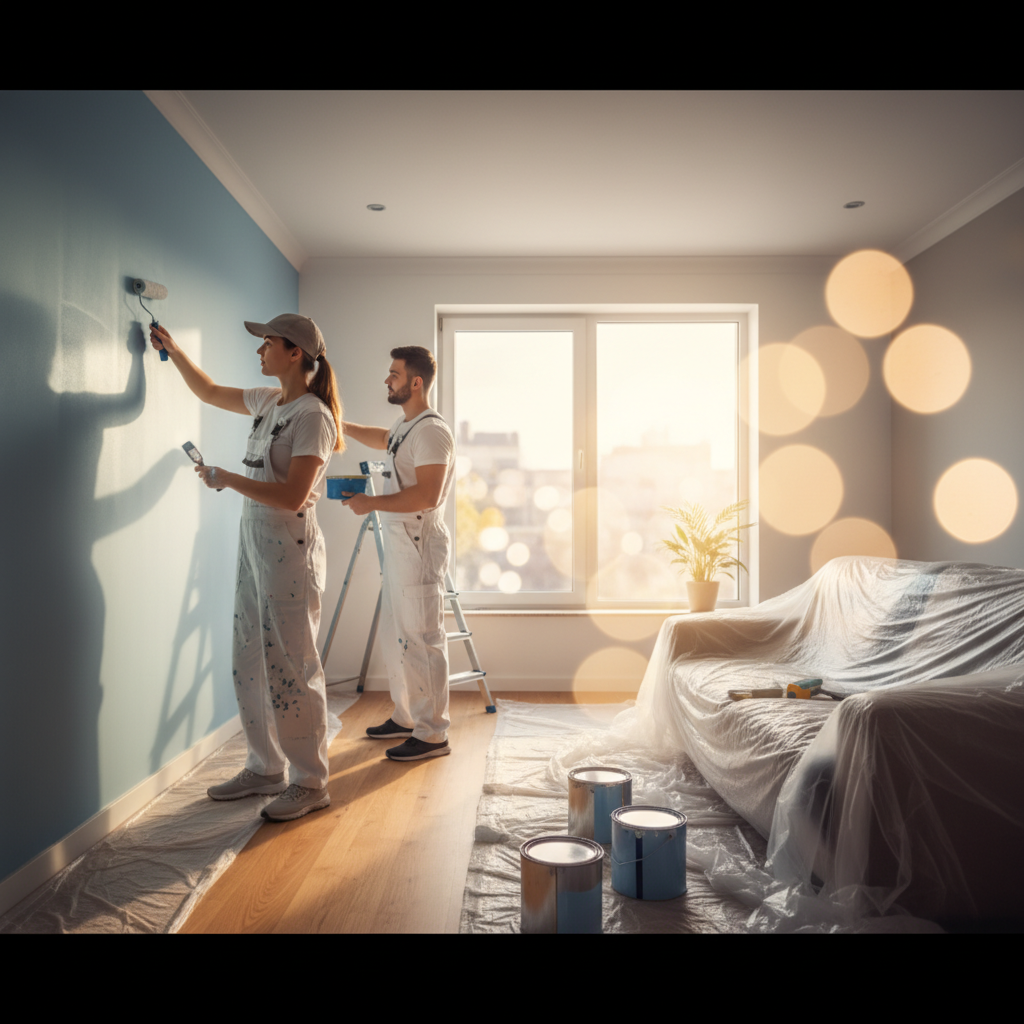
When you finally decide to refresh the walls of your New York City brownstone, the last thing you want is another round of phone tag, a vague “$2,000‑ish” estimate, and a paint job that peels after six months.
Homeowners today are demanding transparency, speed, and guarantees—yet the traditional interior‑painting market still relies on guess‑work and lead‑gen middlemen. In this guide we break down everything you need to know before you pick up that paint roller, and we show how PLMBR’s AI‑native workflow eliminates the old pain points.
What Homeowners Need To Know About Interior Painting
Interior painting is more than a fresh coat of color; it’s a blend of preparation, material science, and skilled labor. Below are the fundamentals you should understand before starting:
- Surface preparation matters – sanding, priming, and repairing imperfections account for 30‑40 % of the total labor time on most jobs. Skipping this step leads to premature peeling (the #1 complaint in the Eliant Year‑End Home Quality Evaluation, where interior‑paint quality scored only 74 %【Eliant】).
- Paint quality influences durability – low‑VOC, low‑emission paints are now mandated by the EPA (< 50 g/L VOC for interior flat finishes) and the EU Green Deal. These formulations often cost 5‑7 % more per gallon but last longer and protect indoor air quality.
- Scope definition prevents “scope creep.” A clear list of rooms, square footage, surface types, and finish (matte, eggshell, semi‑gloss) should be documented before any work begins.
- Milestone billing is the industry’s best practice for larger projects (e.g., whole‑home repaint). It ties payment to completed phases—prep, priming, first coat, second coat, cleanup—reducing financial risk for both parties.
Understanding these basics helps you ask the right questions, compare quotes accurately, and avoid surprise costs down the road.
Cost / Risk / Hiring Reality
| Item | Typical Range (U.S.) | What It Covers | Common Risk |
|---|---|---|---|
| Paint & Materials | $0.50‑$1.20 / sq ft (≈ $1‑$2 k for a 2,000 sq ft home) | Premium low‑VOC paint, primer, tape, drop cloths | Price spikes (2026 interior‑paint price up 5‑7 % YoY) |
| Labor | $1.00‑$2.50 / sq ft (≈ $2‑$5 k for 2,000 sq ft) | Surface prep, two coats, cleanup | Under‑quoted hours → extra charges |
| Travel & Setup | $100‑$300 per job | Mobilizing crew, protecting furnishings | Hidden “travel fee” not disclosed upfront |
| Total Avg. Cost | $3‑$7 k for a full‑interior job on a 2,000 sq ft home | All‑inclusive estimate | Vague “ball‑park” numbers that can swing ± 30 % |
Scroll to see all columns →
Risk factors most homeowners encounter:
- Phone tag and delayed responses – average homeowner spends 6‑8 hours chasing leads on legacy marketplaces.
- Unclear scope – “we’ll paint the walls” often omits ceiling prep, trim, or drywall repair, leading to surprise add‑ons.
- Dead leads – providers pay per lead on platforms like Angi, but many never convert, leaving you with stale contacts.
- Payment uncertainty – upfront deposits with no escrow can expose you to unfinished work or sub‑par finishes.
How To Vet Providers Without Getting Burned
- Check licensing & insurance – Verify state contractor licenses (e.g., NY Department of Consumer Affairs) and that liability insurance is current.
- Look for detailed portfolios – Providers should showcase before/after photos and describe the exact scope for each project.
- Read verified reviews – Focus on comments about timeline adherence, cleanliness, and paint durability rather than just overall star ratings.
- Ask for a line‑item quote – A professional quote breaks down paint, prep, labor, and any optional services. If the provider only gives a single “ball‑park” number, walk away.
- Confirm payment terms – Prefer escrow or milestone‑based billing. Avoid full‑upfront cash payments unless you have a solid contract and warranty.
Pro‑Tip: Ask the painter how they handle VOC compliance and whether they can provide the paint’s Safety Data Sheet (SDS). This signals professionalism and awareness of recent regulatory changes.
Where The Old Workflow Breaks
| Step | Traditional Pain Point | Why It Hurts Homeowners |
|---|---|---|
| 1. Lead Generation | Pay‑per‑lead marketplaces (Angi, Thumbtack) push providers to chase low‑quality leads. | You receive dozens of generic inquiries, many of which never materialize. |
| 2. Intake | Phone calls and manual forms; providers ask repetitive questions. | Endless back‑and‑forth wastes time and can lead to mis‑communication. |
| 3. Quote Creation | Spreadsheet or “ball‑park” estimates with no line items. | You can’t compare apples‑to‑apples; hidden fees appear later. |
| 4. Communication | Separate email, text, or voicemail threads. | Important documents (photos, scope) get lost, making disputes harder. |
| 5. Payment | Upfront cash or unsecured credit‑card hold. | No safety net if the job isn’t completed to spec. |
| 6. Dispute Resolution | Rely on consumer‑protection agencies or small‑claims court. | Lengthy, costly, and often ends with a half‑finished wall. |
Scroll to see all columns →
These friction points keep the interior‑painting market stuck in a legacy lead‑gen, guess‑your‑price model, which is precisely why homeowners are demanding a smarter solution.
How PLMBR Changes This Workflow
PLMBR is not a marketplace; it’s an AI‑native home services workflow and payments platform that rewrites each broken step.
| PLMBR Feature | What It Replaces | Homeowner Benefit |
|---|---|---|
| Conversational AI Intake | Phone tag & manual forms | Describe your issue in plain English (add photos) and the AI instantly identifies the trade, urgency, and location. |
| Semantic Search & Matching | Keyword‑based provider lists | AI‑driven vector matching surfaces the best‑fit painters based on ratings, proximity, and verified compliance. |
| AI Agent Outreach (Premium) | You calling each provider yourself | A single AI agent contacts multiple vetted painters, tracks each reply, and surfaces only the most relevant responses. |
| Booking Packet Builder | Spreadsheet or vague estimate | Generates a structured quote packet with line‑item pricing, material specs, timeline, and terms—all in one view. |
| Compare‑Packets UI | Manually pulling PDFs together | Side‑by‑side comparison of up to three packets lets you see exactly where prices differ (e.g., prep vs. paint). |
| In‑Context Messaging | Separate email/text threads | Chat window embeds the quote packet, photos, billing requests, and dispute forms—everything stays in one thread. |
| Escrow‑Backed Payments (Stripe) | Upfront cash or unsecured hold | Funds are authorized but held until you confirm the job is complete, eliminating payment risk. |
| Progressive Billing | One‑time payment only | Milestone‑based billing ties each payment to a completed phase (prep, first coat, etc.). |
| AI‑Mediated Dispute Resolution | Court or BBB filing | The system automatically assembles evidence (photos, messages, packets) and suggests resolutions, cutting resolution time by up to 70 %. |
| Compliance Management | Manual license tracking | Providers upload insurance, workers‑comp, and license docs; PLMBR tracks expirations and flags non‑compliant pros. |
Scroll to see all columns →
Visual examples (see PLMBR screenshots):
seeker_agent_outreach.png– AI agent reaching out to multiple painters simultaneously.compare_packets.png– Side‑by‑side packet view that makes price differences crystal‑clear.
By moving the entire workflow—intake, matching, quoting, communication, billing, and dispute handling—into one AI‑powered platform, PLMBR eliminates the guesswork that has plagued the interior‑painting market for decades.
Questions To Ask Before Hiring
- Can you provide a line‑item booking packet? Look for separate entries for prep, primer, paint, labor, and cleanup.
- What low‑VOC paint brand will you use and can I see the SDS? Ensures compliance and indoor‑air‑quality safety.
- How do you handle milestone payments? A reputable pro will accept escrow or progressive billing.
- Do you have current liability insurance and a copy of your contractor’s license? Verify via PLMBR’s compliance dashboard.
- What is your warranty on the paint finish? Industry standard is 1‑year for workmanship; ask for written terms.
- How will you protect my furniture and floors? A detailed prep plan should be included in the packet.
If a painter hesitates or cannot answer clearly, consider moving on—transparent professionals thrive on PLMBR’s structured workflow.
Conclusion
The interior‑painting market generates $49 B annually (IBISWorld) yet still operates with outdated lead‑gen tactics, vague estimates, and payment risk. Homeowners are paying the price—averaging $3‑$7 k per job while battling phone tag, unclear scopes, and potential quality issues (only 74 % satisfaction).
PLMBR solves these problems with an AI‑native, end‑to‑end workflow: from conversational intake and semantic matching to structured booking packets, escrow‑backed payments, and AI‑mediated dispute resolution. By centralizing everything in one smart platform, you get the clarity, speed, and confidence that traditional marketplaces simply cannot provide.
Ready to experience a frictionless interior‑painting project?
- Explore the PLMBR homepage.
- Find Interior Painting pros on PLMBR and let the AI match you with vetted painters in your city.
- Compare quotes on PLMBR and choose the packet that fits your budget and timeline.
Take the guesswork out of painting—let AI handle the hustle while you enjoy a fresh, flawless finish.
References
- Eliant Year‑End Home Quality Evaluation, interior‑paint rating 74 % – https://eliant.com/blog/17615/most-builders-are-still-ignoring-interior-paint-complaints/
- IBISWorld – Painters Industry Analysis (2026), U.S. interior‑painting revenue $49 B – https://www.ibisworld.com/united-states/industry/painters/187/
- EPA VOC Standards, interior flat paint < 50 g/L – https://www.epa.gov
- PaintScout – Average Interior Painting Costs, $1.5‑$3.5 / sq ft – https://www.paintscout.com/interior-painting-cost
- This Old House – Paint Preparation Guide – https://www.thisoldhouse.com/painting/21016652/how-to-prepare-walls-for-paint
Stay tuned for more home‑service guides on the PLMBR blog: Read more home service guides.