
The 2026 Homeowner’s Guide to Hiring an Exterior Painter — No Lead Fees, No Phone Tag, No Guesswork
Your house deserves a fresh coat. Your hiring process deserves AI‑powered clarity.
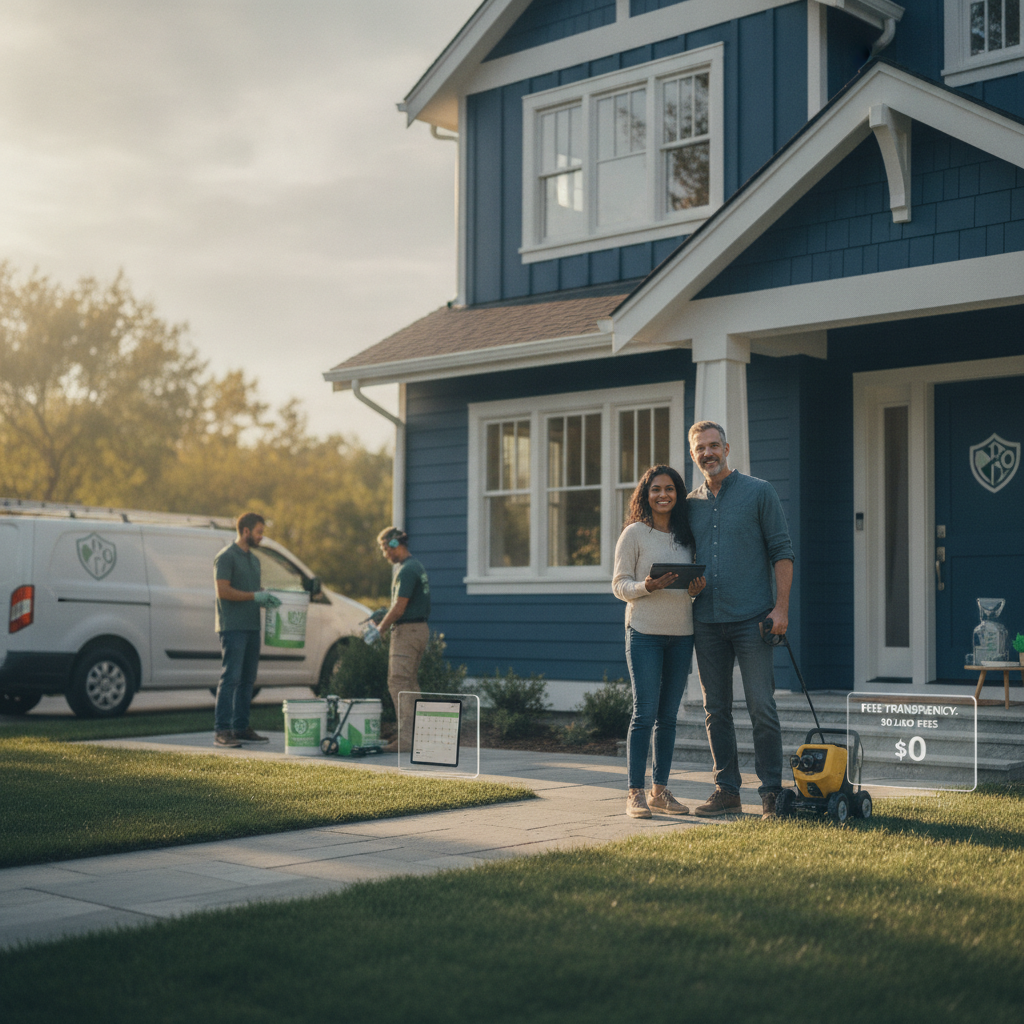
Your house deserves a fresh coat. Your hiring process deserves AI‑powered clarity.
Introduction
When you finally decide to give your home a fresh exterior paint job, the last thing you want is endless phone tag, vague “$2‑$3 k” estimates, and a mysterious $50‑$100 lead fee that disappears into a platform you never see. 97 % of homeowners say the fastest reply wins the job – yet on popular lead‑gen sites like Thumbtack the average lead costs $45 and often never materializes.
That broken chain of paid leads, dead‑end conversations, and payment risk has left both homeowners and painters frustrated for years. In 2026 the market is shifting: AI‑native workflows, escrow‑backed payments, and structured, line‑item quotes are becoming the new standard. This guide walks you through everything you need to know about exterior painting, how to avoid the common pitfalls, and why the PLMBR platform is the fastest, safest way to get a qualified painter on your doorstep—without a single lead‑fee.
What Homeowners Need To Know About Exterior Painting
Exterior painting isn’t just a cosmetic upgrade; it protects your home’s siding, trim, and foundation from weather, UV damage, and moisture intrusion. Understanding the basics helps you evaluate proposals and spot red flags.
1. Core Components of a Paint Job
- Surface Preparation – power washing, scraping, sanding, and priming. Poor prep leads to premature peeling.
- Paint System – choice of primer, topcoat, and finish (e.g., acrylic latex, elastomeric). Higher‑quality paints cost more but last 7‑10 years versus 3‑5 years for cheaper options.
- Milestones – many contractors break the work into stages (prep, first coat, second coat, cleanup). Progressive billing aligns payment with completed work.
2. Seasonal Timing
- Best months: March – August in the Northeast (Boston, NYC, Philadelphia). Temperatures between 50 °F and 85 °F and low humidity give optimal adhesion.
- Off‑season challenges: Paint may not cure properly in winter; crews can be idle, which drives up rates.
3. Typical Project Scope
| Scope Item | Typical Timeframe | What to Expect |
|---|---|---|
| Surface inspection & prep | 1‑2 days | Power wash, scrape loose paint, repair minor cracks. |
| Primer application | 0.5‑1 day | Essential for new wood or patched areas. |
| First coat | 1‑2 days | Even coverage, may need touch‑ups. |
| Second coat & finish | 1‑2 days | Final color, protective seal. |
| Cleanup & walk‑through | < 0.5 day | Removal of debris, final inspection. |
Scroll to see all columns →
Pro tip: Ask for a written schedule that aligns each milestone with a payment request. It prevents surprise bills and keeps the project on track.
Cost / Risk / Hiring Reality
Below is a snapshot of the current market numbers that homeowners encounter when shopping for an exterior paint job in the Northeast.
| Metric | Typical Range | Source |
|---|---|---|
| Average cost per square foot | $1.50 – $4.00 (incl. prep & labor) | HomeAdvisor – Exterior Painting Cost Guide 2026 |
| Total cost for a 2,000 sq ft home | $2,500 – $5,000 | Same as above |
| Lead‑fee per painting lead (Thumbtack) | $10 – $100+ per lead | Thumbtack Lead‑Fee Overview |
| Lead‑fee per painting lead (Angi) | $25 – $35 per lead | Angi Lead‑Fee research |
| Escrow adoption for jobs > $3k | 68 % of contracts now hold funds until completion | National Home Services Survey 2024 |
| Response‑time impact | 97 % of homeowners choose the fastest responder | HousecallPro 2025 Customer Service Report |
Scroll to see all columns →
What These Numbers Mean for You
- Budget predictability: Structured quotes let you compare line‑item pricing instead of a single “ballpark” figure.
- Cash‑flow safety: Escrow‑backed payments mean you only release funds after you verify the work.
- No hidden fees: Traditional lead‑gen platforms siphon money before you even meet a contractor.
How To Vet Providers Without Getting Burned
The right painter combines skill, insurance, and transparent pricing. Follow this checklist to protect yourself:
- Verify Licensing & Insurance
- Look for a current liability insurance certificate and workers‑comp coverage. PLMBR automatically flags expired documents.
- Check References & Reviews
- Ask for at least three recent homeowner references. Verify reviews on independent sites (BBB, Google).
- Confirm Paint Product Quality
- Reputable painters will specify the brand, sheen, and warranty. Avoid “generic” paints that cost less but fade quickly.
- Demand a Structured Quote
- The quote should break down prep, primer, each coat, labor, and cleanup. Anything missing is a red flag.
- Assess Communication Speed
- If a contractor takes more than 24 hours to respond, you’re likely to lose the race for the job.
Expert tip: Use AI‑driven search tools that rank providers by response speed, distance, and verified compliance. It cuts the vetting time from hours to minutes.
Where The Old Workflow Breaks
Traditional home‑service hiring still relies on a fragmented, pay‑per‑lead funnel:
| Step | Typical Pain Point | Why It Fails |
|---|---|---|
| Lead Generation | Homeowner pays $45‑$100 for a “lead” that may never show up. | Contractors waste money on dead leads; homeowners get no guarantee of quality. |
| Phone Tag | Multiple calls, voicemail, missed connections. | 97 % of homeowners say the fastest reply wins. Delays cause frustration and lost jobs. |
| Vague Estimates | “Around $3k” with no line items. | Homeowners can’t compare offers or anticipate hidden costs. |
| Payment Up‑Front | Full payment before work begins. | Risk of non‑completion, disputes, cash‑flow strain for contractors. |
| No Central Hub | Emails, texts, and PDFs scattered across platforms. | Miscommunication leads to scope drift and missed milestones. |
Scroll to see all columns →
These gaps create a trust deficit that costs both sides time and money. The rise of AI‑native platforms is a direct response to this broken model.
How PLMBR Changes This Workflow
PLMBR is an AI‑native home services workflow and payments platform—not a marketplace or lead‑gen site. Here’s how it rewires the entire painting hiring journey:
1. Conversational AI Intake
You start by describing the problem in plain English, attaching photos of the siding, and confirming your zip code. The AI instantly identifies the trade (exterior painting), estimates the square footage, and asks only the follow‑up questions that improve match quality.

2. Semantic Search & Zero‑Lead Matching
Instead of keyword matching, PLMBR uses vector embeddings to surface the best‑fit painters based on location, availability, ratings, and verified compliance—with zero lead fees. Only qualified, vetted contractors see your job.

3. AI Seeker Agent (Premium)
A personal AI agent reaches out to multiple painters simultaneously, tracks each provider’s status, and surfaces replies in a single thread. No more juggling phone calls.

4. Booking Packet Builder
Each painter’s response is transformed into a structured booking packet—line‑item pricing, prep steps, paint brand, milestone dates, and terms. The packets appear side‑by‑side for easy comparison.

5. In‑Context Messaging & Escrow Payments
All communication, packet reviews, and billing requests live inside the same chat window. When you approve a milestone, Stripe holds the funds in escrow and releases them only after you confirm completion.

6. Progressive Billing & Dispute Resolution
Large jobs (e.g., multi‑story homes) split payment across milestones, protecting cash flow for both parties. If a dispute arises, AI‑mediated evidence packs and automated recommendations streamline resolution.

7. Provider Dashboard & Calendar Sync
Painters manage their bookings, sync availability with Google Calendar, and push confirmed jobs to their FSM (ServiceTitan, Jobber, etc.)—keeping crews busy year‑round, even in off‑season months.

Result: Homeowners get fast, transparent quotes and secure payments; painters get qualified jobs only, no lead‑fee drain, and a steady workflow powered by AI.
Questions To Ask Before Hiring
Even with PLMBR’s safeguards, a quick checklist ensures you’re fully comfortable:
- What exact prep work is included? (Power wash, scraping, caulking)
- Which paint brand and warranty are you using?
- Can you provide a line‑item quote and milestone schedule?
- Do you have current liability insurance and workers‑comp? (PLMBR shows expiration dates)
- How do you handle weather delays? (Look for contingency language)
- What is the escrow release process? (Typically upon homeowner sign‑off)
Write down the answers and compare them across the booking packets you receive. The contractor that meets the most criteria—and does so in the clearest, most organized way—wins the job.
Conclusion
Exterior painting should enhance your home’s curb appeal, not add stress to your to‑do list. The old pay‑per‑lead, phone‑tag‑driven model leaves you chasing quotes, fearing hidden fees, and worrying about payment security.
PLMBR replaces that broken chain with an AI‑native workflow: instant, structured quotes; zero‑lead‑fee matching; escrow‑backed, progressive billing; and a single, in‑context chat that keeps everyone on the same page.
Ready to see the difference for yourself?
- Visit the PLMBR homepage to explore the platform.
- Find Exterior Painting pros on PLMBR and start the AI‑driven intake.
- Compare quotes on PLMBR and choose the best‑fit painter with confidence.
Your home deserves a flawless finish, and you deserve a hiring process that’s fast, transparent, and risk‑free. Let AI do the heavy lifting—so you can enjoy the fresh‑painted view.
Further Reading
- HousecallPro – How to Get Leads for a Painting Business – insights on traditional lead funnels.
- BBB Advisory on Lead‑Fee Companies – why many contractors avoid pay‑per‑lead platforms.
- EPA – Lead‑Safe Painting Practices – safety standards for interior/exterior paint jobs.
- This Old House – Exterior Painting Prep Checklist – detailed prep steps to ask your contractor about.
Empower your home improvement journey with AI‑driven clarity. Paint smarter, not harder.