
The Complete 2026 Guide to Hiring a Fencing Professional: Costs, Tips, and What to Expect
You’ve just moved into a new house, or perhaps your backyard has become a magnet for curious neighbors and wandering pets. A well‑designed fence does more…
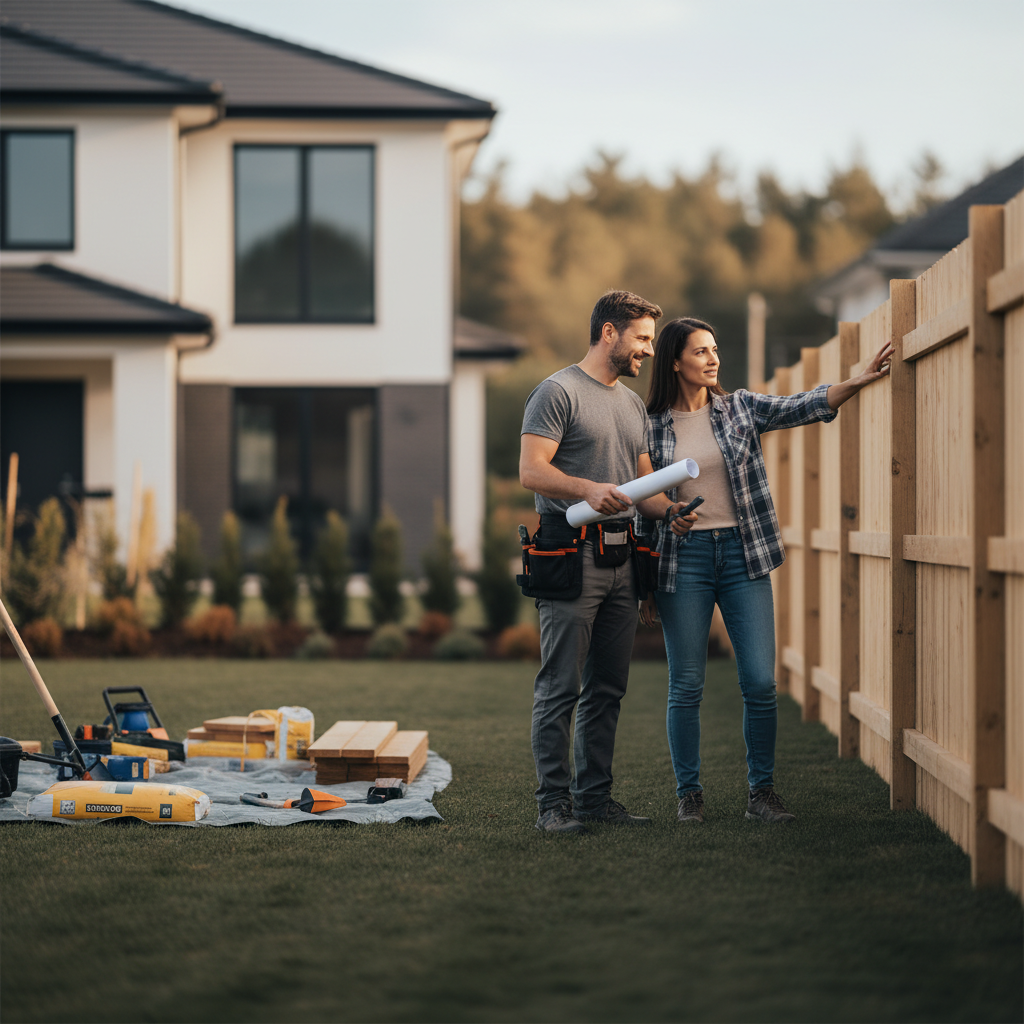
You’ve just moved into a new house, or perhaps your backyard has become a magnet for curious neighbors and wandering pets. A well‑designed fence does more than mark a boundary—it adds privacy, boosts security, and can increase curb‑appeal by up to 7 %. Yet the sheer variety of materials, local regulations, and price volatility can turn a simple project into a maze of decisions. This guide walks you through every stage of hiring a fencing pro, from spotting the warning signs to decoding the final contract, so you can protect your property without the guesswork.
What Does a Fencing Professional Do?
A fencing professional is more than a laborer swinging a hammer; they are project managers, code‑experts, and material consultants rolled into one. Most licensed installers offer a full suite of services, including site assessment, permit acquisition, material sourcing, custom design, and post‑install maintenance. Understanding the scope of each service helps you match the right specialist to your specific needs—whether you’re after a sleek vinyl privacy wall or a smart gate that alerts you to intruders.
| Service Type | Typical Cost* | Duration | Best For |
|---|---|---|---|
| Site Survey & Design | $150‑$400 | 1‑2 days | Accurate planning, avoiding setbacks |
| Permit Procurement | $100‑$300 (city fees extra) | 3‑7 days | Compliance with zoning & ADA rules |
| Standard Fence Installation | $2,000‑$6,500 | 3‑10 days | New builds, full‑yard projects |
| Fence Repair & Reinforcement | $250‑$1,200 | 1‑3 days | Broken posts, rusted rails |
| Smart Fence Integration | $800‑$2,500 | 2‑5 days | Security alerts, automated gates |
| Post‑Install Maintenance | $100‑$350 per visit | Ongoing | Longevity, aesthetic upkeep |
Scroll to see all columns →
*Costs are median U.S. figures for 2024 – 2025; actual prices vary by region and material.
These services often overlap; a reputable contractor will bundle design, permits, and installation into a single, transparent quote.
Signs You Need a Professional
- Visible Damage or Rot – Cracked posts, splintered rails, or rust spots indicate structural failure that DIY fixes rarely resolve.
- Complex Terrain – Slopes, uneven ground, or existing underground utilities require specialized equipment and expertise.
- Permit Requirements – Your city mandates a building permit, setback calculations, or height restrictions that only a licensed installer can navigate.
- Desire for Smart Features – Integrating motion sensors, solar‑powered alerts, or automated gate access exceeds typical homeowner DIY knowledge.
- Time Constraints – A tight deadline (e.g., moving day) means you need a crew that can mobilize quickly and finish on schedule.
- High‑Value Materials – Vinyl, wrought iron, or composite fences demand precise cuts and secure fastening to protect your investment.
- Insurance Concerns – If the project could affect homeowner’s insurance or liability, professional installation ensures compliance and coverage.
Pro‑Tip: Even if you’re comfortable with basic carpentry, a professional can spot hidden issues (like soil erosion) that could undermine a fence’s lifespan by years.
How to Find the Right Fencing Pro
Finding a trustworthy installer starts with research, but the modern homeowner can streamline the process with a few smart steps:
- Check Reviews & References – Look for consistent 4‑star+ ratings on Google, Angi, or the Better Business Bureau. Ask for recent project photos and contactable references.
- Verify Licenses & Insurance – Each state maintains an online licensing database; confirm the contractor’s active status and that they carry general liability and workers’ comp.
- Compare Detailed Quotes – A credible pro will break down labor, material, permit, and disposal costs. Avoid “all‑inclusive” figures that hide hidden fees.
- Assess Expertise in Your Desired Material – Not all installers specialize in bamboo, composite, or smart gate systems. Request a portfolio that matches your vision.
- Look for Sustainability Credentials – If eco‑friendliness matters, ask about low‑VOC finishes, recycled metal, or certifications like the Forest Stewardship Council (FSC).
One streamlined way to meet these criteria is through PLMBR, an AI‑driven marketplace that matches homeowners with vetted fencing professionals, provides side‑by‑side quotes, and tracks every communication thread. By using PLMBR, you can compare verified pros in minutes rather than days of phone calls.
What to Expect: Cost Breakdown
Understanding the financial landscape prevents surprise invoices. Below is a realistic range for the most common fence projects in 2024 – 2025. Prices include labor, materials, and standard disposal; permits and optional upgrades are listed separately.
| Service | Low Estimate* | High Estimate* | Factors That Affect Price |
|---|---|---|---|
| Chain‑link fence (4 ft, 100 ft) | $1,000 | $2,500 | Steel price volatility, gate hardware |
| Wood privacy fence (6 ft, 150 ft) | $2,500 | $5,500 | Wood species, post spacing, staining |
| Vinyl fence (5 ft, 120 ft) | $3,600 | $6,800 | Profile style, color coating, trim |
| Composite fence (6 ft, 100 ft) | $4,200 | $8,000 | Composite blend, warranty length |
| Fence repair (average 50 ft) | $250 | $1,200 | Extent of damage, material match |
| Smart fence system (gate + sensors) | $800 | $2,500 | Sensor type, solar vs. wired power, app integration |
Scroll to see all columns →
*Estimates are based on national averages; local labor rates range from $30‑$70 / hour (see Homewyse).
Key takeaway: Material choice drives the bulk of cost, while labor and permits contribute a smaller, yet essential, portion.
Questions to Ask Before Hiring
- Are you licensed and insured in my state? – Guarantees legal compliance and protects you from liability.
- Can you provide a written, itemized estimate? – Transparency prevents hidden fees later.
- What is your projected timeline, from permits to finish? – Aligns expectations with your schedule.
- Do you handle permit acquisition? – Saves you time and ensures code adherence.
- What warranty do you offer on labor and materials? – Indicates confidence in workmanship.
- How do you manage unexpected site conditions (e.g., rocks, utilities)? – Shows problem‑solving approach.
- Do you source eco‑friendly or recycled materials? – Meets sustainability goals and possible rebates.
- Will you install a smart fence or integrate gate access controls? – Clarifies technology compatibility.
- What is the payment schedule? – Avoids cash‑flow surprises; typical 30 % deposit, 70 % upon completion.
- Can you provide references from recent projects similar to mine? – Validates experience with your fence type.
The Hiring Process: Step by Step
- Define Your Goals – Choose material, height, and any smart features.
- Gather Initial Quotes – Use PLMBR’s quote comparison tool or request at least three detailed estimates.
- Review Credentials – Verify licensing, insurance, and past work.
- Select a Contractor – Base the decision on cost, communication, and demonstrated expertise.
- Sign a Contract – Ensure it includes scope, timeline, payment terms, and warranty clauses.
- Permit Submission – Your contractor files the paperwork; you may need to provide site photos or a survey.
- Pre‑Installation Walk‑Through – Confirm layout, gate placement, and any underground utility markings.
- Installation – Expect daily progress updates; most projects finish within 1‑2 weeks.
- Final Inspection & Punch List – Walk the site with the contractor to verify completion and address any snags.
- Post‑Install Support – Arrange for maintenance visits or warranty service if needed.
Understanding Your Contract
A solid fence contract reads like a roadmap. Look for:
- Scope of Work – Exact fence length, material specs, and any custom features.
- Timeline & Milestones – Start date, estimated completion, and penalties for delays.
- Payment Schedule – Deposit amount, progress payments, and final balance due date.
- Change‑Order Procedure – How additional work (e.g., extra gate) will be quoted and approved.
- Warranty Language – Duration for labor (typically 1‑2 years) and manufacturer’s material guarantee (often 10‑20 years).
If any clause feels vague, ask for clarification before signing; a reputable contractor welcomes transparency.
DIY vs. Professional: When to Call a Pro
While DIY can be rewarding, fencing presents safety, legal, and durability challenges that often outweigh the savings. Use the table below to decide.
| Task | DIY Difficulty | Risk Level | Pro Recommended? |
|---|---|---|---|
| Installing a short chain‑link section (≤ 50 ft) | Low (basic tools) | Low | ✅ Optional |
| Building a wooden privacy fence (≤ 100 ft) | Moderate (cutting, post‑setting) | Medium (uneven ground, permits) | ✅ Strongly advised |
| Vinyl or composite fence installation | High (precise panel alignment) | High (material damage) | ✅ Recommended |
| Smart gate & sensor integration | High (electrical, programming) | High (security breach) | ✅ Essential |
| Repairing a broken post | Low‑Medium (depends on access) | Medium (structural integrity) | ✅ Helpful |
Scroll to see all columns →
Bottom line: If you’re handling a simple, low‑profile fence on flat terrain, DIY may work. For privacy fences, smart systems, or any project requiring permits, a professional is the safer bet.
Common Mistakes to Avoid
- Skipping Permit Research – Leads to fines, forced removal, or resale complications.
- Choosing the Cheapest Quote Only – May hide sub‑par materials, inadequate labor, or lack of warranty.
- Ignoring Soil Conditions – Failing to treat rocky or soggy ground can cause posts to shift or rot.
- Overlooking Maintenance Needs – Some materials (e.g., untreated wood) demand regular staining; neglect shortens lifespan.
- Not Verifying Insurance – Without proper coverage, you could be liable for on‑site injuries.
- Assuming All Fences Are Equal – Privacy, security, and pet containment each demand specific heights and spacing.
- Forgetting to Plan for Gates – Gates need extra clearance, hardware, and sometimes electrical work; they’re often an after‑thought that delays projects.
Conclusion
A fence is a long‑term investment that protects, beautifies, and adds value to your home. By recognizing the signs that professional help is needed, vetting contractors rigorously, and understanding the detailed cost structure, you can avoid costly missteps and enjoy a seamless installation. When you’re ready to turn your backyard vision into reality, start by exploring vetted specialists on PLMBR—the platform that delivers transparent quotes, verified credentials, and a hassle‑free hiring experience.
Ready to secure your property? Find the right fencing pros, compare detailed quotes, and schedule your project today with PLMBR’s fencing service.
External Resources
- U.S. Environmental Protection Agency (EPA) – Sustainable Materials Guidance
- Occupational Safety and Health Administration (OSHA) – Construction Safety Standards
- National Association of the Remodeling Industry (NARI) – Best Practices for Residential Fencing
- Homewyse – Fence Installation Cost Calculator
Explore More
- Discover how to compare quotes on PLMBR for any home service.
- Browse other expert guides in our home service blog.