
The Complete 2026 Guide to Hiring a Trusted Locksmith Pro
Introduction You’re standing on your front step, keyless entry flashing “locked,” or perhaps a car door refuses to budge while the rain starts to fall.…
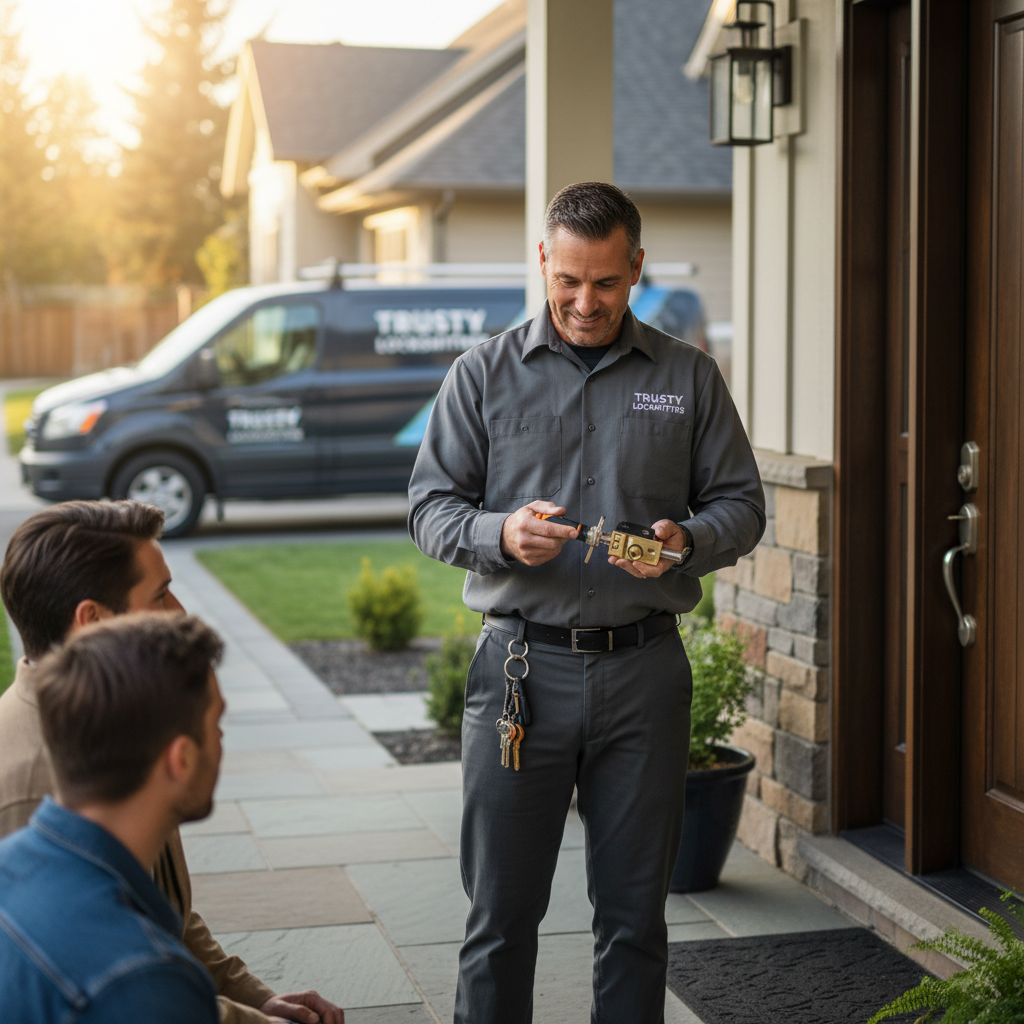
Introduction
You’re standing on your front step, keyless entry flashing “locked,” or perhaps a car door refuses to budge while the rain starts to fall. According to recent industry data, more than 1.2 million Americans type “locksmith near me” into Google every month, a clear sign that lock‑related emergencies are a daily reality. Whether you need a quick lockout rescue, a smart‑lock upgrade, or a full security overhaul, choosing the right professional can save you time, money, and a lot of stress. This guide walks you through everything a homeowner should know before hiring a locksmith in 2026.
What Does a Locksmith Professional Do?
Locksmiths are far more than “key‑cutters.” Modern professionals offer a spectrum of services that span traditional mechanical work, advanced electronic access, and even compliance consulting for regulated industries. Below is a snapshot of the most common service categories you’ll encounter, together with typical cost ranges, average job durations, and the situations they solve best.
| Service Type | Typical Cost* | Duration | Best For |
|---|---|---|---|
| Residential lockout | $65 – $200 | 15‑45 min | You’re locked out of your home, day or night |
| Vehicle lockout | $50 – $300 | 10‑30 min | Cars, trucks, motorcycles, or RVs |
| Lock rekey (single lock) | $80 – $150 (labor) + $30‑$60 kit | 30‑60 min | Lost keys or moving into a new home |
| Deadbolt replacement | $50 – $200 (labor) + $20‑$50 hardware | 30‑90 min | Upgrading security or fixing a broken lock |
| Smart‑lock installation | $150 – $500 (hardware) + $30‑$100 programming | 45‑120 min | Home automation, keyless entry, or Airbnb rentals |
| High‑security lock upgrade | $200 – $800 (hardware) + $50‑$150 labor | 60‑180 min | Commercial properties, high‑value assets |
| Key duplication (standard) | $5 – $20 | 5‑10 min | Spare keys for family members |
| Transponder key/fob programming | $100 – $400 | 20‑45 min | Modern vehicles with electronic immobilizers |
Scroll to see all columns →
*All figures are U.S. averages drawn from Angi, HomeAdvisor, Thumbtack, and industry surveys; actual prices vary by region, urgency, and lock type.
Signs You Need a Professional
- Locked out of your home or vehicle – Even if you have a spare, the clock is ticking and safety may be compromised.
- Visible damage to the lock cylinder – Stripped pins, broken keys, or rust indicate a deeper mechanical issue.
- Repeated lock‑picking attempts – Unexplained scratches or tamper marks suggest a possible break‑in.
- Outdated lock technology – If your deadbolt is a 20‑year‑old model, it likely lacks modern anti‑drill or anti‑pick features.
- Multiple users need access – Rental properties, Airbnb, or shared living spaces benefit from smart‑lock or keypad solutions.
- Compliance requirements – Healthcare, finance, or government facilities may need certified high‑security locks to meet state licensing rules.
- Frequent lock‑out incidents – Repeated lock failures often point to underlying wear that only a pro can properly address.
How to Find the Right Locksmith Pro
Finding a trustworthy locksmith is a mix of digital research and on‑the‑ground verification. Follow these steps to avoid scams and secure quality service:
- Check reviews on multiple platforms – Look for consistent 4‑star+ ratings on Google, Yelp, and the Better Business Bureau.
- Verify state licensing – At least 15 states now require locksmiths to hold a valid license; most reputable pros display their certification badge on their website.
- Ask for a written estimate – Transparent pricing should break down labor, hardware, and any after‑hours surcharge.
- Confirm insurance coverage – A bonded and insured locksmith protects you from accidental damage or theft during the job.
- Get multiple quotes – Comparing at least three providers helps you spot outliers and negotiate fair rates.
Pro‑Tip: Use PLMBR’s platform to instantly compare verified locksmiths, view structured quotes, and read vetted customer feedback—all in one place.
What to Expect: Cost Breakdown
Below is a detailed cost matrix that captures the low and high ends of the most requested services, plus the key variables that can shift the final bill.
| Service | Low Estimate | High Estimate | Factors That Affect Price |
|---|---|---|---|
| Home lockout (standard) | $65 | $200 | Time of day, travel distance, lock type |
| Vehicle lockout | $50 | $300 | Car make/model, need for key replacement |
| Rekey a single lock | $80 | $150 | Number of cylinders, lock brand |
| Deadbolt replacement (standard) | $50 | $200 | Hardware cost, wall reinforcement |
| Smart‑lock install (e.g., August, Yale) | $150 | $500 | Lock brand, integration with home hub |
| High‑security lock upgrade (commercial) | $200 | $800 | Grade of lock, required certifications |
| After‑hours emergency surcharge | +$50 | +$250 | Weekend/holiday, distance from service base |
Scroll to see all columns →
Questions to Ask Before Hiring
- Are you licensed and insured in my state? – Guarantees compliance with local regulations and protects you from liability.
- What certifications do you hold (e.g., Certified Professional Locksmith, CPLC)? – Indicates advanced training and industry standards.
- Can you provide a written, itemized estimate before starting work? – Prevents surprise fees and clarifies labor vs. parts.
- Do you offer a warranty on parts and workmanship? – Shows confidence in the quality of the installation.
- What is your typical response time for emergencies? – Critical for lockouts occurring after hours.
- Do you use OEM (original equipment manufacturer) hardware or aftermarket parts? – OEM parts often provide better durability and compatibility.
- Will you program or pair smart locks with existing home automation systems? – Essential for seamless integration.
- How do you handle disposal of old locks or hardware? – Reflects eco‑friendly practices that many homeowners now expect.
- Can you provide references from recent residential or commercial projects? – Real‑world feedback validates reliability.
- What payment methods do you accept, and are there any financing options? – Helpful for larger security upgrades.
The Hiring Process: Step by Step
- Identify the need – Whether it’s a lockout, rekey, or smart‑lock upgrade, clarify the scope.
- Gather quotes – Use online directories or platforms like PLMBR to collect at least three detailed estimates.
- Verify credentials – Cross‑check licensing with state boards and confirm insurance coverage.
- Schedule the service – Agree on a date, time, and expected arrival window; confirm any after‑hours fees.
- Sign the contract – Review the service agreement (see next subsection).
- Service execution – The locksmith arrives, performs a walkthrough, and begins work while keeping you informed.
- Final walkthrough & sign‑off – Ensure all tasks are completed to satisfaction; request documentation of warranties and receipts.
- Post‑service follow‑up – Many pros offer a brief call or email to confirm everything functions correctly.
Understanding Your Contract
- Scope of Work: Must list each service, hardware, and any optional upgrades.
- Pricing Structure: Should separate labor rates, material costs, and any surcharge clauses.
- Warranty Terms: Look for at least a 90‑day labor guarantee and manufacturer warranties on hardware.
- Cancellation Policy: Note any fees for rescheduling or cancelling within 24‑48 hours.
- Liability Clause: Verify that the locksmith’s insurance covers damage to doors, frames, or property.
DIY vs. Professional: When to Call a Pro
| Task | DIY Difficulty | Risk Level | Pro Recommended? |
|---|---|---|---|
| Replace a standard deadbolt | Low (basic screwdriver) | Low‑to‑moderate (improper alignment can weaken security) | Yes for optimal fit |
| Rekey a single cylinder lock | Moderate (requires key‑bitting tools) | Moderate (mistakes can render lock unusable) | Yes for guaranteed reliability |
| Install a smart‑lock | Moderate‑high (needs Wi‑Fi pairing, firmware updates) | High (security vulnerabilities if mis‑configured) | Strongly Yes |
| Cut a duplicate house key | Low (key‑cutting machine) | Low (inexpensive) | Optional |
| Bypass a jammed lock with force | High (requires torque tools) | Very High (door damage, liability) | Always Yes |
Scroll to see all columns →
Common Mistakes to Avoid
- Accepting the first low‑ball quote – It may hide hidden fees or sub‑par hardware.
- Skipping license verification – Unlicensed operators can’t be held accountable for mistakes.
- DIY rekey on high‑security locks – Modern cylinders require specialized tools and knowledge.
- Ignoring warranty details – Without a written guarantee, you may pay again for a failed lock.
- Choosing the cheapest hardware – Low‑cost locks often lack anti‑pick or anti‑drill features, compromising safety.
- Overlooking insurance – If a locksmith damages your door, uninsured pros could leave you footing the bill.
- Failing to ask about after‑hours rates – Emergency surcharges can double the base cost.
Conclusion
Lock‑related issues can strike at any hour, but armed with the right knowledge you’ll be prepared to choose a qualified, transparent, and trustworthy locksmith. Remember to verify licensing, compare detailed quotes, and understand the full cost structure before any work begins. For a hassle‑free experience, try Find Locksmith pros on PLMBR, where each provider is pre‑screened, insured, and ready to deliver structured pricing.
Ready to secure your home with confidence? Compare quotes on PLMBR today and explore more expert guides at Read more home service guides. Your peace of mind is just a click away.
References
- Bureau of Labor Statistics – Locksmiths and Safe Repairers – Official wage, employment, and industry‑size data.
- OSHA – Lockout/Tagout Standard – Safety regulations relevant to commercial lock work.
- Better Business Bureau – Locksmith Scams: What to Know – Consumer‑protection guidelines.
- National Association of the Remodeling Industry (NARI) – Industry standards and certification information for high‑security installations.