
The Complete Guide to Hiring a Drain Cleaning & Sewer Pro in 2026
Introduction You hear the faint gurgle behind your kitchen sink, or a slow‑draining bathtub that refuses to empty. According to the U.S. Drain‑Cleaning…
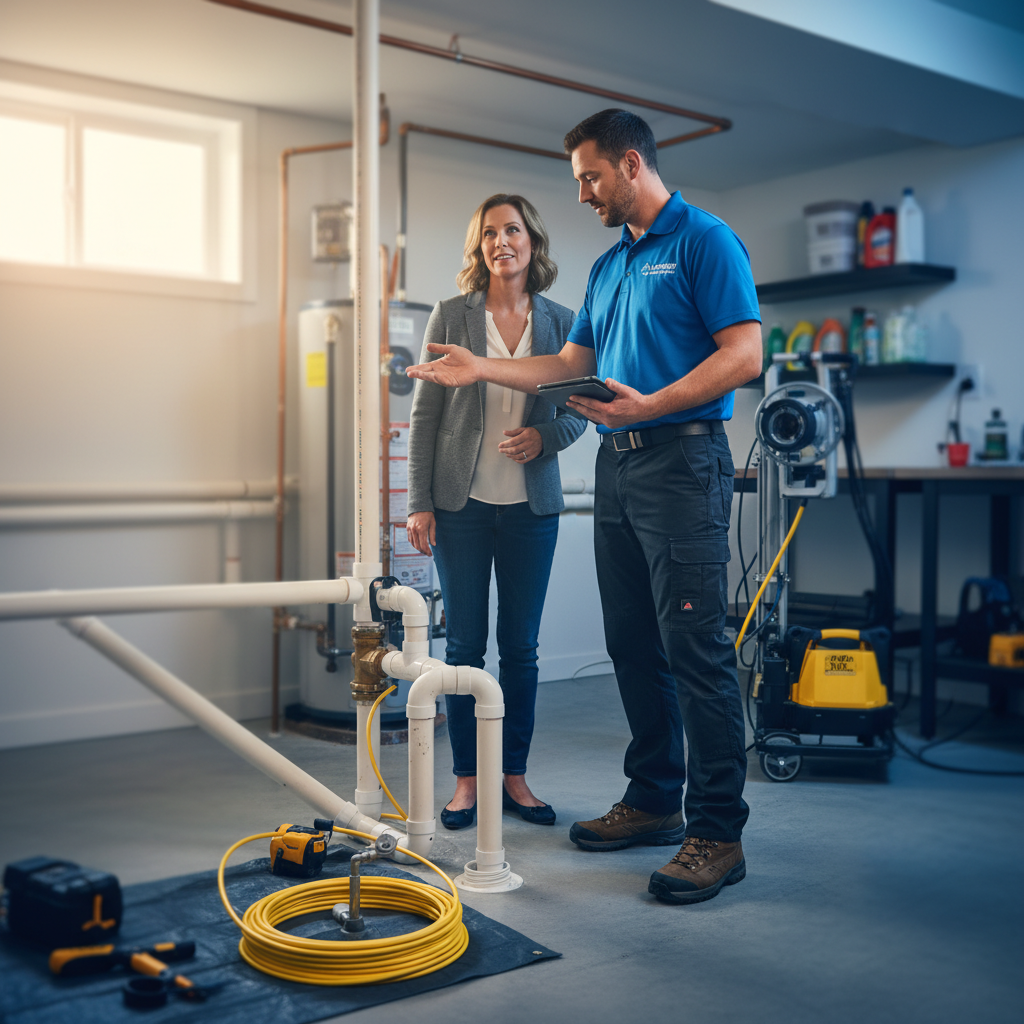
Introduction
You hear the faint gurgle behind your kitchen sink, or a slow‑draining bathtub that refuses to empty. According to the U.S. Drain‑Cleaning Services Market, homeowners spend an average $242 each year on professional cleanings—yet many still wait for a disaster before calling a plumber. In a nation where 58 % of all drain‑cleaning demand comes from residential properties, knowing how to spot problems, evaluate costs, and choose a qualified professional can save you time, money, and a nasty sewer backup. This guide walks you through every step, from warning signs to contract language, and shows how the AI‑powered platform PLMBR makes hiring the right pro easier than ever.
What Does a Drain Cleaning & Sewer Professional Do?
Drain‑cleaning and sewer specialists—often licensed plumbers, sewer‑service technicians, or septic‑system specialists—handle everything that moves water out of your home and into the municipal system or a private septic field. Their core services include:
| Service Type | Typical Cost* | Duration | Best For |
|---|---|---|---|
| Basic Drain Snaking | $100‑$250 | 30‑60 min | Minor kitchen or bathroom clogs |
| Motorized Auger (Power Snake) | $200‑$350 | 45‑90 min | Stubborn hair or grease blockages in 2‑in. pipes |
| Hydro‑Jetting (main line) | $300‑$600 | 1‑2 hrs | Built‑up mineral, tree‑root intrusion, or old pipe buildup |
| Video Camera Pipe Inspection | $150‑$400 | 45‑90 min | Locating hidden leaks, verifying sewer line condition |
| Septic Tank Pump‑Out | $250‑$500 | 1‑2 hrs | Routine maintenance (annual‑to‑biennial) |
| Emergency After‑Hours Call | $150‑$500+ | Immediate | Sudden backups, flooding, or sewer line collapse |
Scroll to see all columns →
*Costs reflect 2025‑2026 U.S. residential averages from HomeAdvisor and industry guides.
Beyond cleaning, pros can repair cracked sewer lines, replace aging pipe sections, install backflow preventers, and provide preventive maintenance plans that keep your home flowing smoothly year‑round.
Signs You Need a Professional
- Slow‑draining fixtures – water takes more than a minute to disappear from sinks, tubs, or showers.
- Gurgling noises – bubbling sounds in drains often signal air trapped by a blockage deeper in the line.
- Foul odors – a persistent sewer smell near drains or in the yard points to a compromised pipe or septic system.
- Water backs up – when flushing the toilet sends water up into the tub or vice‑versa, the main line is likely obstructed.
- Wet spots in the yard – soggy patches, especially near the foundation, can indicate a leaking sewer line.
- Recurring clogs – if the same sink clogs repeatedly despite DIY attempts, there’s probably a deeper issue.
- Unexplained high water bills – hidden leaks in sewer lines can waste water and increase utility costs.
If you notice any of these, call a certified professional before the problem escalates into a health hazard or expensive repair.
How to Find the Right Drain Cleaning & Sewer Pro
- Verify Licensing and Insurance – In every state, plumbers must hold a current license (e.g., State Plumbing Board). Confirm insurance coverage for property damage and worker injury.
- Read Verified Reviews – Look for recent, detailed feedback on platforms that verify reviewer identity (Google, Yelp, BBB).
- Check Specialized Certifications – Certifications like ASPE’s Certified Plumbing Design Technician or NASSCO’s Certified Sewer Service Technician signal advanced training.
- Request Multiple Structured Quotes – Comparing line‑item pricing helps you see where labor, materials, and diagnostics differ. Compare quotes on PLMBR for transparent, AI‑generated estimates.
- Ask About Diagnostic Tools – A reputable pro should use video camera pipe inspections and, when appropriate, hydro‑jetting to ensure a thorough clean.
- Confirm Local Knowledge – Sewer line depth, municipal permits, and regional soil conditions vary. A local company will be familiar with city‑specific regulations.
Pro tip: Use Find Drain Cleaning & Sewer pros on PLMBR to browse vetted contractors, view their certifications, and read AI‑summarized customer satisfaction scores—all in one place.
What to Expect: Cost Breakdown
Understanding where your money goes demystifies the process and protects you from hidden fees. Below is a realistic price range for common residential services in 2026:
| Service | Low Estimate | High Estimate | Factors That Affect Price |
|---|---|---|---|
| Basic Drain Snaking | $100 | $250 | Pipe diameter, access difficulty, location (basement vs. crawlspace) |
| Motorized Auger | $200 | $350 | Length of pipe, severity of blockage, travel time |
| Hydro‑Jetting (main line) | $300 | $600 | Pressure level (10,000–15,000 psi), pipe material, length of line |
| Video Camera Inspection | $150 | $400 | Camera quality (HD vs. 4K), reporting format, number of access points |
| Sewer Line Repair (spot‑patch) | $1,300 | $3,500 | Depth of line, material (PVC vs. cast‑iron), need for excavation |
| Full Sewer Line Replacement | $4,500 | $9,000+ | Trenchless technology vs. traditional dig, length, permits |
| Septic Tank Pump‑Out | $250 | $500 | Tank size, accessibility, local disposal fees |
| Emergency After‑Hours Call | $150 | $500+ | Time of day, travel distance, urgency level |
Scroll to see all columns →
All figures are U.S. residential averages for 2025‑2026. Prices can fluctuate with regional labor rates, material costs, and the complexity of the job.
Questions to Ask Before Hiring
- Are you licensed and insured in my state? – Guarantees compliance with local codes and protects you from liability.
- Do you provide a written, itemized estimate? – Prevents surprise charges and clarifies labor vs. material costs.
- What diagnostic methods will you use? – Camera inspections or hydro‑jetting indicate a thorough approach.
- Can you share references from recent similar jobs? – Real‑world performance matters more than marketing copy.
- Do you offer a warranty on workmanship? – A 1‑year guarantee on repairs shows confidence in quality.
- How do you handle unexpected complications? – Look for a clear protocol and pre‑approved contingency pricing.
- What is your cleanup policy? – Professional crews should leave the site as clean as they found it.
- Will you obtain any required permits? – Sewer line work often needs municipal approval.
- Do you use eco‑friendly cleaning solutions? – Aligns with EPA recommendations for reduced chemical discharge.
- How do you schedule preventive maintenance? – Regular inspections can extend pipe life and reduce emergency calls.
The Hiring Process: Step by Step
- Identify the Issue – Observe symptoms and, if possible, take photos or videos.
- Gather Quotes – Use PLMBR to request structured, comparable quotes from at least three vetted pros.
- Compare Estimates – Look beyond price: evaluate scope, warranty, timeline, and diagnostic tools.
- Check Credentials – Verify licenses on state board sites and confirm insurance certificates.
- Schedule the Service – Agree on a date, confirm access points (basement, crawlspace), and discuss any preparation needed on your end.
- Review the Contract – See the subsection below.
- Service Execution – Technician arrives, performs diagnostics, shares findings, and obtains your approval before any extra work.
- Final Walk‑Through – Ensure the job is complete, ask for documentation (inspection video, warranty paperwork).
- Payment & Follow‑Up – Pay per the agreed schedule, keep receipts for tax or insurance purposes, and schedule future preventive maintenance.
Understanding Your Contract
- Scope of Work: Detailed description of services, including number of snaking passes, pressure levels for hydro‑jetting, and any repair work.
- Pricing Structure: Fixed price vs. time‑and‑materials; ensure any “additional fees” are listed (e.g., travel, disposal).
- Warranty Terms: Length of coverage for labor and parts; what constitutes a claim (e.g., re‑clog within 30 days).
- Permits & Inspections: Who is responsible for obtaining city permits and scheduling post‑repair inspections.
- Cancellation Policy: Notice period and any fees for rescheduling.
Expert Tip: Always ask for a copy of the contractor’s bond and liability insurance before signing. This protects you if the work damages your property or the contractor fails to complete the job.
DIY vs. Professional: When to Call a Pro
| Task | DIY Difficulty | Risk Level | Pro Recommended? |
|---|---|---|---|
| Clearing a kitchen sink with a plunger | Low | Minimal | No (if simple) |
| Using a hand auger on a bathroom drain | Medium | Moderate (possible pipe damage) | Yes, if you lack experience |
| Hydro‑jetting a main sewer line | High (requires specialized equipment) | High (water pressure can burst pipes) | Yes |
| Video camera pipe inspection | High (expensive equipment) | Low (if done incorrectly, may miss issues) | Yes |
| Septic tank pump‑out | Medium (requires heavy lifting) | Moderate (hazardous gases) | Yes |
| Emergency sewer line collapse | High (requires excavation) | Very High (property damage) | Yes |
Scroll to see all columns →
While minor clogs can often be tackled with a plunger or hand auger, hydro‑jetting, camera inspections, and sewer‑line repairs demand professional tools and expertise. Attempting these yourself can lead to costly pipe damage or health hazards.
Common Mistakes to Avoid
- Skipping the camera inspection – Assuming the blockage is in the visible pipe can waste time and money.
- Choosing the cheapest bid without vetting – Low price often means lower-quality equipment or unlicensed workers.
- Ignoring local code requirements – Unpermitted work can result in fines or future resale issues.
- Using chemical drain cleaners repeatedly – They corrode pipes and may create larger blockages.
- Delaying preventive maintenance – Waiting for an emergency increases the chance of major sewer line replacement.
- Not clarifying the warranty – Some contractors offer a “no‑questions‑asked” guarantee, while others have hidden exclusions.
- Failing to protect the work area – Water and debris can damage flooring and belongings if not properly contained.
Conclusion
A healthy home plumbing system isn’t a luxury—it’s a foundation for safety, hygiene, and peace of mind. By recognizing early warning signs, understanding the full scope of services, and following a transparent hiring process, you can avoid the costly cascade of a sewer backup. Use the cost tables and question checklist above to empower yourself, and let PLMBR streamline the search for vetted, locally‑licensed professionals who provide clear, AI‑generated quotes and reliable service.
Ready to keep your drains flowing smoothly? Find Drain Cleaning & Sewer pros on PLMBR today and take the first step toward hassle‑free home maintenance.
References
- EPA – Septic Systems – Federal guidelines on inspection frequency and environmental best practices.
- American Society of Plumbing Engineers (ASPE) – Industry standards for pipe sizing, cleaning frequencies, and technician certification.
- National Association of Sewer Service Companies (NASSCO) – Market data, safety protocols, and regulatory updates for sewer‑service contractors.
- CDC – Water‑borne Disease Prevention – Health risks associated with sewer backups and the importance of regular maintenance.
(All statistics reflect U.S. data as of early 2026.)