
The Complete Guide to Hiring a Drywall Pro in 2026
Homeowners often underestimate how much a smooth, crack‑free wall can boost both comfort and resale value. In 2026, a single misplaced nail or a poorly…
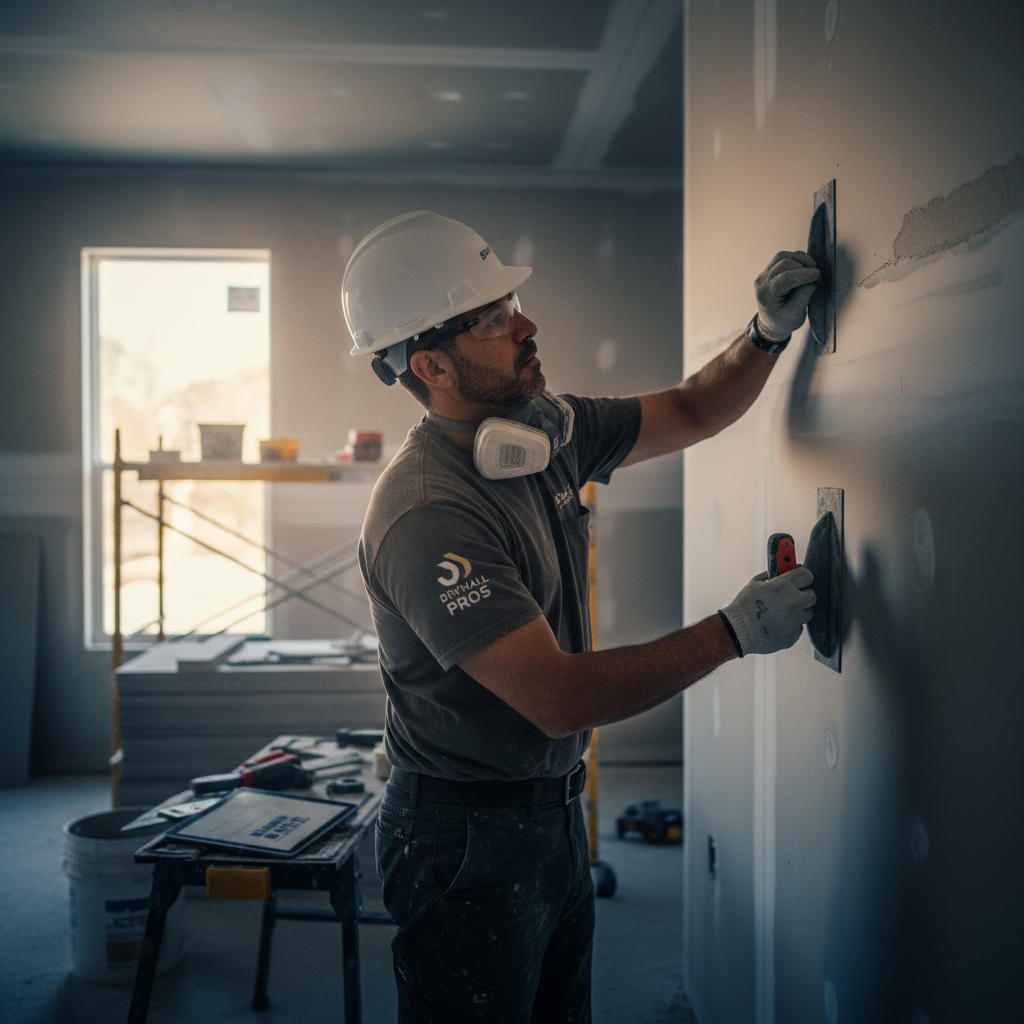
Homeowners often underestimate how much a smooth, crack‑free wall can boost both comfort and resale value. In 2026, a single misplaced nail or a poorly finished joint can cost you hundreds in repairs, higher energy bills, and even lower buyer offers. This guide walks you through everything you need to know— from spotting the warning signs to budgeting, vetting contractors, and deciding when DIY makes sense— so you can protect your home and your wallet.
What Does a Drywall Professional Do?
A drywall professional—sometimes called a drywall installer, finisher, or “taper”—does more than just hang sheets of gypsum board. Modern pros handle a full suite of services that ensure the walls are structurally sound, code‑compliant, and ready for paint or texture. Below is a quick snapshot of the most common service types you’ll encounter.
| Service Type | Typical Cost* | Duration (per 1,000 sq ft) | Best For |
|---|---|---|---|
| Drywall Installation | $0.80 – $1.30 / sq ft (materials + hang) | 1‑2 days | New construction, major remodels |
| Taping & Mudding | $0.50 – $0.80 / sq ft | 2‑3 days | Finish work after installation |
| Texture Application | $0.30 – $0.70 / sq ft | 1‑2 days | Decorative finishes, “popcorn” or knock‑down |
| Repair of Small Holes/Dents | $75 – $150 per job | 1‑3 hours | Nail pops, light‑bulb holes |
| Full‑Wall Repair (≥10 sq ft) | $150 – $350 | 4‑8 hours | Water damage, large cracks |
| Specialty Boards (Moisture‑Resist, Fire‑Resist, Green Board) | $1.20 – $2.00 / sq ft | Same as standard | Bathrooms, basements, multi‑family units |
Scroll to see all columns →
*Costs reflect 2026 national averages; local premiums (e.g., NYC) can add 20‑35 %.
Why it matters: Knowing the scope of work helps you compare quotes on an apples‑to‑apples basis, preventing surprise add‑ons later.
Signs You Need a Professional
- Cracks that keep widening – A hairline crack that spreads a few inches each month signals structural movement that only a pro can assess.
- Visible nail pops – When the head of a drywall screw lifts out of the surface, it often leads to larger cracks if not re‑secured.
- Water stains or mold – Moisture‑resistant or cement board is required in basements and bathrooms; DIY fixes rarely address the underlying cause.
- Uneven or lumpy texture – DIY mudding can leave ridges that show up under paint, especially on large walls.
- Fire‑rating concerns – If you’re renovating a garage, rental unit, or multi‑family building, code may demand Type X or abuse‑resistant board.
- Time constraints – Professional crews can finish a 1,000 sq ft wall in 4‑6 days, versus weeks of weekend DIY.
- Safety worries – Handling heavy sheets, power tools, and dust without proper PPE can pose health risks; OSHA standards (see below) require trained personnel.
Pro‑Tip: Even a single missed screw can compromise a wall’s fire‑rating. Always ask your contractor to show you a fastener‑spacing report before they start.
How to Find the Right Drywall Pro
- Start with verified platforms – Use services like Find Drywall pros on PLMBR where contractors are pre‑screened for licensing and insurance.
- Read reviews on multiple sites – Check Google, Yelp, and the Better Business Bureau (BBB). Look for patterns (e.g., consistent praise for clean work, or repeated complaints about hidden fees).
- Verify state licenses – Most states require a contractor’s license for drywall work; you can confirm it on your state’s licensing board website (e.g., California Contractors State License Board).
- Ask for at least three detailed quotes – A legitimate quote breaks down labor, materials, disposal, and any specialty board costs. Compare them side‑by‑side on Compare quotes on PLMBR.
- Check certifications – Look for GREENGUARD or UL‑certified products if you care about low‑VOC, sustainable drywall.
- Confirm insurance and workers’ comp – This protects you from liability if an injury occurs on your property.
When you’ve narrowed the list, request references and ask to see a recent project similar to yours. A trustworthy pro will gladly share photos and contact info for past clients.
What to Expect: Cost Breakdown
Below is a realistic price spectrum for the most common drywall services in 2026. All figures are national averages; regional premiums (e.g., metro areas) will be higher.
| Service | Low Estimate* | High Estimate* | Factors That Affect Price |
|---|---|---|---|
| Full wall installation (1,000 sq ft) | $800 | $1,300 | Labor rates, material grade, waste factor |
| Taping & 2‑coat mudding | $500 | $800 | Number of corners, ceiling height, finish level |
| Moisture‑resist board (green board) – 500 sq ft | $600 | $1,000 | Specialty material cost, additional fasteners |
| Fire‑rated Type X board – 500 sq ft | $750 | $1,200 | Code requirements, thicker panels |
| Texture (knock‑down, orange peel, etc.) | $300 | $700 | Texture type, equipment rental |
| Small hole repair (≤5 sq ft) | $75 | $150 | Accessibility, finish matching |
| Large wall repair (≥10 sq ft) | $150 | $350 | Extent of damage, need for replacement board |
Scroll to see all columns →
*Estimates include labor, basic materials, and disposal; they exclude painting, ceiling work, or major demolition.
Key takeaway: Budget $2.00 – $3.50 / sq ft for a complete finish (install + mud + texture), which aligns with the latest ConstructEM data.
Questions to Ask Before Hiring
- Are you licensed and insured in my state? – Guarantees compliance with local building codes and protects you from liability.
- What is your experience with the specific board type I need (e.g., green board, Type X)? – Specialty boards require different handling and fastening.
- Can you provide a written, itemized estimate? – Prevents surprise costs and lets you compare apples‑to‑apples.
- What is your projected timeline for this project? – Helps you plan around moving, painting, or furniture placement.
- How do you handle waste disposal and site cleanup? – A clean job reduces the risk of dust exposure and secondary damage.
- Do you offer a warranty on workmanship? – Look for at least a 1‑year guarantee for cracks and finish defects.
- Will you obtain any required permits? – Many jurisdictions (especially for fire‑rated installations) require a permit before work begins.
- What safety measures do you follow (dust control, PPE)? – OSHA (see OSHA Drywall Standards) mandates respirators and proper ventilation.
- Can you provide references from recent projects? – Direct feedback from past clients is the most reliable performance indicator.
- How do you schedule payments? – Typical terms are a 10‑15 % deposit, 40 % mid‑project, and the remainder upon final walkthrough.
The Hiring Process: Step by Step
- Define Your Scope – List the rooms, square footage, and any specialty requirements (moisture‑resist, fire‑rating, texture).
- Gather Quotes – Use PLMBR’s quote comparison tool to collect at least three detailed proposals.
- Vet Contractors – Verify licensing, insurance, and certifications. Call references and view past work.
- Review & Negotiate – Compare line‑item costs, ask for clarification on any ambiguous fees, and negotiate a fair schedule.
- Sign a Contract – Ensure it includes scope, timeline, payment milestones, warranty details, and a clause for change orders.
- Permit Acquisition – Your contractor should pull permits from the local building department; you can verify status online.
- Project Execution – Expect daily briefings, a clean worksite, and adherence to the agreed timeline.
- Final Walkthrough – Inspect the finished walls for smoothness, proper texture, and absence of cracks.
- Closeout & Payment – Release the final payment only after you sign off on the punch list.
Understanding Your Contract
A solid contract separates a professional from an amateur. Look for:
- Scope of Work – Exact rooms, board types, finish level (e.g., Level 4).
- Payment Schedule – Milestones tied to completed phases, not dates.
- Change Order Procedure – Written approval required for any extra work.
- Warranty Clause – Minimum one‑year workmanship guarantee, plus manufacturer warranties on specialty boards.
- Termination Rights – Conditions under which either party can end the agreement without penalty.
DIY vs. Professional: When to Call a Pro
| Task | DIY Difficulty | Risk Level | Pro Recommended? |
|---|---|---|---|
| Small nail‑pop repair (≤2 in) | Easy (basic tools) | Low | No |
| Patch holes up to 5 sq ft | Moderate (sanding, mud) | Medium (finish mismatches) | Optional |
| Install 1/2‑in board on a single wall | Hard (lifting, fasteners) | Medium‑High (safety, code) | Yes |
| Apply texture (knock‑down) | Hard (spray equipment) | Medium (uneven finish) | Yes |
| Moisture‑resist board in bathroom | Hard (special fasteners) | High (mold risk) | Yes |
| Full interior finish (install + mud + texture) | Very Hard (time‑intensive) | High (structural, code) | Yes |
Scroll to see all columns →
Bottom line: If the project involves more than a quick patch, especially where code compliance, moisture resistance, or fire rating is required, hire a professional. The cost of a mistake—water damage, failed inspection, or a failed resale—far outweighs the savings of a DIY approach.
Common Mistakes to Avoid
- Skipping the permit – Leads to costly re‑inspections and potential fines.
- Choosing the lowest bid without checking scope – Hidden fees for waste disposal, specialty boards, or extra labor can double the price.
- Using the wrong fastener length – Undersized screws cause nail pops; oversize can crack the board.
- Skipping a moisture barrier in basements – Results in mold growth within months.
- Applying too much mud on the first coat – Causes cracking as it dries unevenly.
- Neglecting to protect HVAC and electrical fixtures – Can damage systems and void warranties.
- Failing to schedule a final walkthrough – Missed defects become the homeowner’s responsibility after the contract ends.
Conclusion
Drywall may look simple, but getting it right involves materials science, code knowledge, and skilled craftsmanship. By recognizing the warning signs, understanding realistic cost structures, and following a disciplined hiring process, you can ensure a flawless finish that protects your home for years to come.
Ready to connect with vetted, insured professionals who can give you transparent, competitive quotes? Visit Find Drywall pros on PLMBR today, compare offers, and start your project with confidence.
For more home‑service guides and expert tips, explore our library at Read more home service guides.
References
- U.S. Consumer Product Safety Commission – Drywall Safety Act
- EPA – Indoor Air Quality & Low‑VOC Materials
- OSHA – Drywall Construction Safety Standards
- Gypsum Association – Finish Level Standards
- This Old House – How to Hang Drywall
- National Association of the Remodeling Industry (NARI) – Contractor Vetting Guide