
The Complete Guide to Hiring a Plumbing Pro in 2026
When a pipe bursts in the middle of the night, the frantic rush to the basement, the flood‑soaked carpet, and the looming repair bill can turn any homeowner…
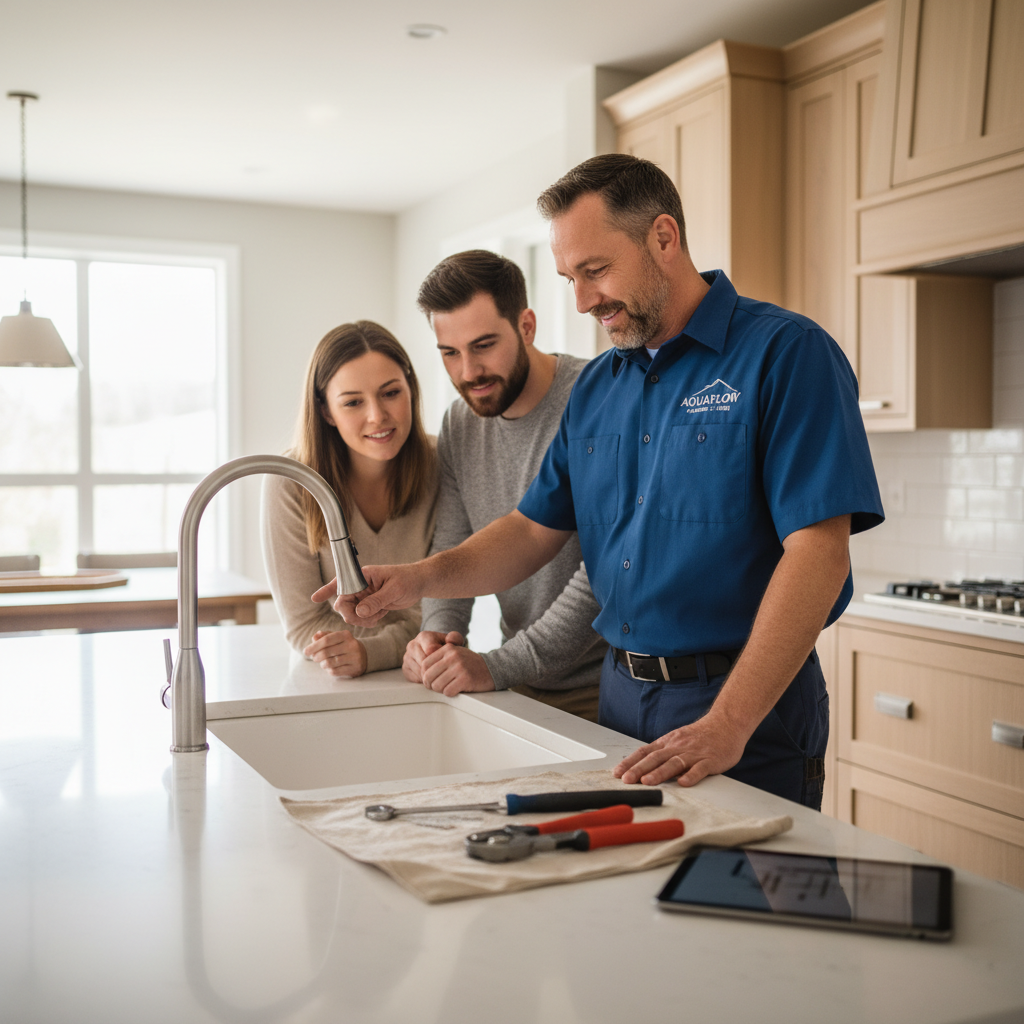
When a pipe bursts in the middle of the night, the frantic rush to the basement, the flood‑soaked carpet, and the looming repair bill can turn any homeowner into a stress‑monster. In 2024 alone, 40 % of U.S. households reported clogged drains as their most common plumbing issue, and emergency searches for “plumber near me” have surged by 15 % year‑over‑year. Knowing how to choose the right plumbing professional, what costs to expect, and when DIY stops being safe can save you time, money, and a lot of water damage. This guide walks you through every step of the hiring process—from spotting the warning signs to signing a contract—so you can make confident decisions and keep your home’s plumbing humming.
What Does a Plumbing Professional Do?
Plumbers aren’t just pipe‑fixers; they are licensed specialists who handle everything from routine maintenance to complex, code‑compliant installations. Below is a snapshot of the most common service categories you’ll encounter, the typical price range, how long each job usually takes, and the scenarios where each service shines.
| Service Type | Typical Cost* | Duration | Best For |
|---|---|---|---|
| Drain cleaning | $120 – $350 per call | 30 min – 2 hrs | Slow drains, hair clogs, tree‑root intrusion |
| Emergency plumbing | $150 – $500 (plus travel) | Immediate (within 1 hr) | Burst pipes, overflowing toilets, gas leaks |
| Water heater installation (tank) | $800 – $1,500 | 3 – 5 hrs | Replacing old heater, upgrading capacity |
| Tankless water heater install | $1,200 – $3,500 | 4 – 6 hrs | Energy‑efficiency goals, space constraints |
| Sewer line repair (traditional) | $1,000 – $4,000 | 1 – 2 days | Major root intrusion, collapsed pipe |
| Trenchless sewer repair | $2,500 – $7,500 | 1 – 2 days | Minimal landscaping disruption |
| Toilet installation | $150 – $350 | 1 – 2 hrs | Bathroom remodels, low‑flow upgrades |
| Leak detection (camera inspection) | $150 – $300 | 1 – 2 hrs | Hidden leaks behind walls or under slabs |
Scroll to see all columns →
*Costs are national averages sourced from HomeAdvisor, PHCC, and industry surveys; regional variations apply.
Pro tip: A licensed plumber should always provide a written estimate before starting work, and the estimate must break down labor, materials, and any permit fees.
Signs You Need a Professional
Even if you’re handy, plumbing problems often hide until they cause costly damage. Keep an eye out for these red flags:
- Slow or gurgling drains – Indicates a partial blockage that can become a full clog.
- Constantly running toilet – Wastes water and hints at a faulty flapper or valve.
- Low water pressure – Could be a leak, pipe corrosion, or a municipal issue.
- Water stains on ceilings or walls – Sign of hidden pipe leaks behind finishes.
- Unusual noises – Hammering or whistling suggests pressure problems or pipe vibration.
- Foul odors near drains – Often caused by a broken seal or a dry P‑trap.
- Visible corrosion or rust on exposed pipes – A sign of aging infrastructure that may soon fail.
If you notice any of these, it’s time to call a pro before the issue escalates into a flood or structural damage.
How to Find the Right Plumbing Pro
Finding a trustworthy plumber is more than a quick Google search. Follow these proven steps to vet candidates and secure a reliable partner:
- Check licensing and insurance. Every state requires plumbers to hold a valid license; verify the number on the state licensing board website. Insurance protects you from liability if an accident occurs on the job.
- Read recent reviews. Look for patterns in five‑star and one‑star feedback on Google, Yelp, and the Better Business Bureau. Pay particular attention to comments about timeliness, clean‑up, and price transparency.
- Ask for multiple quotes. A reputable plumber will provide a free, detailed estimate. Comparing at least three quotes helps you spot outliers and negotiate better terms.
- Confirm warranty and guarantees. Quality pros back their work with labor warranties (often 1‑2 years) and honor manufacturer warranties on parts.
- Look for specialty certifications. For complex jobs—like trenchless sewer repair or tankless water‑heater installation—seek technicians certified by the Plumbing‑Heating‑Cooling Contractors Association (PHCC) or the North American Technician Excellence (NATE) program.
One streamlined way to handle these steps is to use PLMBR. The platform aggregates verified, licensed plumbers, delivers side‑by‑side quotes, and stores all communication in an AI‑driven dashboard—so you never lose track of a price or promise.
What to Expect: Cost Breakdown
Understanding where your money goes demystifies the quote and protects you from surprise fees. Below is a realistic price matrix for the most requested plumbing services in 2026.
| Service | Low Estimate | High Estimate | Factors That Affect Price |
|---|---|---|---|
| Drain cleaning | $120 | $350 | Severity of clog, pipe material, travel distance |
| Emergency plumber (after‑hours) | $150 | $500 | Time of call, mileage, urgency of repair |
| Standard water heater installation | $800 | $1,500 | Heater size, fuel type (electric vs. gas), removal of old unit |
| Tankless water heater install | $1,200 | $3,500 | Brand, venting requirements, electrical upgrades |
| Traditional sewer line repair | $1,000 | $4,000 | Length of pipe, depth, soil conditions |
| Trenchless sewer repair | $2,500 | $7,500 | Pipe diameter, access points, equipment rental |
| Toilet installation | $150 | $350 | Fixture cost, floor height adjustments, waste‑line modifications |
| Leak detection (camera) | $150 | $300 | Accessibility, length of video footage, number of inspection points |
Scroll to see all columns →
Pro tip: When you receive a quote, ask the plumber to itemize each component. A transparent breakdown makes it easier to compare offers on PLMBR’s compare‑quotes page.
Questions to Ask Before Hiring
A solid interview protects you from hidden costs and subpar work. Here are the top questions to pose, with a quick note on why each matters:
- Are you licensed and insured in my state? – Guarantees compliance with local codes and protects you from liability.
- Can you provide references from recent jobs similar to mine? – Shows real‑world performance and reliability.
- What is your estimated timeline for completion? – Helps you plan around disruptions and avoid extended labor charges.
- Do you offer a written guarantee on labor and parts? – Ensures you’re covered if the problem recurs.
- Will you obtain any required permits, and who pays for them? – Prevents surprise fees and code violations.
- How do you calculate overtime or after‑hours rates? – Clarifies potential extra costs for emergency work.
- What payment methods do you accept, and is a deposit required? – Sets expectations for cash flow.
- Do you use OEM (original equipment manufacturer) parts or equivalents? – Impacts durability and warranty compliance.
- How do you handle unexpected issues discovered mid‑project? – Guarantees communication before additional charges.
- Can you provide a copy of your insurance certificate? – Verifies coverage limits and policy validity.
The Hiring Process: Step by Step
- Identify the problem – Document symptoms, photos, and any previous repair history.
- Gather quotes – Use PLMBR’s instant quote tool to request at least three estimates.
- Screen candidates – Verify licenses, read reviews, and check references.
- Compare estimates – Look beyond the total price; assess labor rates, material quality, and warranty terms.
- Select the plumber – Choose the provider that offers the best value, not necessarily the cheapest.
- Sign a contract – Review scope, schedule, payment terms, and cancellation policy.
- Monitor progress – Keep notes on start/end dates, any changes, and daily updates from the plumber.
- Final walkthrough – Verify that the work matches the contract and that the site is clean.
- Pay and retain documentation – Keep receipts, warranties, and the signed contract for future reference.
Understanding Your Contract
A well‑written contract should include:
- Scope of work – Detailed description of tasks, materials, and any optional add‑ons.
- Pricing structure – Labor rates, material costs, and a clear line for taxes or permit fees.
- Timeline – Estimated start date, milestones, and final completion date.
- Warranty language – Length of labor guarantee and manufacturer warranties for parts.
- Termination clause – Conditions under which either party may cancel without penalty.
- Liability and insurance – Confirmation that the plumber’s insurance covers on‑site accidents.
Never sign a blank or vague agreement; ask for clarification on any ambiguous clause.
DIY vs. Professional: When to Call a Pro
While minor tasks like tightening a faucet can be DIY‑friendly, many jobs demand expertise and permits. Use the table below to decide.
| Task | DIY Difficulty | Risk Level | Pro Recommended? |
|---|---|---|---|
| Fix a leaky faucet (compression) | ★★ (easy) | Low | ✔️ Optional |
| Replace a bathtub faucet | ★★★ (moderate) | Medium (possible water damage) | ✔️ Recommended |
| Install a new toilet | ★★★ (moderate) | Medium (seal failures) | ✔️ Recommended |
| Clear a main‑line clog with a snake | ★★ (easy) | Low (if you have the tool) | ✔️ Optional |
| Replace a water heater (tank) | ★★★★ (hard) | High (gas/electric safety) | ✔️ Mandatory |
| Trenchless sewer line repair | ★★★★★ (expert) | Very High (costly mistakes) | ✔️ Mandatory |
| Install a smart leak‑detector system | ★★ (easy) | Low | ✔️ Optional |
Scroll to see all columns →
Pro tip: If the job involves gas lines, electrical connections, or any work that triggers a building permit, always hire a licensed professional.
Common Mistakes to Avoid
- Skipping the permit. Unpermitted work can lead to fines, failed inspections, and resale headaches.
- Choosing the cheapest bid without a scope. Lowball quotes often hide hidden fees or inferior materials.
- Not verifying insurance. You could be liable for damage if the plumber isn’t covered.
- Delaying leak repairs. Small drips can waste up to 10,000 gal of water per year and cause mold growth.
- Using the wrong pipe material. PVC in hot‑water lines or copper where local code mandates PEX can lead to premature failure.
- Ignoring warranties. Keep all paperwork; many manufacturers require proof of professional installation for warranty validity.
- Failing to communicate changes. If the plumber discovers additional work, request a written amendment before proceeding.
Conclusion
Hiring the right plumbing professional is a blend of research, clear communication, and smart budgeting. By recognizing warning signs early, vetting candidates thoroughly, understanding cost drivers, and protecting yourself with a solid contract, you can avoid emergency floods, inflated bills, and endless follow‑up repairs.
Ready to put this plan into action? Find vetted plumbing pros on PLMBR, compare transparent quotes on PLMBR’s compare‑quotes page, and explore more home‑service guides at PLMBR’s blog. Your home’s plumbing health is only a click away.
References
- U.S. Environmental Protection Agency (EPA) – WaterSense & water‑conservation standards. https://www.epa.gov/watersense
- Plumbing‑Heating‑Cooling Contractors Association (PHCC) – Industry cost benchmarks and code updates. https://www.phcc.org/
- U.S. Department of Housing & Urban Development (HUD) – Home improvement repair cost data. https://www.hud.gov/program_offices/housing/sfh/repaircosts
- This Old House – Practical advice on DIY plumbing basics. https://www.thisoldhouse.com/plumbing
- Better Business Bureau (BBB) – Consumer reviews and dispute resolution. https://www.bbb.org/
All figures reflect 2024‑2025 market data and are adjusted for inflation where applicable.