
The Complete Guide to Hiring a Pressure Washing Pro in 2026
You’ve just spotted a grimy driveway, algae‑streaked siding, or a slip‑hazardous patio, and a quick Google search for “pressure washing near me” returns…
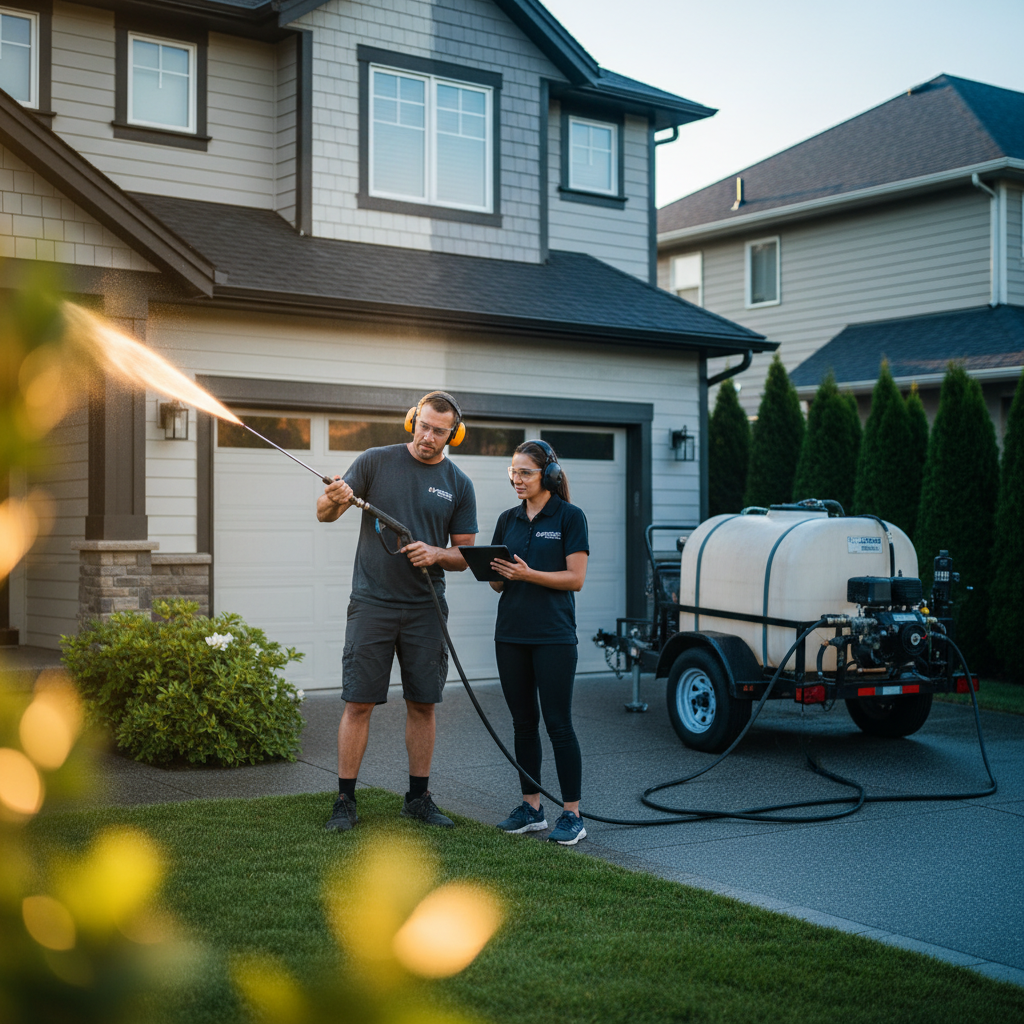
You’ve just spotted a grimy driveway, algae‑streaked siding, or a slip‑hazardous patio, and a quick Google search for “pressure washing near me” returns thousands of options. But the most‑clicked ads don’t guarantee safety, compliance, or a finish that lasts. In 2026 the pressure‑washing market is booming, with new AI‑controlled equipment, stricter EPA runoff rules, and higher consumer expectations for liability protection. This guide walks you through every step—from spotting the warning signs to understanding the cost breakdown—so you can hire a qualified pro with confidence and avoid costly missteps.
What Does a Pressure Washing Professional Do?
A pressure‑washing specialist does far more than blast water at high PSI. Certified technicians evaluate surface material, select the appropriate pressure level, apply environmentally safe detergents, and protect surrounding landscaping. They also manage runoff according to local storm‑water regulations, document the work for insurance purposes, and often offer a post‑wash sealant or protective coating.
| Service Type | Typical Cost | Duration | Best For |
|---|---|---|---|
| Residential House Wash (1–2 stories) | $250 – $800 | 2–4 hrs | Removing mildew, dust, and loose paint |
| Driveway & Sidewalk Cleaning | $100 – $300 | 1–2 hrs | Restoring concrete, brick, or paver appearance |
| Deck & Fence Restoration (wood) | $180 – $450 | 2–3 hrs | Reviving wood without sanding |
| Commercial Flatwork (parking lots, walkways) | $0.10 – $0.40 / sq ft | Varies by area | High‑traffic surfaces needing frequent upkeep |
| Roof & Gutter Cleaning (low‑pressure) | $150 – $500 | 2–5 hrs | Removing moss, algae, and debris safely |
| Oil/Grease Removal (hot‑water units) | $0.20 – $0.60 / sq ft | 3–6 hrs | Industrial kitchens, garage floors |
Scroll to see all columns →
Pro‑Tip: A reputable pro will always perform a pre‑wash inspection and provide a written recommendation that includes PSI settings, detergent type, and any needed surface repairs.
Signs You Need a Professional
- Visible Staining or Mildew – Dark patches that won’t wash away with a garden hose often indicate deep‑seated grime.
- Slippery or Hazardous Surfaces – Algae or moss on walkways can lead to slip‑and‑fall claims, especially for HOAs.
- Regulatory Pressure – Your city’s storm‑water ordinance requires captured runoff for any wash that exceeds 2 gal/min.
- Surface Damage Risk – Delicate siding, painted wood, or historic brick can be etched if the wrong pressure is used.
- Time Constraints – Large properties (>2,500 sq ft) can take a full day for a DIY attempt; professionals finish faster with commercial‑grade gear.
- Insurance Requirements – Some homeowners’ policies demand a licensed contractor for exterior cleaning after a claim.
- Desire for a Warranty – Certified pros often back their work with a satisfaction guarantee, something a DIY effort can’t provide.
How to Find the Right Pressure Washing Pro
- Start with Local Searches – Use “pressure washing services near me” to compile a short list, then narrow it by reading recent Google and Yelp reviews.
- Verify Licensing & Insurance – Many states require a contractor’s license for exterior cleaning; check the state licensing board or the company’s website.
- Ask for EPA‑Compliant Practices – Reputable firms will mention runoff capture or biodegradable detergents.
- Get at Least Three Structured Quotes – A side‑by‑side comparison makes hidden fees obvious. The PLMBR platform automates this process, delivering verified quotes from pre‑screened professionals.
- Check for Certifications – Look for NARI (National Association of the Remodeling Industry) or ICC (International Code Council) certifications that signal advanced training.
- Read the Fine Print – Ensure the contract includes a clear scope of work, payment schedule, and warranty terms.
By following these steps, you’ll avoid the “cheap‑but‑risky” trap and land a technician who respects both your property and the environment.
What to Expect: Cost Breakdown
Pricing varies by region, surface type, and equipment used. Below is a realistic range for 2026 based on industry data and average labor rates of $20 – $40 / hr.
| Service | Low Estimate | High Estimate | Factors That Affect Price |
|---|---|---|---|
| Standard Residential House Wash | $250 | $800 | Home size, number of stories, presence of paint or delicate trim |
| Driveway / Sidewalk | $100 | $300 | Surface material (concrete vs. pavers), size, need for sealant |
| Deck or Fence (Wood) | $180 | $450 | Wood condition, whether a protective coating is applied |
| Commercial Flatwork (per sq ft) | $0.10 | $0.40 | Volume discount, accessibility, required safety barriers |
| Roof & Gutter (Low‑Pressure) | $150 | $500 | Roof pitch, material (shingles vs. metal), height |
| Oil/Grease Removal (Hot‑Water) | $0.20 | $0.60 | Degree of contamination, need for specialty detergents |
| Eco‑Friendly Add‑On (Biodegradable Detergent) | $30 | $80 | Detergent brand, volume used, local disposal fees |
Scroll to see all columns →
Pro‑Tip: If a quote seems unusually low, ask whether runoff capture, insurance, or equipment depreciation is excluded—those hidden costs can surface later.
Questions to Ask Before Hiring
- Are you licensed and insured in my state? – Guarantees compliance and protects you from liability.
- What EPA‑approved detergents do you use? – Ensures runoff won’t violate storm‑water regulations.
- Do you provide a written pre‑wash inspection? – Documents existing conditions and recommended PSI settings.
- How do you protect surrounding landscaping? – Look for tarps, low‑pressure rinses, or plant covers.
- What is your policy on slip‑and‑fall liability after the job? – Some pros offer a post‑wash safety seal or warranty.
- Can you supply references from recent residential jobs? – Real‑world feedback is more reliable than marketing copy.
- Do you capture and dispose of runoff, or do you have a permit for it? – Required in many municipalities.
- What is your estimated project timeline? – Helps you plan around weather and family schedules.
- Do you offer a satisfaction guarantee or warranty? – Indicates confidence in workmanship.
- How do you handle additional repairs discovered during the wash? – Transparency avoids surprise invoices.
The Hiring Process: Step by Step
- Define the Scope – List the areas to be cleaned, surface types, and any special concerns (e.g., HOA restrictions).
- Collect Structured Quotes – Use a platform like PLMBR to receive at least three comparable offers.
- Review Credentials – Verify licenses, insurance certificates, and any industry certifications.
- Interview Top Candidates – Ask the questions above; note responsiveness and professionalism.
- Select and Sign a Contract – Ensure the agreement includes scope, price, schedule, and warranty.
- Prepare the Site – Remove vehicles, furniture, and delicate plants; the pro may provide a checklist.
- Execution & Inspection – The technician performs the wash, you conduct a walk‑through, and any punch‑list items are addressed.
- Final Payment & Review – Pay according to the contract terms and leave a public review to help future homeowners.
Understanding Your Contract
- Scope of Work: Should list each surface, pressure level, and any detergents used.
- Payment Schedule: Commonly 50 % upfront, remainder upon completion; avoid “pay‑everything‑up‑front” clauses.
- Warranty Language: Look for a specific time frame (e.g., 30 days) and what is covered (e.g., re‑cleaning if streaks remain).
- Liability Clause: Confirms the contractor’s insurance covers slip‑and‑fall or property damage during the wash.
DIY vs. Professional: When to Call a Pro
| Task | DIY Difficulty | Risk Level | Pro Recommended? |
|---|---|---|---|
| Sidewalk / Patio | Low (garden hose + brush) | Low (slip risk) | No – unless you have a low‑pressure electric washer |
| Driveway (Concrete) | Medium (requires PSI knowledge) | Medium (etching) | Yes – for consistent results |
| Wood Deck | High (pressure can splinter) | High (surface damage) | Yes – especially for older wood |
| Roof Cleaning | Very High (height, low‑pressure needed) | Very High (fall risk) | Yes – safety and warranty |
| Oil/Grease Removal | Very High (hot‑water units needed) | High (chemical exposure) | Yes – specialized equipment |
| Large‑Scale Commercial Flatwork | Very High (volume) | High (regulatory) | Yes – compliance and efficiency |
Scroll to see all columns →
If you lack the proper equipment, certifications, or time, the professional route pays off in safety, compliance, and a finish that lasts.
Common Mistakes to Avoid
- Choosing the Cheapest Quote – Low prices often hide sub‑par equipment, insufficient insurance, or non‑EPA‑compliant detergents.
- Skipping the Pre‑Wash Inspection – Without it, you risk surface damage or missed repairs.
- Ignoring Local Storm‑Water Rules – Failure to capture runoff can lead to fines from the EPA or city agencies.
- Using the Wrong Detergent – Acidic or petroleum‑based cleaners can discolor siding and violate environmental guidelines.
- Neglecting Post‑Wash Safety – Not applying an anti‑slip coating or failing to warn occupants can cause injuries.
- Over‑Pressurizing Delicate Materials – Wood, vinyl siding, and painted surfaces can be etched at >2,500 psi.
- Not Getting a Written Warranty – Verbal promises are hard to enforce if the cleaning fades or streaks reappear.
Conclusion
Hiring a pressure‑washing professional in 2026 isn’t just about a sparkling curb appeal; it’s about protecting your home, staying compliant with EPA runoff rules, and avoiding costly slip‑and‑fall claims. By recognizing the signs that you need a pro, vetting contractors carefully, and understanding the true cost structure, you’ll make an informed decision that adds value and peace of mind. Ready to compare vetted, licensed pros and get structured quotes in minutes? Visit Find Pressure Washing pros on PLMBR or explore the broader marketplace at Compare quotes on PLMBR. For more home‑service insights, check out our Read more home service guides. Your clean, safe, and EPA‑compliant exterior is just a click away.