
The Homeowner’s Complete Guide to Appliance Repair in 2024‑25
When your refrigerator stops cooling on a scorching July afternoon, the last thing you want is a week‑long game of phone tag and a vague “$300‑plus” estimate…
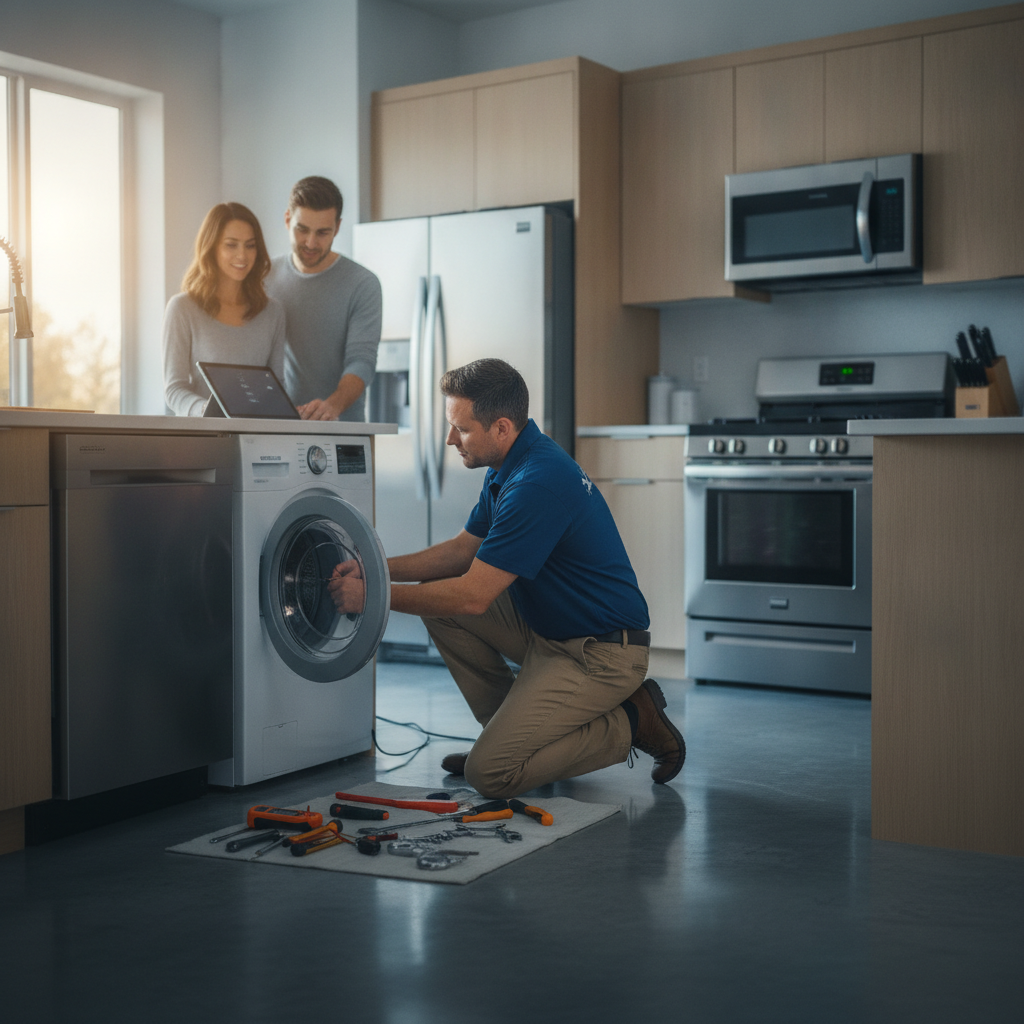
When your refrigerator stops cooling on a scorching July afternoon, the last thing you want is a week‑long game of phone tag and a vague “$300‑plus” estimate that may not even cover the real problem. Appliance repair is a $5.6 B industry in the United States that is growing at 2.6 % CAGR through 2031, yet the hiring experience remains stuck in the 1990s. In this guide we break down what you need to know, how to avoid costly pitfalls, and why an AI‑native workflow like PLMBR is finally fixing the broken loop.
What Homeowners Need To Know About Appliance Repair
Appliances are the unsung workhorses of modern life. From keeping food fresh to powering laundry cycles, a single failure can throw a household into chaos. Here are the three core realities you should keep front‑and‑center:
- Urgency varies, but safety never does – A malfunctioning dryer can spark a fire, while a leaky dishwasher threatens water damage and mold.
- Repair vs. replace is a financial decision – According to the Neighborly blog, 69 % of homeowners are unsure whether a repair will save them money in the long run.
- Smart‑appliance complexity is rising – Connected units experience ≈92 problems per 100 units versus 63 for non‑connected models (JD Power 2025). This means you need a technician who can diagnose firmware as well as hardware.
Understanding these factors helps you ask the right questions and choose a provider who can actually solve the issue—not just “turn the knob” and disappear.
Pro‑Tip: If an appliance is under warranty, start with the manufacturer’s service network. Only move to third‑party pros when the warranty expires or the manufacturer’s response time exceeds 48 hours.
Cost / Risk / Hiring Reality
Below is a snapshot of typical repair costs, associated risks, and the hidden fees you might encounter on traditional lead‑gen platforms.
| Appliance | Avg. Repair Cost (2026) | Typical Risk if Not Fixed Promptly | Common Hidden Fees on Lead‑Gen Sites |
|---|---|---|---|
| Refrigerator | $336 | Food spoilage, high energy use | $10‑$100 per lead (Thumbtack) |
| Oven / Range | $326 | Fire hazard, uneven cooking | $99 “advance‑lead” fee (BBB complaint) |
| Dishwasher | $251 | Water damage, mold growth | Subscription contracts (Angi) |
| Washing Machine | $265 | Flooding, electrical shock | Percentage‑based commission (15‑30 %) |
Scroll to see all columns →
Why it matters: The numbers look modest until you add a $99 advance‑lead fee (see BBB warning) or a 30 % early‑cancellation charge from platforms like Angi. Those hidden costs can push a $300 repair past the $500 “replace” threshold, leading many homeowners to toss out a perfectly good appliance.
How To Vet Providers Without Getting Burned
The old “search Google → call three pros → compare handwritten notes” workflow is riddled with inefficiencies. Here’s a modern, five‑step vetting checklist you can use today:
- Check Licensing & Insurance – Verify state licensing (e.g., NY Department of State) and confirm liability insurance is current.
- Read Verified Reviews – Look for reviews that mention timeliness, clear communication, and accurate scopes.
- Confirm Specialty Experience – Ask for examples of work on the exact make and model of your appliance, especially for smart devices.
- Demand a Structured Quote – Insist on a booking packet that breaks down labor, parts, and any warranty terms line‑item by line‑item.
- Validate Payment Safety – Use an escrow‑backed payment method that holds funds until the job is confirmed complete.
If a provider balks at any of these steps, walk away. The right professional will understand that transparency protects both parties.
Where The Old Workflow Breaks
| Broken Step | What Happens | Homeowner Pain | Provider Pain |
|---|---|---|---|
| Phone tag | Multiple back‑and‑forth calls to confirm details | Time wasted, missed urgency | Lost productivity, dead leads |
| Vague estimates | “It’ll be around $300” with no line items | Surprise bills, scope creep | Undercut pricing, disputes |
| Lead‑fee traps | Platforms charge $10‑$100 per lead or $99 advance fees | Higher overall cost | Low conversion, wasted outreach |
| No escrow | Payment taken up‑front, risk of incomplete work | Fear of being scammed | Cash‑flow pressure, rushed jobs |
| Fragmented tools | Separate calendars, invoicing, and messaging apps | Chaos, missed appointments | Administrative overhead |
Scroll to see all columns →
These friction points are why 70 % of homeowners report “difficulty getting a reliable quote” (Home Service Bureau). Providers, meanwhile, cite “dead leads” as a top reason for low margins (FieldProxy 2024).
How PLMBR Changes This Workflow
PLMBR is an AI‑native home services workflow and payments platform that rewrites each broken step:
| PLMBR Feature | Traditional Pain Point Fixed |
|---|---|
| Conversational AI Intake | Eliminates phone tag – you describe the issue in plain English, attach photos, and the AI instantly captures trade, urgency, and location. |
| Semantic Search & Matching | Finds the best‑fit technician based on brand expertise, distance, and real‑time availability, not just keyword matches. |
| AI Agent Outreach (Premium) | One click launches an AI‑driven outreach that contacts multiple vetted providers simultaneously and reports back with status updates. |
| Booking Packet Builder | Generates a structured quote with line‑item pricing, parts list, warranty terms, and a milestone‑based billing schedule—all rendered inline in the chat. |
| Escrow‑Backed Payments (Stripe) | Funds are authorized and held until you confirm the repair is complete, removing the risk of paying for unfinished work. |
| Progressive Billing | For larger jobs (e.g., full‑kitchen appliance overhaul), you pay per milestone, keeping cash flow predictable. |
| AI‑Mediated Dispute Resolution | If a part fails after repair, the AI collates evidence and suggests resolutions, cutting down on back‑and‑forth with the provider. |
Scroll to see all columns →
Result: Homeowners get speed, clarity, and financial safety; providers get qualified, zero‑dead leads and a unified dashboard for scheduling, invoicing, and earnings.
Try it yourself: Find Appliance Repair pros on PLMBR, upload a photo of the faulty unit, and receive up to three side‑by‑side compare quotes on PLMBR within minutes.
Questions To Ask Before Hiring
Even with PLMBR’s safeguards, a quick pre‑call checklist ensures you’re fully informed:
- What exact parts will be replaced, and are they OEM or aftermarket?
- Do you have experience with my appliance’s make, model, and firmware version?
- What is the estimated turnaround time for parts delivery?
- How do you handle warranty on labor and parts?
- Can you walk me through the milestone billing schedule?
- Do you carry the necessary licenses and insurance, and can you share the expiration dates?
Document the answers directly in the booking packet; PLMBR’s in‑context messaging lets you reference them later without scrolling through separate emails.
Conclusion
Appliance repair is a booming market—projected to hit $5.6 B by 2031—but the hiring experience remains mired in outdated lead‑gen tactics, hidden fees, and vague quotes. By understanding the true cost structure, vetting providers rigorously, and leveraging an AI‑first workflow, you can protect your home, your budget, and your peace of mind.
PLMBR eliminates the broken loop with conversational AI intake, semantic matching, structured booking packets, and escrow‑backed payments—all in one unified platform. The next time your dishwasher sputters or your fridge goes warm, you’ll have a clear, fast, and safe path to a qualified repair professional.
Ready to experience friction‑free appliance repair? Visit the PLMBR homepage, explore the home service guides, and start your first repair request today.
External Resources