
The Homeowner’s Complete Guide to Getting a New Fence in 2024 – Costs, Risks, and a Better Way to Hire
If you’ve ever stared at a cracked backyard fence and wondered how to replace it without the endless phone tag, vague estimates, or surprise bills, you’re not…
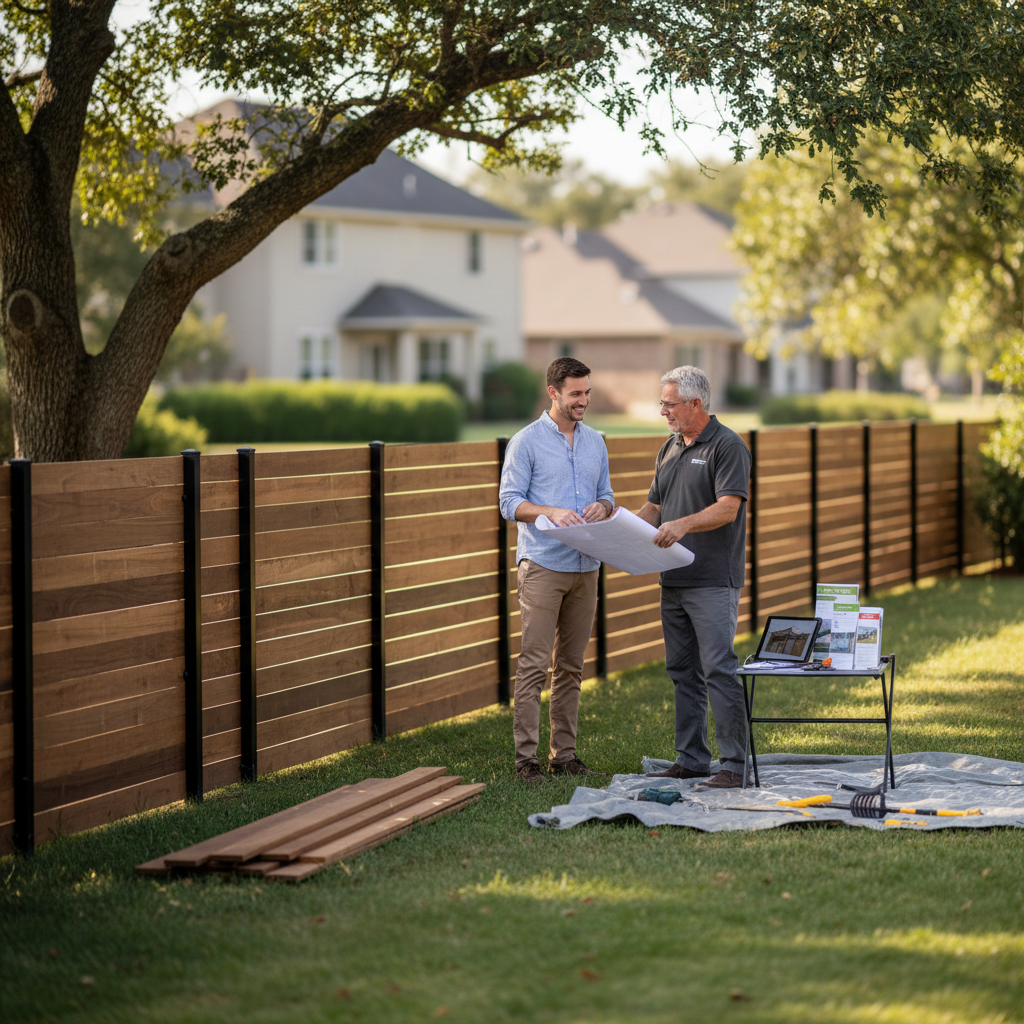
If you’ve ever stared at a cracked backyard fence and wondered how to replace it without the endless phone tag, vague estimates, or surprise bills, you’re not alone. The U.S. fencing market is a $13 billion industry projected to grow to $22 billion by 2035 — yet the hiring process still feels stuck in the 1990s. This guide walks you through everything you need to know, from budgeting and permitting to vetting contractors, and shows why the new AI‑native workflow from PLMBR finally solves the broken model.
What Homeowners Need To Know About Fencing
Before you start comparing quotes, understand the key variables that drive a fence’s price and lifespan.
- Material matters – Chain‑link and wood are the cheapest options, while vinyl, composite, and insulated aluminum command premium prices but require far less maintenance.
- Height & length – Most residential fences range from 4‑6 ft tall. Every additional foot of linear footage adds material and labor costs.
- Local regulations – Many cities (including New York City, Boston, and Philadelphia) require permits for fences taller than 4 ft or for certain materials. Check the municipal building department before you order.
- Site conditions – Sloped yards, rocky soil, or existing structures can add excavation or grading time, inflating labor.
- Seasonality – Contractors often charge a surcharge in the spring and summer when demand peaks.
Pro‑Tip: Ask any contractor for a “site‑specific cost breakdown” that isolates material, labor, and any permit fees. If they can’t provide it, you’re likely looking at a vague estimate.
Cost / Risk / Hiring Reality
Below is a realistic snapshot of what you’ll encounter when you request a fence in the Northeast corridor. Numbers are derived from the HomeAdvisor Fence Cost Guide and recent market research from OMR Global.
| Fence Type | Avg. Cost per Linear Foot* | Typical Total Cost (200 ft) | Common Risks |
|---|---|---|---|
| Chain‑link (galvanized steel) | $9–$12 | $1,800–$2,400 | Low durability, rust in coastal areas |
| Pressure‑treated wood | $15–$22 | $3,000–$4,400 | Rot, insect damage, 5‑year lifespan |
| Vinyl | $25–$35 | $5,000–$7,000 | Higher upfront cost, color fading in UV |
| Composite (wood‑plastic blend) | $30–$45 | $6,000–$9,000 | Heavier, may require stronger posts |
| Insulated aluminum (premium) | $40–$55 | $8,000–$11,000 | Best for extreme weather, highest upfront price |
Scroll to see all columns →
*Costs include material and standard installation labor, excluding permits, site preparation, or specialty hardware.
Hidden Expenses to Watch
- Permit fees – $50‑$300 depending on city.
- Removal of old fence – $2‑$5 per foot if demolition is required.
- Stump or rock removal – $75‑$150 per hour.
- Progressive billing – Traditional contractors often ask for a large upfront deposit, leaving you exposed if the job stalls.
Understanding these numbers up front helps you set a realistic budget and avoid “scope creep” later.
How To Vet Providers Without Getting Burned
The biggest pain point for homeowners is the “dead lead” problem: you spend hours chasing contractors who never respond or disappear after giving a cheap estimate. Here’s a systematic approach to eliminate that risk.
- Leverage AI‑enhanced intake – Start by describing your fence issue in plain English, uploading a few photos, and letting an AI parse the trade, urgency, and location. Platforms that use AI (like PLMBR) automatically match you with qualified, licensed fence contractors in your area.
- Check credentials – Verify the contractor’s liability insurance, workers’ comp, and any required state licensing. In New York, for example, the Department of State maintains an online license lookup.
- Read verified reviews – Look for reviews that mention scope clarity and payment experience. The Federal Trade Commission (FTC) warns consumers to avoid contractors with only “5‑star” reviews on their own website.
- Request a structured quote – A proper booking packet lists line‑item pricing, materials, labor hours, and a timeline. If a contractor can’t produce this, they’re likely still using the old “estimate‑only” model.
- Confirm escrow or progressive billing – Reputable platforms now hold your payment in escrow until work is verified complete, protecting you from being left with an unfinished fence.
Expert Insight: The Better Business Bureau notes that 30 % of fence complaints involve “no‑show” contractors. Using a platform that guarantees qualified, paying jobs only reduces that exposure dramatically.
Where The Old Workflow Breaks
Traditional lead‑gen services (Angi, Thumbtack, HomeAdvisor) still rely on a phone‑tag, spreadsheet‑estimate model. Here’s where it fails:
| Failure Point | Homeowner Impact | Contractor Impact |
|---|---|---|
| Vague, lump‑sum estimates | You can’t compare apples to apples; hidden fees pop up later. | Contractors spend hours drafting custom quotes that may never convert. |
| Phone/tag back‑and‑forth | Hours lost chasing replies, missed deadlines. | Low conversion rate; many leads turn cold. |
| No payment protection | Up‑front deposits with no guarantee of completion. | Cash flow tied up in deposits; risk of disputes. |
| Lead‑fee per contact | Contractors inflate prices to recoup fees, passing cost to you. | Margins shrink, driving some pros out of the market. |
| Compliance gaps | Unlicensed or uninsured contractors may appear, exposing you to liability. | Honest pros lose business to shady competitors. |
Scroll to see all columns →
The result is a broken hiring loop that leaves both parties frustrated, especially in a market where 30 % of fence jobs are performed by unregistered firms (Grand View Research).
How PLMBR Changes This Workflow
PLMBR reimagines the entire fence‑hiring journey with an AI‑native, escrow‑backed workflow. Below is a step‑by‑step comparison of the old vs. new process.
| Step | Traditional Lead‑Gen (Phone/Email) | PLMBR AI‑Native Workflow |
|---|---|---|
| 1️⃣ Intake | Manual form, often only name & phone. | Conversational AI intake – describe the issue, upload photos; AI extracts trade, urgency, and location. |
| 2️⃣ Matching | Keyword search → list of any contractors in zip code. | Semantic vector matching – finds providers with the right trade, distance, ratings, and verified insurance. |
| 3️⃣ Outreach | Homeowner calls each provider; many don’t reply. | Seeker AI Agent contacts multiple providers simultaneously, tracks status, and surfaces only qualified replies. |
| 4️⃣ Quote creation | Contractors send free‑hand PDFs or scribbled notes. | AI Booking Packet Builder – creates a structured, line‑item quote (scope, materials, milestones) instantly from conversation context. |
| 5️⃣ Comparison | Homeowner manually copies numbers into a spreadsheet. | Side‑by‑side packet comparison inside the platform; click “Compare” to see price, material, and terms at a glance. |
| 6️⃣ Payment | Up‑front cash or check; no protection. | Escrow‑backed Stripe flow – funds held until you approve completion; progressive billing for larger jobs. |
| 7️⃣ Dispute | Phone calls, letters, sometimes small‑claims court. | AI‑mediated dispute resolution – evidence packs, automated recommendations, and tiered resolution. |
| 8️⃣ Compliance | You must ask for proof; many contractors skip it. | Compliance dashboard – providers upload insurance & licenses; auto‑expiration alerts keep everything current. |
Scroll to see all columns →
Real‑World Example: Installing a 200‑ft Vinyl Fence in Boston
- Intake – You upload three photos of your yard and type “Replace my aging chain‑link fence with a low‑maintenance vinyl fence, 4 ft tall.”
- AI Matching – PLMBR returns 4 licensed Boston contractors, each with a rating, insurance badge, and calendar availability.
- Seeker Agent Outreach – The AI sends a single outreach that asks each contractor for a booking packet. You receive three packets within hours.
- Compare Packets – The UI shows side‑by‑side line‑item prices, warranty terms, and a projected timeline. One contractor offers progressive billing: 30 % deposit, 40 % after posts are installed, 30 % on final completion.
- Escrow – You authorize a $3,000 hold via Stripe. The funds are released automatically as milestones are marked complete in the app.
- Completion – After final inspection, you approve the job, and the escrow releases the remaining balance. No surprise invoices, no chase‑up calls.
The result? A transparent, low‑stress fence installation that saves you an estimated 8‑12 hours of coordination time and eliminates the risk of paying a contractor who never shows up.
Questions To Ask Before Hiring
Even with a modern platform, asking the right questions ensures you pick the best partner for your fence project.
- What specific materials will you use, and why?
- Can you provide a detailed booking packet with line‑item pricing?
- Do you hold the required licenses and insurance for New York/MA/PA? (Ask for the license number and verify online.)
- What is your payment schedule, and do you support escrow or progressive billing?
- How do you handle permits? – Some contractors include the permit fee; others expect you to obtain it.
- What is your warranty on materials and workmanship?
- Will you integrate the job into a field‑service management system (e.g., Jobber) for updates?
Having clear answers to these questions will keep the project on time, on budget, and compliant with local regulations.
Conclusion
A new fence can boost your home’s curb appeal, security, and resale value, but the hiring process has been stuck in the stone‑age for too long. The market data shows a $13 billion industry with 5‑6 % annual growth, yet 30 % of jobs still fall to unlicensed contractors, and homeowners waste hours chasing leads that never materialize.
PLMBR flips the script by turning a chaotic phone‑tag nightmare into a structured, AI‑driven workflow that:
- Delivers side‑by‑side, line‑item quotes (no more vague estimates).
- Guarantees qualified, paying jobs only (zero lead‑fee).
- Protects your money with escrow and progressive billing.
- Keeps every contractor’s insurance, licensing, and compliance visible and up‑to‑date.
If you’re ready to replace that old fence without the stress, start by visiting Find Fencing pros on PLMBR, compare quotes instantly, and let the AI do the heavy lifting.
Happy fencing!
Further Reading & Resources
- U.S. Department of State – Contractor License Lookup (NY) – Verify a contractor’s license quickly.
- EPA – Vinyl Fence Recycling Guide – Learn about the environmental impact of vinyl and recycling options.
- Better Business Bureau – Home Improvement Complaints – See common consumer issues and how to avoid them.
- HomeAdvisor – Fence Cost Guide 2024 – Baseline pricing for different fence types.
- PLMBR Blog – More Home Service Guides – Explore other AI‑enhanced hiring guides for roofing, HVAC, and more.