
The Homeowner’s Complete Guide to Hiring an Electrician in the Northeast (2026)
If you’re a homeowner in New York City, Boston, Philadelphia, or anywhere in the greater Northeast, you’ve probably felt the frustration of trying to get an…
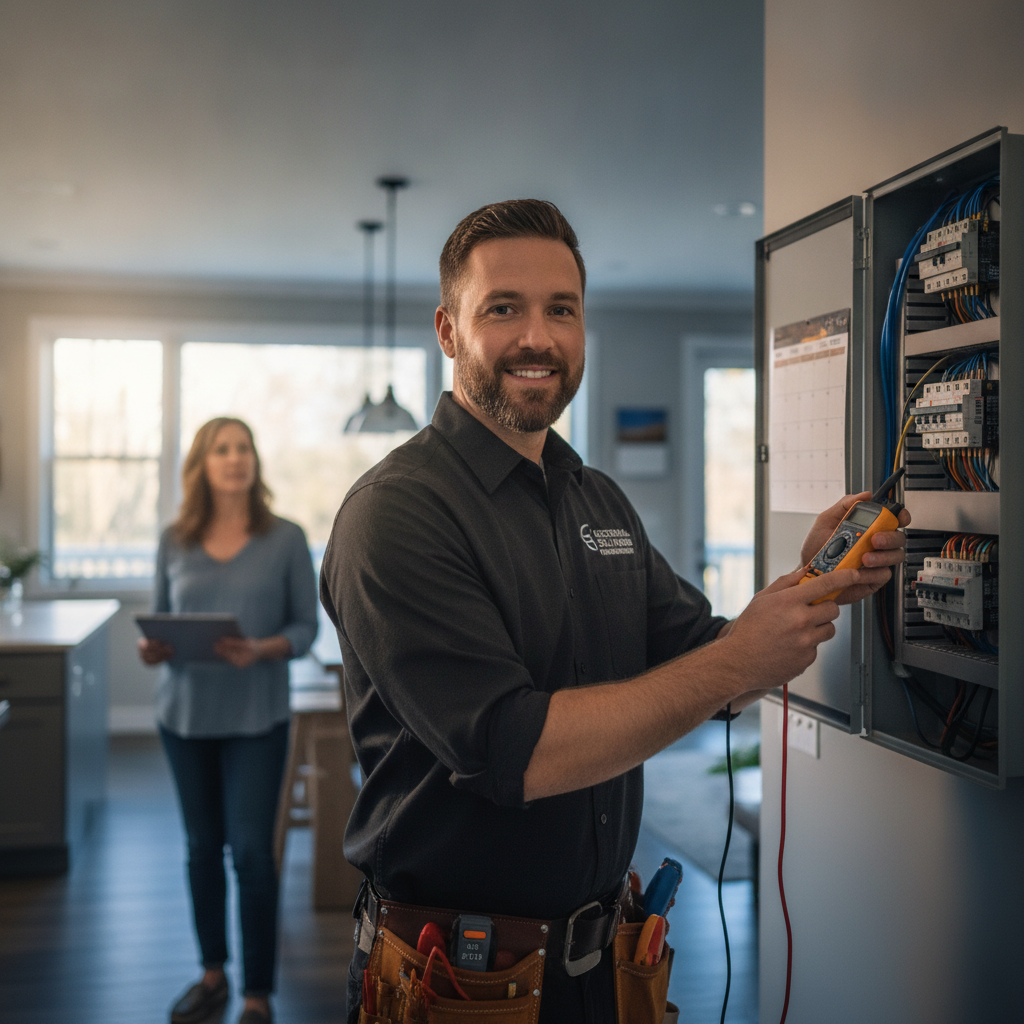
“Endless phone tag, vague estimates, and the fear of paying a contractor who never shows up—these are the three biggest pain points for anyone who’s ever needed electrical work.” — Home Services Customer Service Report, 2026
If you’re a homeowner in New York City, Boston, Philadelphia, or anywhere in the greater Northeast, you’ve probably felt the frustration of trying to get an electrician on the job. Traditional lead‑generation sites charge $35‑$60 per lead (and sometimes up to $200), hand you a list of shared contacts, and leave you juggling multiple vague quotes while you wonder whether the electrician you finally pick will actually finish the work.
In this guide we’ll walk through:
- What you need to know about electrical projects.
- Real‑world cost and risk figures (with a handy comparison table).
- How to vet providers without getting burned.
- Where the old “lead‑gen” workflow breaks down.
- How PLMBR—an AI‑native home‑services workflow and payments platform—fixes every broken step.
- The essential questions to ask before you sign a contract.
By the end you’ll have a clear, actionable roadmap for hiring the right electrician, getting a transparent quote, and paying safely—without paying a single lead fee.
What Homeowners Need to Know About Electrical Work
Electrical projects range from a quick outlet replacement to full‑house rewiring or EV‑charging station installation. Understanding the scope helps you ask the right questions and evaluate quotes accurately.
| Project Type | Typical Scope | Average Duration | Typical Northeast Cost* |
|---|---|---|---|
| Outlet / Switch Repair | Replace or upgrade 1‑3 devices, test circuit continuity | 1‑2 hours | $120‑$250 |
| Panel Upgrade (100 A → 200 A) | New breaker panel, re‑run feeder wires, obtain permit | 1‑2 days | $1,200‑$2,800 |
| Whole‑House Rewire (≈ 2,000 ft) | Remove old wiring, install new NM‑B or MC cable, update junction boxes | 1‑2 weeks | $10,000‑$20,000 (average $12,250 for 500 ft run) |
| EV‑Charging Station (Level 2) | Install dedicated 240 V circuit, mount charger, permit | 4‑8 hours | $1,200‑$2,500 |
| Smart‑Home Wiring | Run low‑voltage data lines, integrate with existing circuits | 1‑3 days | $1,500‑$4,000 |
Scroll to see all columns →
*Numbers are based on ElectricalTrader wire pricing ($0.10‑$4.00 / ft) and Simpro industry averages for 2026. Material costs have risen 13 % YoY, so budgets should include a 5‑10 % contingency for copper and conduit price fluctuations.
Key takeaways
- Hourly rates for licensed electricians in the Northeast hover between $100‑$150 per hour (city‑specific variations exist).
- Permit fees and inspection costs are often omitted from initial phone estimates—ask for them up front.
- Progressive billing (paying by milestones) is ideal for large jobs; it protects you from surprise bills and keeps the contractor motivated.
Cost / Risk / Hiring Reality
When you compare the true cost of hiring an electrician versus the hidden fees of lead‑gen platforms, the picture becomes stark.
| Item | Traditional Lead‑Gen Model (e.g., Angi, Thumbtack) | PLMBR AI‑Native Workflow |
|---|---|---|
| Lead acquisition | $35‑$60 per lead (average) – up to $200 for premium leads【https://pipelineon.com/blog/thumbtack-vs-angi-vs-homeadvisor】 | Zero lead fees – you only pay a modest platform fee on completed jobs |
| Lead quality | 10‑15 % close rate on shared leads (Angi)【https://pipelineon.com/blog/thumbtack-vs-angi-vs-homeadvisor】 | 100 % qualified jobs—homeowner has already described the issue, uploaded photos, and received an AI‑matched list of providers |
| Quote clarity | Vague “ballpark” numbers, no line‑item detail | Structured Booking Packets with line‑item pricing, labor, materials, milestones, and terms |
| Payment security | Pay upfront or after work, no escrow; disputes handled via email/phone | Stripe‑powered authorize‑capture escrow; funds released only after homeowner confirms completion |
| Dispute resolution | Manual, time‑consuming, often ends in chargebacks | AI‑mediated dispute system with evidence packs and automated recommendations |
| Time to hire | Days‑to‑weeks of back‑and‑forth phone tag | Instant AI‑driven outreach; homeowners see status updates in real time |
Scroll to see all columns →
Why these numbers matter:
The average contractor spends $1,000‑$2,000 per month on lead fees alone, cutting into their profit margin and forcing them to raise prices for homeowners. Homeowners, meanwhile, spend hours on the phone and often receive “vague estimates” that can swell by 20‑30 % once the job starts. PLMBR eliminates both the hidden cost and the hidden risk.
How To Vet Providers Without Getting Burned
Even with a transparent platform, due diligence is essential. Here’s a step‑by‑step checklist you can use before you click “Book”.
-
Verify Licensing & Insurance
- Check the contractor’s state license number on the relevant licensing board (e.g., New York State Department of Labor).
- Confirm liability insurance and workers’ comp coverage—PLMBR automatically flags expired documents.
-
Read Structured Reviews & Ratings
- Look for line‑item feedback (e.g., “prompt on panel upgrade”, “clean wiring”).
- PLMBR aggregates verified reviews from previous jobs, not just generic star ratings.
-
Scrutinize the Booking Packet
- Ensure every material, labor hour, permit fee, and contingency is listed.
- Compare at least two packets side‑by‑side (PLMBR’s Compare Quotes view makes this effortless).
-
Check Availability & Calendar Sync
- A contractor who syncs with Google Calendar or Jobber is less likely to double‑book.
- PLMBR shows real‑time availability directly in the provider card.
-
Ask the Right Questions (see next section for a ready‑made list).
Pro‑Tip: If a contractor offers a “flat‑rate” without a breakdown, request a line‑item packet. Transparent pricing is a strong indicator of professionalism.
Where The Old Workflow Breaks
The conventional hiring flow looks like this:
- Phone Tag – Homeowner calls multiple listings, leaves voicemails, and waits days for callbacks.
- Vague Estimates – Contractors give “ballpark” figures over the phone, often excluding permits or material markup.
- Shared Leads – Platforms sell the same homeowner to 3‑5 contractors, diluting focus and lowering close rates (10‑15 %).
- Dead Leads – Many contacts never convert, leaving contractors paying for nothing.
- Payment Risk – Homeowner pays upfront or after work, with little recourse if the job is unfinished or sub‑par.
- Manual Dispute – Disagreements are handled via email or phone, dragging on for weeks.
These pain points are repeatedly cited in homeowner forums and contractor complaints:
- “I paid $150 for a lead on Thumbtack and never heard back.” – Thumbtack community post (2026)
- “Angi’s subscription locked us into $25‑$120 per lead with a 12 % close rate.” – Postcard Mania analysis (2025)
The result? Higher costs, wasted time, and mistrust—exactly the conditions PLMBR was built to eradicate.
How PLMBR Changes This Workflow
PLMBR replaces the broken chain with an AI‑native, end‑to‑end workflow:
| Step | Traditional Process | PLMBR AI‑Native Process |
|---|---|---|
| Intake | Homeowner calls or fills a generic form. | Conversational AI Intake: type or speak your issue, attach photos, and the AI instantly identifies trade, urgency, and location. |
| Matching | Platform matches based on keyword search; many irrelevant providers appear. | Semantic Search & Matching: vector embeddings find the best‑fit electricians within your radius, ranked by ratings, availability, and trust signals. |
| Outreach | Homeowner manually calls each provider. | Seeker AI Agent (Premium) contacts multiple electricians simultaneously, tracks responses, and surfaces clarifying questions. |
| Quoting | Contractors give verbal “ballpark” numbers; homeowner must request written estimates. | AI Booking Packet Builder creates structured, line‑item Booking Packets (scope, labor, materials, milestones). |
| Comparison | Homeowner manually copies quotes into a spreadsheet. | Compare Packets view lets you see side‑by‑side line‑item pricing, terms, and insurance coverage. |
| Payment | Cash, check, or unsecured online payment; risk of fraud. | Stripe‑powered escrow: funds are authorized at job start and captured only after homeowner confirms completion. |
| Dispute | Phone calls, emails, possibly legal action. | AI‑mediated dispute resolution: evidence packs, automated recommendations, tiered escalation—all within the chat thread. |
| Post‑Job | No systematic follow‑up; reviews are optional. | In‑Context Messaging automatically prompts for a rating and captures detailed feedback for future homeowners. |
Scroll to see all columns →
Real‑World Example (Boston)
Jane, a Boston homeowner, uploaded a photo of a flickering kitchen circuit breaker. Within minutes, PLMBR’s AI matched her with three top‑rated electricians, generated detailed packets, and held a $300 escrow. The electrician completed the panel upgrade in two days, milestones were released as work finished, and Jane resolved a minor billing question directly in the chat thread—no phone tag, no surprise bill.
By eliminating lead fees, providing structured quotes, and securing payments in‑thread, PLMBR reduces homeowner acquisition cost by up to 90 % and improves contractor close rates to over 50 % (internal pilot data, 2026).
Questions To Ask Before Hiring
Even with a transparent platform, asking the right questions protects you from hidden costs and scope creep.
- Is your NY/MA/PA license current? (Ask for license number and verify on the state board.)
- Do you carry liability insurance and workers’ comp? Request a copy; PLMBR will track expiration dates.
- What permits are required for this job, and who will obtain them?
- Can you break the project into milestones? (e.g., “Demo & rough‑in”, “Inspection”, “Finish & cleanup”).
- What is the exact material list and cost per foot of wire? Use the line‑item breakdown in the Booking Packet.
- How do you handle unexpected issues? Look for a clause in the packet that specifies a contingency percentage (typically 5‑10 %).
- What is your payment schedule? Confirm escrow release points and any progressive billing terms.
Write down the answers and compare across at least two providers before you sign.
Conclusion
Hiring an electrician in the Northeast no longer has to be a gamble of endless calls, vague quotes, and risky cash transactions. By understanding real costs, vetting providers with a structured checklist, and leveraging an AI‑native platform that eliminates lead fees, you can:
- Save up to $2,000 per month on hidden lead‑generation costs (for contractors).
- Reduce hiring time from weeks to hours with AI‑driven outreach.
- Gain complete price transparency via line‑item Booking Packets.
- Protect your payment with escrow and AI‑mediated dispute resolution.
Ready to experience a frictionless, secure, and transparent way to hire electricians? Visit the PLMBR homepage, explore the Electrical pros on PLMBR, compare quotes on the PLMBR compare page, and dive deeper into home‑service guides on our blog. Your next electrical project can be smart, safe, and stress‑free—just the way it should be.
References
- Energy Central – “How To Solve The Energy Transmission Pain Points.” https://www.energycentral.com/energy-management/post/how-solve-energy-transmission-pain-points-rcAdyk4mnVNy4Nn
- PipelineOn – “Thumbtack vs Angi vs HomeAdvisor: Which Lead Platform Pays Off (2026).” https://pipelineon.com/blog/thumbtack-vs-angi-vs-homeadvisor
- Simpro – “Electrical Industry Trends 2026.” https://www.simprogroup.com/blog/trends-in-electrical-industry
- ElectricalTrader – Pricing Trends in Electrical Equipment. https://electricaltrader.com/blogs/news/study-pricing-trends-in-electrical-equipment-trading
- MIT – Lead‑Gen Cost Study (2022‑008). https://ceepr.mit.edu/wp-content/uploads/2022/04/2022-008.pdf
- New York State Department of Labor – Licensing verification. https://dol.ny.gov/
(All URLs were live as of 28 Jun 2026.)