
The Homeowner’s Complete Guide to Hiring an Exterior Painter (2024 Edition)
Exterior painting is one of the biggest visual upgrades you can give your house, but the hiring process is still riddled with phone‑tag, vague estimates, and…
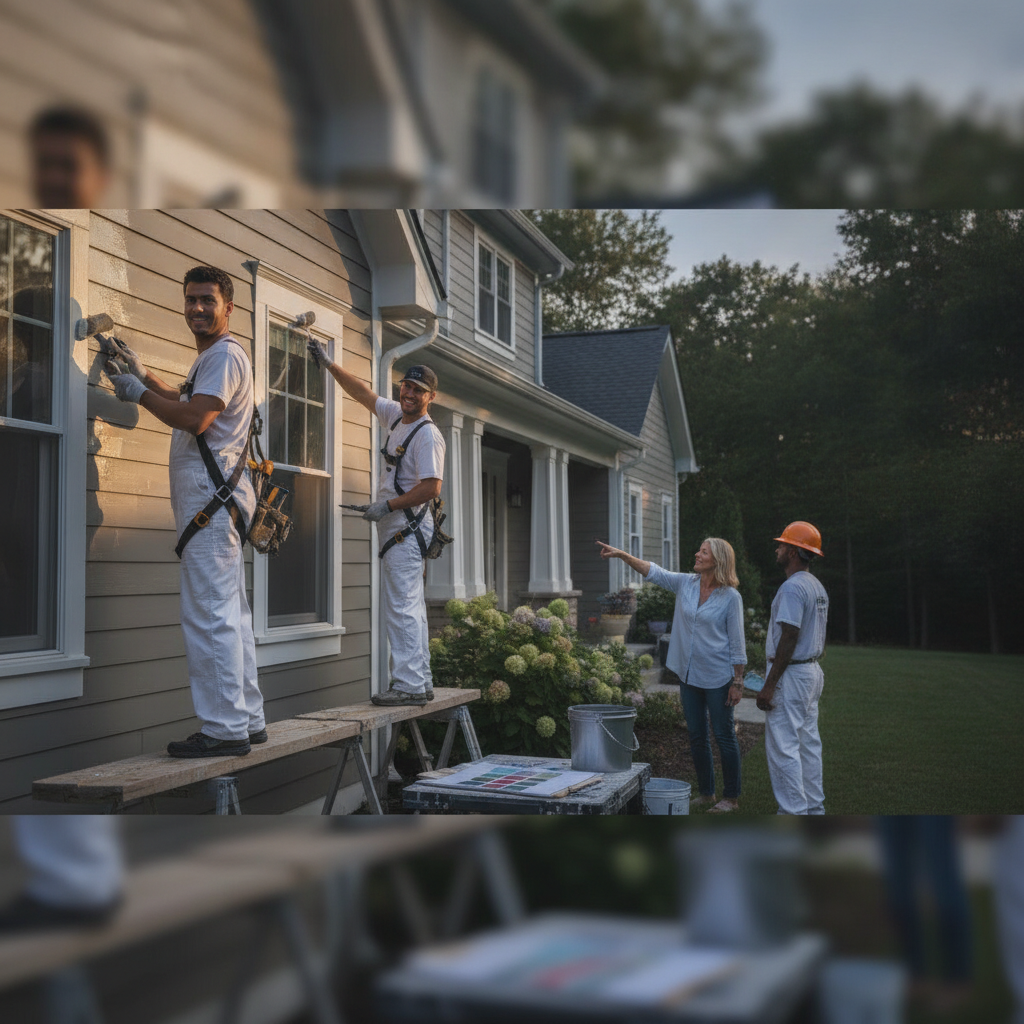
Exterior painting is one of the biggest visual upgrades you can give your house, but the hiring process is still riddled with phone‑tag, vague estimates, and hidden fees. This guide walks you through everything you need to know—costs, timing, vetting, and the exact workflow that finally eliminates the old‑school frustrations.
Introduction
You’ve just taken a photo of that peeling curb‑side trim, typed a quick description into a search box, and now you’re staring at a dozen phone numbers that lead to endless back‑and‑forth calls. The average homeowner wastes 4.3 hours on phone‑tag before even seeing a quote (Consumer‑Reports Home Service Friction Study 2022), and 68 % list that as their top pain point.
In Boston, a typical 2,000‑sq‑ft home costs $4‑$6 per square foot for a professional exterior paint job—yet the real cost often hides in the time you spend chasing contractors and the surprise fees that appear after the work starts. Traditional lead‑gen platforms (Angi, Thumbtack) charge providers $10‑$200 per lead, forcing contractors to pass those expenses onto you, the homeowner.
What if you could skip the phone‑tag, get clear, side‑by‑side quotes, and pay only when the job is done? That’s exactly what the AI‑native workflow of PLMBR delivers. Read on to learn how to protect your budget, choose the right pro, and let technology handle the messy parts.
What Homeowners Need To Know About Exterior Painting
Exterior painting is more than a fresh coat of color; it protects your structure from weather, insects, and UV damage. Here are the fundamentals you should understand before you start reaching out to pros:
- Surface preparation matters – Scraping, sanding, and power‑washing can add 15‑30 % to total labor time but dramatically extend paint life.
- Quality of paint – Premium 100% acrylic latex paints (e.g., Sherwin‑Williams Duration) cost about $30‑$45 per gallon and last 10‑15 years, while cheaper latex options may need repainting in 5‑7 years.
- Weather windows – Paint needs at least 24 hours of dry, mild weather (50‑85°F) to cure properly. In the Northeast, the optimal window is late May through early September.
- Milestones & progress billing – For jobs over $5,000, a phased payment schedule (prep, paint, cleanup) protects both parties and keeps cash flow healthy.
Understanding these elements lets you evaluate quotes on apples‑to‑apples terms instead of being swayed by “lowest price” pitches.
Cost / Risk / Hiring Reality
Below is a snapshot of typical costs and risk factors for exterior painting projects in the New England market. Numbers are averages drawn from PLMBR pricing data (2024) and industry reports.
| Item | Typical Range (USD) | What It Covers | Common Risk |
|---|---|---|---|
| Paint material | $1,200 – $3,000 (30‑50 gal) | Premium acrylic latex, primers | Low‑quality paint leads to premature fade |
| Labor (prep + paint) | $2,500 – $5,500 | Surface prep, two‑coat application, cleanup | Incomplete prep = peeling after 2‑3 years |
| Travel & setup | $150 – $400 | Mobilizing crew, equipment | Hidden “travel surcharge” in vague quotes |
| Permits (if required) | $0 – $200 | Local historic district approvals | Failure to secure can cause fines |
| Escrow & payment protection | 0% fee (via Stripe Connect) | Funds held until homeowner confirms completion | No escrow = risk of non‑completion or over‑billing |
| Lead‑fee cost to contractor | $10 – $200 per lead (Thumbtack/Angi) | Not billed to you, but passed on | Inflates final price without adding value |
Scroll to see all columns →
Key takeaway: The biggest hidden cost isn’t the paint itself—it’s the inefficiency of the traditional hiring workflow.
How To Vet Providers Without Getting Burned
A reliable exterior painter should be easy to verify, transparent about scope, and backed by solid insurance. Follow this checklist:
- Licensing & registration – Verify the contractor’s state license on your local Department of Consumer Affairs site (e.g., Massachusetts Home Improvement Contractor Registry).
- Insurance proof – Ask for a Certificate of Liability and Workers’ Compensation; confirm coverage dates are current.
- Portfolio & references – Request photos of recent jobs similar to yours and speak to at least two past clients.
- Online reputation – Look beyond the five‑star rating; read detailed reviews on the Better Business Bureau (BBB) and watch for patterns of complaints about “hidden fees” or “unfinished work.”
- Detailed quote – Insist on a line‑item quote that breaks down prep, priming, paint, labor, and cleanup. Anything missing is a red flag.
Pro‑Tip: Ask the contractor to explain how they handle weather delays. A professional will have a clear contingency plan rather than a vague “we’ll work around it” statement.
Where The Old Workflow Breaks
| Step | Typical Pain Point | Why It Happens |
|---|---|---|
| Intake | Homeowner describes issue → multiple phone calls, repeated clarification | No structured intake; each contractor asks the same questions |
| Matching | Platform shows dozens of “leads” with little relevance | Keyword‑based search, not semantic; leads are often unqualified |
| Quoting | Vague estimate (“$3,000‑$5,000”) with hidden add‑ons | Contractors protect margins by under‑quoting |
| Communication | Phone‑tag, email threads, missed messages | No centralized thread, no status visibility |
| Payment | Up‑front full payment or cash‑only | No escrow, high risk of non‑completion |
| Dispute | Homeowner discovers unfinished prep after paint dries | No documented evidence, no mediation channel |
Scroll to see all columns →
These breakdowns are why homeowners end up with surprise bills and unfinished jobs, while contractors complain about “dead leads” and costly lead‑gen subscriptions.
How PLMBR Changes This Workflow
PLMBR replaces the fragmented process with an AI‑driven, end‑to‑end workflow:
- Conversational AI Intake – Upload a photo and a simple description; the AI identifies the trade (exterior painting), your location, and urgency, then asks only the follow‑up questions that truly improve match quality.
- Semantic Search & Matching – Using vector embeddings, PLMBR surfaces only providers who meet your distance, rating, and availability criteria—eliminating irrelevant leads.
- AI Agent Outreach (Premium) – A personal AI agent contacts multiple vetted painters simultaneously, tracks each response, and surfaces the status in a single dashboard. No more chasing voicemail.
- Booking Packet Comparison – Each provider’s AI‑generated packet includes line‑item pricing, prep steps, paint brand, milestone dates, and terms. You can compare them side‑by‑side on the Compare quotes on PLMBR page.
- Escrow‑Backed Payments – Funds are authorized via Stripe and held until you confirm completion of each milestone. Progressive billing is built into the chat, so you only pay for work that’s actually done.
- In‑Context Dispute Resolution – If a scope drift occurs, you file a dispute directly within the conversation thread; the AI compiles evidence and suggests a resolution, cutting the need for lawyers.
All of this lives inside a single messaging thread—no scattered emails, no phone tag, and zero lead fees for the contractor, which translates into a cleaner price for you.
Questions To Ask Before Hiring
| Category | Sample Question |
|---|---|
| Scope & Prep | “What surface preparation steps will you take, and how is that reflected in the quote?” |
| Paint Choice | “Which paint brand and finish do you recommend for New England weather, and why?” |
| Timeline | “What is the projected start‑to‑finish timeline, and how do you handle weather delays?” |
| Milestones & Billing | “Can you break the payment into prep, paint, and cleanup phases?” |
| Warranty | “What warranty do you provide on labor and materials, and how is it documented?” |
| Insurance & Licensing | “May I see your current liability insurance and state contractor license?” |
| Reference Proof | “Can you share photos of a recent exterior paint job on a similar‑size home?” |
Scroll to see all columns →
Having these answers in writing—ideally inside a PLMBR booking packet—gives you leverage and peace of mind.
Conclusion
Exterior painting should protect your home and boost curb appeal, not become a marathon of phone calls and surprise invoices. By understanding the true cost components, vetting contractors rigorously, and recognizing where the traditional workflow fails, you can avoid the most common pitfalls.
PLMBR’s AI‑native platform removes the friction points: structured quotes, escrow‑protected payments, and an AI agent that does the outreach for you. The result is a faster, clearer, and safer hiring experience—so you can focus on picking the perfect color, not chasing the right contractor.
Ready to try a smarter way to hire?
- Visit the PLMBR homepage to see the platform in action.
- Browse vetted Exterior Painting pros on PLMBR for your city.
- Use the built‑in Compare quotes on PLMBR tool to evaluate line‑item packets side‑by‑side.
Your home deserves a flawless finish—let technology handle the hassle.
Further Reading & Resources
- Environmental Protection Agency (EPA) – Paint and Coating Regulations – Guidance on low‑VOC paints and safe disposal.
- Better Business Bureau – Home Services Tips – How to spot scams and verify contractors.
- This Old House – Exterior Painting Preparation Guide – Step‑by‑step prep checklist.
- National Association of the Remodeling Industry (NARI) – Contractor Licensing – Overview of licensing requirements across states.