
The Homeowner’s Complete Guide to Hiring an Interior Painter – Without the Phone‑Tag, Vague Quotes, or Lead‑Fee Scams
Interior painting is one of the biggest aesthetic upgrades you can make to a home, but the hiring process is notoriously painful. In this guide we break down…
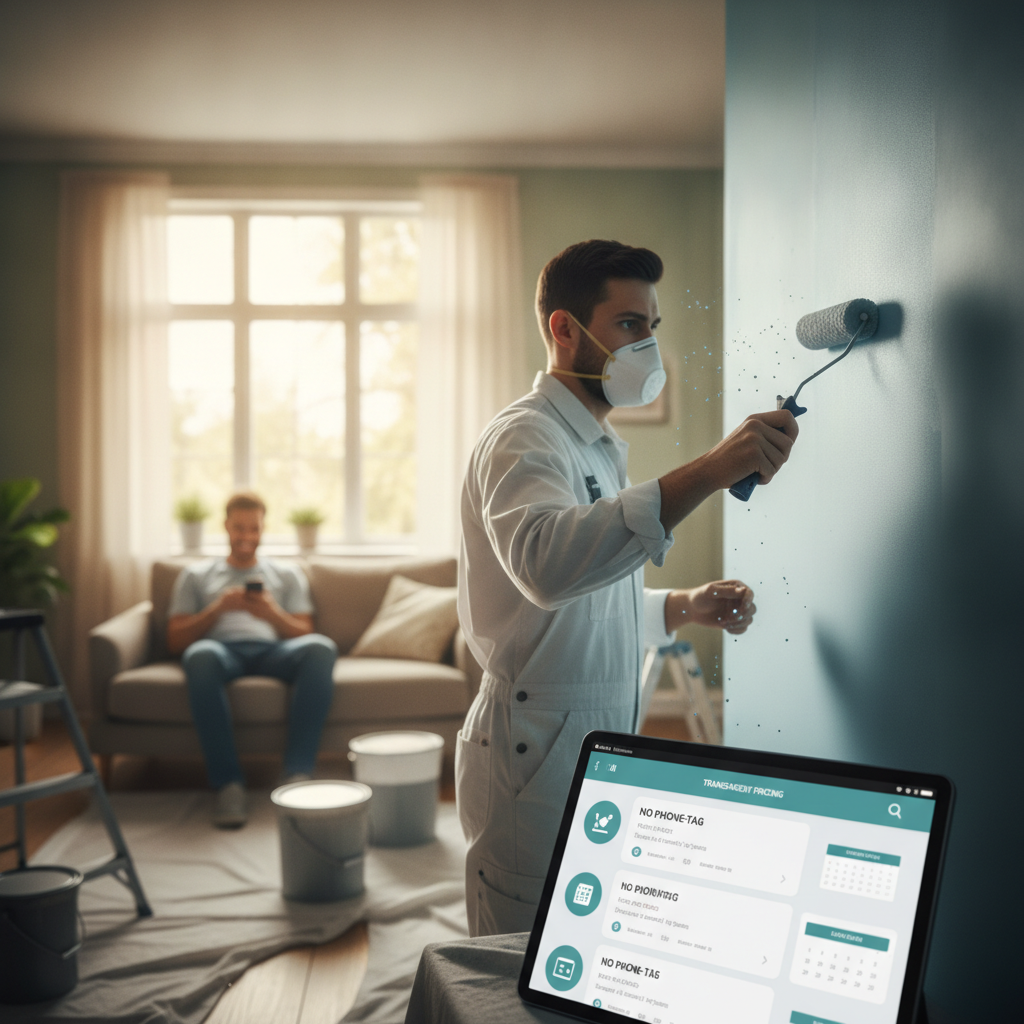
Interior painting is one of the biggest aesthetic upgrades you can make to a home, but the hiring process is notoriously painful. In this guide we break down exactly what you need to know, how to avoid hidden costs, and why the AI‑native platform PLMBR is changing the game.
Introduction
Imagine you’ve just bought a sleek, modern apartment in Boston. The walls are a bland off‑white, and you know a fresh coat of color will make the space feel like home. You spend an evening scrolling through lead‑generation sites, paying $30‑$80 per lead on platforms like Thumbtack, only to get a handful of “dead” leads that never return your call. After weeks of phone‑tag, you finally receive a vague estimate: “$2,500‑$4,500, depending on the job.” The project starts, the painter asks for extra hours, and you’re left with a surprise bill that blows past your budget.
You’re not alone. The interior‑painting market is projected to reach $31 B by 2035 (a 4.6 % CAGR) while a 30 % skilled‑labor shortage is already limiting capacity in high‑value markets like New York City and Philadelphia. At the same time, pay‑per‑lead services charge contractors $10‑$100+ per lead, often delivering low‑quality contacts that create endless follow‑up loops.
The result? Homeowners waste time, money, and peace of mind, and painters lose margins to hidden fees. The solution lies in an AI‑first, workflow‑centric platform that eliminates dead leads, provides line‑item booking packets, and secures payments in escrow. That’s exactly what PLMBR does.
Below is a step‑by‑step, data‑driven guide to help you hire the right interior painter, protect your budget, and understand how modern technology is finally fixing a broken industry.
What Homeowners Need To Know About Interior Painting
| Aspect | What It Means for You | Typical Numbers (U.S.) |
|---|---|---|
| Scope of Work | Includes surface prep, priming, two coats, cleanup, and minor repairs (holes, nail pops). | 1,500 sq ft home → 8‑10 hours of prep + 12‑15 hours of painting. |
| Material Costs | Paint quality, primer, and specialty finishes drive price. Low‑VOC paints are now the norm for health‑conscious buyers. | Low‑VOC paint ≈ $30‑$45 / gal; premium textured finish ≈ $60‑$80 / gal. |
| Labor Rates | Vary by city, trade skill, and demand. | NYC/Boston average labor ≈ $45‑$70 / hour. |
| Typical Project Cost | Depends on square footage, ceiling height, and finish level. | $2,500‑$5,500 for a 1,500 sq ft single‑family home; premium finishes add 20‑40 %. |
| Regulatory Considerations | VOC limits (EPA), safety standards (OSHA), and local licensing are mandatory. | EPA VOC limit for interior paints: ≤ 250 g/L (most states). |
| Timeline | Most interior jobs finish in 3‑7 days, but prep and curing can extend total time. | Average turnaround: 5 days (including prep & cleanup). |
Scroll to see all columns →
Key takeaway: Knowing the components that make up a paint job lets you compare quotes intelligently, rather than relying on a single “ballpark” number.
Cost / Risk / Hiring Reality
Below is a realistic cost breakdown for a typical 1,500 sq ft interior painting project in the Northeast. All figures are USD and reflect 2024‑2025 market data.
| Item | Low‑End Estimate | High‑End Estimate | Notes |
|---|---|---|---|
| Surface preparation (cleaning, sanding, patching) | $400 | $900 | Includes minor drywall repair. |
| Primer (2‑coat) | $250 | $500 | Low‑VOC, 1‑gal coverage ≈ 350 sq ft. |
| Paint (2‑coat, standard finish) | $600 | $1,200 | 1‑gal ≈ 350 sq ft; premium finishes cost more. |
| Labor (hourly) | $1,800 | $2,800 | 40‑40 hrs @ $45‑$70/hr. |
| Cleanup & disposal | $150 | $300 | Includes drop cloths, tape, waste removal. |
| Total (excluding taxes/fees) | $3,200 | $5,700 | Aligns with industry average. |
| Typical lead‑gen fee (if using Thumbtack/Angi) | $30‑$100 per lead | $200+ per qualified lead | Often paid in addition to the above costs. |
| Escrow‑backed payment protection (PLMBR) | $0 fee for homeowner | $0 fee for homeowner | Funds held until work is verified as complete. |
Scroll to see all columns →
Pro Tip: Always request a line‑item quote that separates prep, paint, labor, and cleanup. This transparency makes it easier to spot hidden mark‑ups and negotiate only the items you truly need.
How To Vet Providers Without Getting Burned
-
Check Licensing & Insurance
- Verify state contractor licensing (e.g., New York Department of State License Search).
- Ensure liability insurance and workers’ comp are current; ask for a certificate of coverage.
-
Read Verified Reviews, Not Star Ratings Alone
- Look for detailed reviews that mention prep quality, cleanliness, and timeline adherence.
- Avoid platforms that allow only “5‑star” testimonials; they often filter out negative feedback.
-
Ask for a Structured Booking Packet
- A booking packet should list every scope item, material type, labor hours, and payment schedule.
- Compare at least two packets side‑by‑side to see where costs diverge.
-
Confirm Availability Through Calendar Sync
- Reputable painters will sync their availability with Google Calendar or Outlook, which improves match ranking in AI‑driven searches.
-
Validate Past Work
- Request photos of completed jobs (preferably recent).
- If possible, visit a current job site to see the crew in action.
-
Use an AI‑assisted Platform
- Platforms like PLMBR automatically vet providers, surface licenses, and generate structured quotes, removing the guesswork.
Where The Old Workflow Breaks
| Broken Step | Homeowner Pain | Provider Pain | Why It Happens |
|---|---|---|---|
| Phone‑Tag | Hours wasted chasing answers; missed deadlines. | Lost productivity; leads go cold. | Manual outreach and lack of unified inbox. |
| Vague Estimates | “$3,000‑$5,000” leaves no budgeting certainty. | Hard to differentiate from competitors; leads to price‑wars. | No structured quoting tool; reliance on word‑of‑mouth pricing. |
| Escrow‑Free Payments | Pay upfront, worry about unfinished work. | Chase payments, risk non‑payment. | Traditional platforms lack integrated payment flow. |
| Lead Fees | Homeowners indirectly pay via higher prices. | Contractors lose 5‑15 % of revenue per lead. | Pay‑per‑lead business model forces hidden costs. |
| Dead Leads | Time spent on homeowners who never schedule. | Low conversion, wasted marketing spend. | Poor lead qualification and no AI‑based matching. |
| Dispute Resolution | No clear path; arguments become legal. | Reputation damage, delayed payouts. | No in‑context dispute system. |
Scroll to see all columns →
These inefficiencies are systemic: they stem from legacy “directory + lead‑gen” models that treat the homeowner‑provider relationship as a transaction rather than a workflow.
How PLMBR Changes This Workflow
-
Conversational AI Intake – Homeowners describe the paint job in plain English (with photos). The AI instantly identifies trade, urgency, and location, then asks only the follow‑up questions that truly improve match quality.
-
Semantic Search & Matching – Using vector embeddings, PLMBR matches you with vetted painters who have the right skill set, distance, and availability—eliminating dead leads.
-
AI‑Generated Booking Packets – Within minutes, the platform creates a line‑item packet that includes prep, primer, paint type (low‑VOC options highlighted), labor hours, and a detailed payment schedule.
-
In‑Context Messaging – All communication lives in a single thread. The booking packet appears as an inline card, and you can ask clarifying questions without leaving the chat.
-
Escrow‑Backed Payments – Funds are authorized via Stripe and held until you confirm the work is complete. For larger jobs, progressive billing releases payments milestone‑by‑milestone.
-
AI Seeker Agent (Premium) – An optional AI agent reaches out to multiple painters simultaneously, tracks each provider’s response status, and notifies you only when a packet is ready for review.
-
Zero Lead Fees – Providers only pay a modest platform fee on completed jobs, aligning incentives and removing hidden cost layers for homeowners.
-
Dispute Mediation – If a disagreement arises, the AI‑mediated dispute system compiles evidence, suggests resolutions, and escalates only if needed.
Result: A frictionless, transparent workflow where the homeowner controls the process, and the painter receives qualified, ready‑to‑book jobs without paying per‑lead fees.
Questions To Ask Before Hiring
-
What is included in your booking packet?
- Look for prep, primer, paint brand, number of coats, and cleanup.
-
Do you use low‑VOC paints? (Check EPA guidelines)
-
Can you provide proof of licensing, insurance, and workers’ comp?
-
How do you handle payment?
- Verify that an escrow or progressive billing system is in place.
-
What is your projected timeline and how do you manage schedule changes?
-
Do you offer a warranty or guarantee on workmanship?
-
How do you handle disputes or unsatisfactory work?
-
Can you share recent project photos and references?
Having these answers in a structured booking packet makes it easy to compare multiple providers side‑by‑side on PLMBR’s Compare quotes page.
Conclusion
Hiring an interior painter shouldn’t feel like navigating a maze of phone calls, vague estimates, and hidden fees. The data is clear: the interior‑painting market is booming, but outdated lead‑generation models are draining both homeowner budgets and contractor margins.
By leveraging AI‑driven intake, semantic matching, structured booking packets, and escrow‑backed payments, PLMBR turns a chaotic process into a streamlined workflow—giving you transparent pricing, qualified painters, and peace of mind.
Ready to paint your home without the stress?
- Visit the PLMBR homepage to learn more.
- Find Interior Painting pros on PLMBR and start a conversation today.
- Compare quotes on PLMBR to see side‑by‑side line‑item packets.
- For more expert guides, explore Read more home service guides.
Your walls deserve a fresh look—your hiring process deserves a modern solution.
References
- Interior Wall Paint Market Outlook (2026‑2035) – Business Research Insights
https://www.businessresearchinsights.com/market-reports/interior-wall-paint-market-124767 - HIRI – Purchasing Trends in Paint & Coatings (2024)
https://www.hiri.org/blog/market-watch-trends-paint-industry - GlassHouse – Residential Painting Lead Generation (2025)
https://www.glasshousepro.com/blog/how-to-get-painting-leads - EPA – Volatile Organic Compounds (VOC) Regulations
https://www.epa.gov/indoor-air-quality-iaq/volatile-organic-compounds-impact-indoor-air-quality - OSHA – Construction Industry Safety and Health
https://www.osha.gov/construction - National Association of the Remodeling Industry (NARI)
https://www.nari.org - This Old House – Painting Tips & Best Practices
https://www.thisoldhouse.com/painting