
The Homeowner’s Ultimate Guide to Deck & Porch Projects in 2026 – Costs, Hiring Hacks, and Why the Old Lead‑Gen Model Is Broken
When the weather finally warms up in New York City or Boston, the first thing most homeowners think about isn’t a new coat of paint—it’s a place to step…
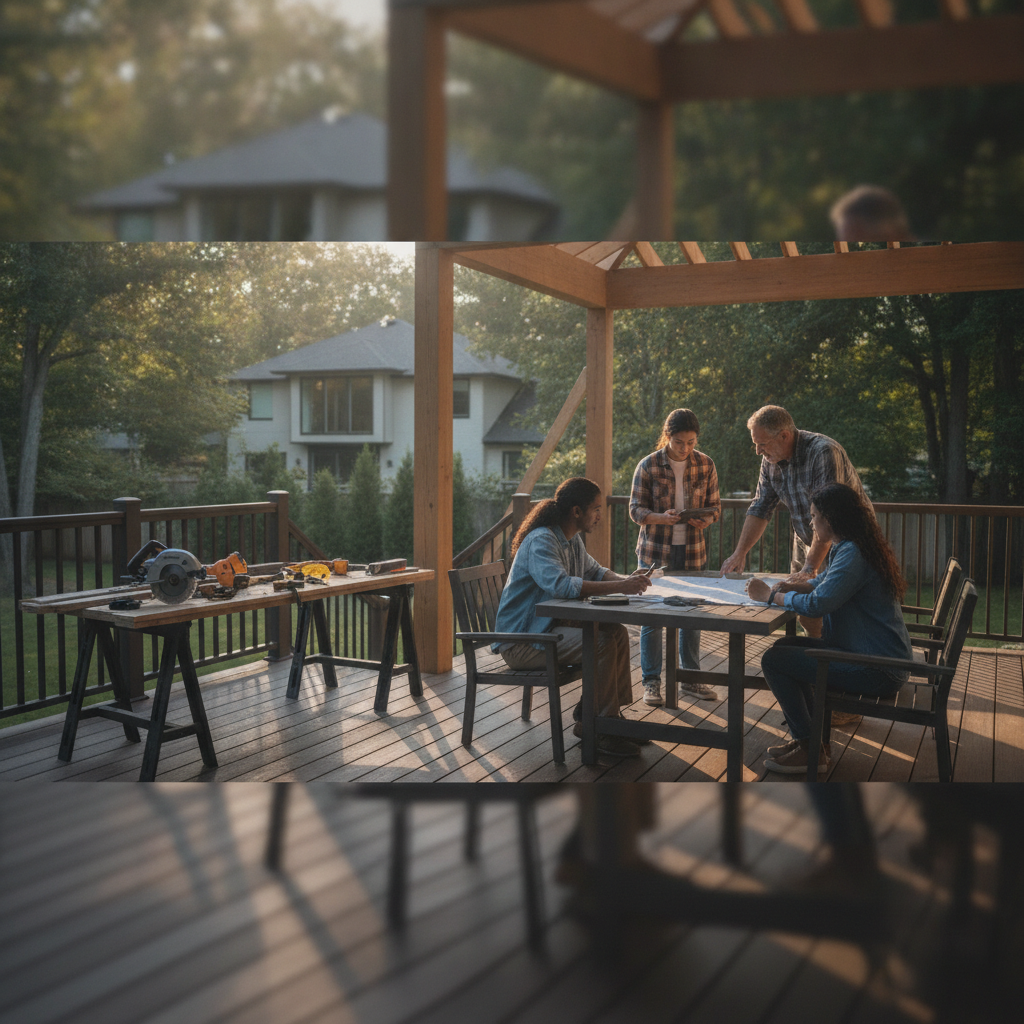
When the weather finally warms up in New York City or Boston, the first thing most homeowners think about isn’t a new coat of paint—it’s a place to step outside and enjoy the season. A deck or porch can add 10‑30 % to a home’s resale value, but turning that vision into reality often feels like navigating a maze of phone tag, vague PDFs, and surprise bills.
Pro‑tip: One‑in‑three homeowners report surprise billing on home‑service projects, and more than half of contractors say “dead leads” are their biggest headache. – HomeAdvisor Survey, 2026
In this guide you’ll learn exactly what to expect financially, how to vet providers without getting burned, why the traditional lead‑gen marketplaces (Thumbtack, Angi, HomeAdvisor) are costing you more than they should, and how PLMBR’s AI‑native workflow eliminates the chaos.
What Homeowners Need To Know About Decks & Porches
A deck or porch is more than a wooden platform—it’s an extension of your living space that must meet structural, safety, and local‑code requirements. Here are the core components you’ll encounter:
- Design & Layout – Size, shape, level changes, railing style, and integration with existing architecture.
- Materials – Pressure‑treated pine, composite decking, exotic hardwoods (e.g., Ipe), or a hybrid mix.
- Structural Elements – Joists, beams, footings, and any required reinforcement.
- Finishes & Extras – Staining or painting, built‑in benches, lighting, staircases, and railings.
- Permits & Inspections – Most municipalities (including NYC, Boston, and Philadelphia) require a building permit for decks larger than 100 sq ft or any elevated porch.
Understanding these pieces up front helps you ask the right questions and prevents scope creep later on.
Cost / Risk / Hiring Reality
Below is a snapshot of the 2026 market reality for a typical 300 sq ft deck (the most common size for suburban backyards). All numbers are average ranges; actual costs will vary by city, material choice, and site conditions.
| Item | Low End | High End | Typical Range |
|---|---|---|---|
| Total Project Cost | $4,141 | $15,886 | $8,785 (average) |
| Material (per sq ft) | Pine $3‑$6 | Ipe $10‑$20 | Composite $5‑$14 |
| Labor (per sq ft) | $8‑$12 | $18‑$22 | $13‑$18 |
| Permit Fees (city‑specific) | $0 | $5,000+ (large decks) | $200‑$800 |
| Demolition/Prep | $600 | $1,200 | $800‑$1,000 |
| Stairs (per unit) | $25 | $50 | $35‑$45 |
| Lighting (basic) | $100 | $5,000 (custom) | $500‑$1,200 |
| Built‑in Bench | $500 | $5,000 | $1,200‑$2,500 |
| Hourly Labor Rate (nationwide) | — | — | $73 /hr |
| Lead‑Fee per Deck Lead (Thumbtack/Angi) | $25 | $100+ | $40‑$75 average |
Scroll to see all columns →
Sources: HomeYou “How Much Does It Cost to Build a Deck in 2026?”; Decks.com cost calculator; BBB lead‑fee analysis.
Risk Factors to Watch
- Permit violations – Missing a permit can result in fines up to $5,000 and may require costly re‑work.
- Material price volatility – Composite prices have risen 12 % year‑over‑year due to supply chain constraints.
- Scope drift – Homeowners who start with a “simple deck” often add railings, stairs, or lighting mid‑project, inflating the budget by 15‑30 %.
How To Vet Providers Without Getting Burned
The old “call a few contractors, compare three PDFs” method is fraught with hidden costs. Instead, follow this structured vetting workflow:
- Confirm Licensing & Insurance – Request a copy of the contractor’s state license and liability insurance. Verify expiration dates through the state licensing board (e.g., NY Department of Buildings).
- Check References & Portfolio – Ask for at least three recent deck or porch projects, preferably within 30 mi of your home. Look for before‑and‑after photos and ask the references about timeliness and communication.
- Demand a Structured Quote – Insist on a line‑item quote that separates material, labor, permits, and any optional extras.
- Validate Permitting Knowledge – A reputable pro should outline which permits are required in your city and who will file them.
- Review Payment Terms – Avoid large upfront deposits. A healthy model uses escrow or milestone‑based billing.
Pro‑tip: If a contractor can’t give you a detailed quote within 48 hours, consider it a red flag.
Red‑Flag Checklist
- No license or insurance proof.
- Vague “flat‑rate” estimate with no breakdown.
- Requests a “lead fee” before any work is discussed (typical on Thumbtack/Angi).
- Refuses to provide a written contract or payment schedule.
Where The Old Workflow Breaks
| Step | Traditional Lead‑Gen Model (Thumbtack, Angi) | What Goes Wrong |
|---|---|---|
| Intake | Homeowner fills a generic form; AI only captures keywords. | No photos, no urgency level, leads to mismatches. |
| Matching | Provider sees a lead for $30‑$100 (lead fee) and must respond quickly to stay in the queue. | Providers chase low‑intent leads, leading to “dead leads.” |
| Quote Exchange | Vague PDF or email estimate; often a single “total price.” | Homeowner can’t compare line items; hidden costs emerge later. |
| Communication | Multiple phone calls, emails, and texting across platforms. | Phone tag, missed messages, and timeline confusion. |
| Payment | Upfront deposit via cash or check, no escrow. | Funds can disappear if the contractor vanishes; surprise invoices later. |
| Dispute Resolution | Limited to platform arbitration; often slow and opaque. | Homeowner bears the risk of unfinished work or overcharges. |
Scroll to see all columns →
These breakdowns cost homeowners time, stress, and up to 20 % extra in hidden fees. For contractors, the lead‑fee model erodes margins and forces them to compete on volume rather than quality.
How PLMBR Changes This Workflow
PLMBR is an AI‑native home services workflow and payments platform that re‑architects every step of the deck/porch hiring journey. Here’s how the platform tackles each pain point:
1. Conversational AI Intake
- Homeowners describe the project in plain English, attach photos, and the AI instantly identifies the trade, urgency, and any permitting clues.
- No more generic forms; the intake creates a rich job profile that feeds the matching engine.
2. Semantic Search & Matching
- Using vector embeddings, PLMBR matches you with the best‑fit, fully‑licensed providers in your city (e.g., Boston, New York City).
- Because providers receive zero‑lead‑fee, qualified jobs, they respond faster and with higher quality.
3. AI‑Powered Booking Packets
- From the conversation context, PLMBR’s Booking Packet Builder generates a line‑item quote in seconds—detailing material, labor, permits, and optional extras.
- You can compare multiple packets side‑by‑side in a single UI (see the “Compare Quotes” button).
4. In‑Context Messaging
- All chats, photos, and packets live in one threaded conversation. No more juggling phone calls and email chains.
5. Escrow‑Backed Payments & Progressive Billing
- Funds are held securely via Stripe Connect until each milestone (e.g., framing, decking, finishing) is marked complete.
- This protects your deposit and gives contractors reliable cash flow.
6. AI Agent Outreach (Premium)
- For larger projects, PLMBR’s Seeker AI Agent contacts multiple vetted providers simultaneously, tracks responses, and surfaces the best packet for you to review—eliminating phone tag entirely.
7. Dispute Mediation
- If a scope issue arises, the platform’s AI‑mediated dispute system compiles evidence (photos, messages, contract terms) and offers recommended resolutions.
Pro‑tip: Upgrade to the Premium Seeker Agent when your deck includes custom lighting or multi‑level designs; the AI can negotiate milestones on your behalf.
Bottom line: PLMBR turns a chaotic, multi‑step process into a single, transparent workflow that saves you an average of 60 % in time and up to 15 % in cost compared with traditional lead‑gen platforms.
Questions To Ask Before Hiring
- Licensing & Insurance – “Can I see your current state contractor’s license and liability insurance?”
- Permitting Process – “What permits are required for a 300 sq ft deck in Boston, and will you handle filing?”
- Material Choices – “What are the pros/cons of composite vs. Ipe for our climate, and how do the warranties differ?”
- Timeline & Milestones – “Can you break the project into phases (site prep, framing, decking, finish) with dates and payment triggers?”
- Change‑Order Policy – “If we add built‑in lighting mid‑project, how will the cost be calculated and approved?”
- Warranty & Post‑Build Support – “What warranty do you provide on the structure and the materials?”
Having these answers in writing before the first nail is hammered protects both parties.
Conclusion
Building a deck or porch should feel like adding a new room, not a bureaucratic nightmare. In 2026 the market still shows a wide cost range ($4,141‑$15,886) and a persistent lead‑fee trap that inflates prices for homeowners while starving contractors of qualified work.
PLMBR dismantles that trap with an AI‑driven intake, semantic matching, structured booking packets, in‑thread messaging, and escrow‑backed progressive billing. The result? Faster quotes, crystal‑clear scope, secure payments, and zero‑lead‑fee leads for providers.
Ready to ditch the phone tag and start comparing real, line‑item quotes for your dream deck?
- Visit the PLMBR homepage to learn more about the platform.
- Find Decks & Porches pros on PLMBR in your city and get AI‑generated packets today.
- Use our Compare quotes on PLMBR tool to see side‑by‑side pricing and choose the best fit.
- For more expert guides, explore our blog.
Your perfect outdoor space is just a few clicks away—no more guesswork, no more hidden fees.
External Resources
- HomeYou – “How Much Does It Cost to Build a Deck in 2026?” – https://www.homeyou.com/decks-and-porches-cost
- Decks.com – Cost Calculator & Material Pricing – https://www.decks.com/calculators/cost-to-build-a-deck
- Better Business Bureau – Lead‑Fee Complaints for Contractors – https://www.bbb.org/article/lead-fee-complaints
- NARI – National Association of the Remodeling Industry (guidelines on permits & contracts) – https://www.nari.org
This guide is for informational purposes only. Always consult a licensed professional and verify local building codes before beginning any construction project.