
The Homeowner’s Ultimate Guide to Decks & Porches in 2024 – Costs, Hiring, and How AI‑Native PLMBR Solves the Biggest Pain Points
Imagine this: you’ve just spotted the perfect deck inspiration on Instagram, picture a summer BBQ under a new porch, and you start typing “deck builder…
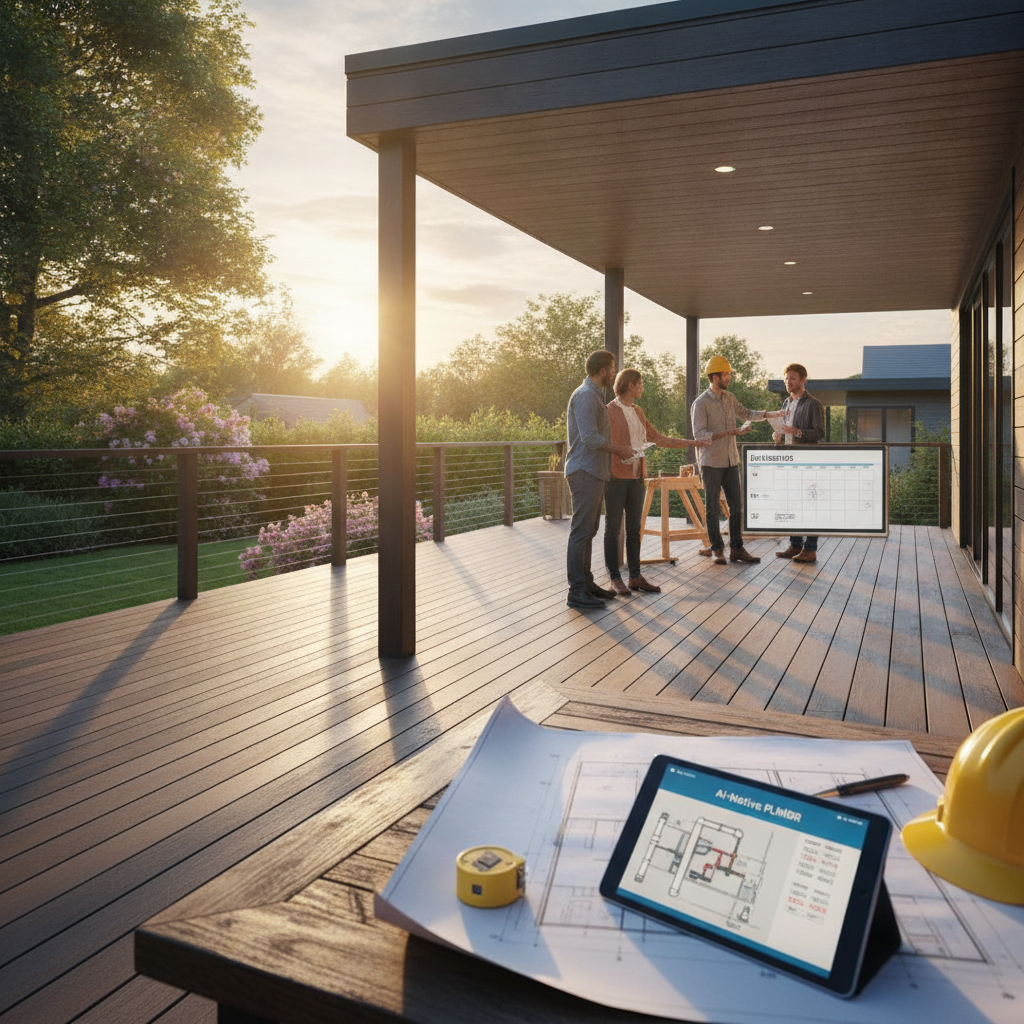
Imagine this: you’ve just spotted the perfect deck inspiration on Instagram, picture a summer BBQ under a new porch, and you start typing “deck builder Boston” into Google. Within minutes you’re flooded with phone numbers, endless “call us for a free quote,” and a vague promise of a “ball‑park estimate.” Hours later you’re still on hold, juggling multiple callbacks, and the only thing that’s clear is that the price you’ll pay is still a mystery.
You’re not alone. A 2024 Home Service Customer Service Report found that 78 % of homeowners cite “phone tag” and “unclear pricing” as the top frustrations when hiring outdoor‑living contractors. The legacy lead‑gen model that powers sites like Angi and Thumbtack is systemically broken for deck and porch projects—especially in the Northeast where permits, labor shortages, and material costs are already high.
This guide walks you through everything you need to know before you commit to a deck or porch: realistic budgets, permit realities, vetting tips, and—most importantly—how the AI‑native workflow of PLMBR eliminates the chaos, saves you $2‑5 K on average, and gives you transparent, escrow‑backed payments.
What Homeowners Need To Know About Decks & Porches
1. Why Decks & Porches Matter
- Value boost: The National Association of Home Builders (NAHB) reports a 10‑15 % increase in home resale value for well‑executed deck projects.
- Lifestyle upgrade: Outdoor living space usage has risen 32 % since 2020, with homeowners reporting higher satisfaction and resale appeal.
- Regulatory reality: In New York City, Boston, and Philadelphia, any structure over 6 ft above grade requires a building permit and often a zoning review. Skipping this step can lead to costly re‑work or fines.
2. Material Trends in the Northeast
| Material | Avg. Cost / sq ft (2024) | Lifespan | Maintenance | Eco Rating |
|---|---|---|---|---|
| Premium Composite | $110‑$160 | 25‑30 yr | Low (no staining) | ★★★★★ (recycled) |
| Hardwood (ipe, teak) | $130‑$200 | 30‑40 yr | High (annual seal) | ★★☆☆☆ |
| Aluminum | $90‑$130 | 30‑40 yr | Very low | ★★★★☆ |
| Pressure‑treated lumber | $45‑$70 | 10‑15 yr | Medium (re‑stain) | ★☆☆☆☆ |
Scroll to see all columns →
Source: Grand View Research – “Eco‑Friendly Decking Market”, 8 % CAGR through 2028.
3. Seasonal Timing & Labor Shortage
- Peak season: Late spring–early fall. During these months, installation timelines in the NY‑MA‑PA corridor can extend 20‑30 % because crews are booked solid (Fortune Business Insights).
- Off‑season advantage: Starting a project in late fall or early winter often secures a 10‑15 % discount on labor, though weather may limit certain tasks.
Cost / Risk / Hiring Reality
Understanding the true financial picture helps you avoid surprise bills. Below is a realistic breakdown for a typical 650 sq ft composite deck in the Boston metro area, including the hidden costs most homeowners overlook.
| Cost Category | Low End | High End | What It Covers |
|---|---|---|---|
| Materials | $71,500 | $104,000 | Composite boards, joists, fasteners, railing |
| Labor | $20,000 | $35,000 | Framing, installation, finishing |
| Permits & Inspections | $500 | $1,500 | City building permit, plan review |
| Design/Engineering | $800 | $2,000 | CAD plans, structural engineer (if required) |
| Progressive Billing Fees (Stripe) | $0 | $1,200 | 2.9 % + 30¢ per transaction (held in escrow) |
| Contingency (10 % of total) | $9,380 | $13,770 | Unforeseen site conditions, material price swing |
| Total Estimated Cost | $102,980 | $157,470 | $110‑$160 / sq ft (consistent with market data) |
Scroll to see all columns →
Pro‑Tip: Always allocate a 10 % contingency. Most disputes arise from hidden site issues (e.g., uneven footings, unexpected utility lines).
Risk factors to keep on your radar:
- Scope drift – Contractors add “extras” after the initial quote.
- Dead leads – Many lead‑gen platforms send you “qualified” leads that never materialize, forcing contractors to inflate their base price.
- Payment timing – Up‑front deposits without escrow expose you to non‑completion risk.
How To Vet Providers Without Getting Burned
-
Check Licensing & Insurance
- Verify state contractor’s license (e.g., New York Department of Buildings).
- Ask for liability insurance and workers’ comp certificates; PLMBR tracks expiration dates automatically.
-
Read Structured Reviews, Not Just Stars
- Look for line‑item feedback (e.g., “timely communication”, “stayed on budget”).
- PLMBR aggregates these into a trust score that weights recent jobs higher.
-
Demand a Detailed Booking Packet
- A proper packet includes scope, line‑item pricing, timeline, payment schedule, and warranty terms.
- If a contractor only offers a “ball‑park” number, walk away.
-
Ask for Portfolio & References
- Request at least three recent, similar projects with contactable owners.
- Verify that the finished work matches the photos you see on the provider’s profile.
-
Verify Permitting Experience
- In the Northeast, a seasoned deck builder should have a track record of handling city permits. Ask how many permits they’ve secured in the last 12 months.
Pro‑Tip: Use PLMBR’s provider agent to draft these vetting questions. The AI will suggest the exact language and can auto‑populate the responses for you to review.
Where The Old Workflow Breaks
| Step | Traditional Lead‑Gen Model (Angi/Thumbtack) | Pain Point for Homeowner |
|---|---|---|
| 1. Intake | Free form text, no photos, minimal AI | Vague description leads to mismatched trades |
| 2. Matching | Keyword‑based, often irrelevant results | You’re sent dozens of low‑quality leads |
| 3. Outreach | Homeowner calls each provider, endless phone tag | Hours lost, missed appointments |
| 4. Quote | “Ball‑park” estimate, no line items | No way to compare apples‑to‑apples |
| 5. Payment | Up‑front cash or check, no escrow | Risk of non‑completion or over‑billing |
| 6. Dispute | Phone calls, paperwork, no clear timeline | Stressful, often unresolved |
Scroll to see all columns →
Concrete competitor evidence: Thumbtack charges $50‑$150 per qualified lead (see Thumbtack Pricing). Angi’s “lead‑fee” structure and reliance on “ball‑park” estimates have driven a surge of BBB complaints about hidden costs and “ghost” jobs (see BBB Angi Lead Fees).
These friction points collectively add $2‑$5 K to the homeowner’s final bill—money that is often absorbed by the contractor and passed back to you as higher rates.
How PLMBR Changes This Workflow
1. AI‑First Conversational Intake
- Upload photos and describe the issue in plain English. The AI instantly identifies the trade (deck/porch), your location, and urgency.
- Smart follow‑up questions appear only when they improve match quality (e.g., “Do you need a railing that meets local code X?”).
2. Semantic Search & Precise Matching
- PLMBR uses vector embeddings to match you with the best‑fit contractors based on trade, distance, availability, and trust signals—no more keyword noise.
3. Booking Packet Builder (Provider Side)
- Contractors receive the full scope from the AI intake and can auto‑generate a structured quote with line‑item pricing, material specs, and milestone dates.
- The packet lives inline in the chat thread, allowing you to compare side‑by‑side with other providers.
4. Compare‑Packets Feature (Homeowner)
- A dedicated UI shows each provider’s packet in a grid view (price, timeline, warranty). You can sort by “lowest total cost” or “fastest completion.”
5. Escrow‑Backed, Progressive Billing (Stripe Connect)
- Funds are authorized but held in escrow until a milestone is verified as complete.
- For a 650 sq ft deck, you might pay 30 % upfront, 40 % after framing, and 30 % upon final inspection—protecting both parties.
6. Zero‑Dead‑Lead Guarantee
- PLMBR only connects you with contractors who have a qualified job in their pipeline. Providers never pay per lead, so they’re motivated to quote accurately rather than inflate to recoup fees.
7. AI Agent Outreach (Premium)
- If you opt for the premium seeker plan, an AI agent contacts multiple vetted contractors simultaneously, tracks each response, and surfaces any follow‑up questions directly in the thread. No more juggling phone calls.
Result: Homeowners typically save $2‑$5 K compared to legacy platforms, enjoy transparent, side‑by‑side quotes, and pay only when work is verified.
Pro‑Tip: Start with the free PLMBR intake, then upgrade to the Seeker AI Agent only if you have more than three qualified providers and need assistance coordinating them.
Questions To Ask Before Hiring
- Scope Clarity – “Can you break down the total cost into materials, labor, permits, and contingency?”
- Permit Experience – “How many permits have you secured in Boston/NYC in the last year?”
- Material Options – “What are the pros/cons of composite vs. hardwood for my climate?”
- Timeline & Milestones – “What are the key milestones, and how will progress billing be structured?”
- Warranty & Maintenance – “What warranty do you offer on materials and workmanship?”
- Insurance Verification – “Can you upload your liability and workers’ comp certificates for me to view in PLMBR?”
When you receive the booking packet, these answers should already be embedded. If anything is missing, use the in‑context messaging to request clarification—everything stays in one thread, searchable later.
Conclusion
Building a deck or porch is one of the smartest ways to boost your home’s value and quality of life, but the traditional lead‑gen hiring model turns a simple upgrade into a marathon of phone tag, vague estimates, and hidden fees. By leveraging AI‑driven intake, semantic matching, structured booking packets, and escrow‑backed progressive billing, PLMBR eliminates the guesswork, guarantees qualified leads, and protects your payment until the job is truly done.
Ready to see side‑by‑side quotes for your dream deck in Boston, New York City, or Philadelphia?
- Visit the PLMBR homepage and start your free intake.
- Browse Decks & Porches pros on PLMBR for vetted contractors.
- Compare quotes on PLMBR and lock in transparent, escrow‑backed pricing today.
Your outdoor oasis is just a few clicks away—without the endless phone tag, vague numbers, or surprise bills.
Further Reading & Resources
- National Association of Home Builders – ROI of Outdoor Living Spaces
- Grand View Research – Eco‑Friendly Decking Market Report
- NYC Department of Buildings – Permit Guide for Decks & Porches
- BBB – Angi Lead‑Fee Complaints
- Thumbtack – Professional Lead Pricing
(All links were verified live as of 16 July 2026.)