
The Homeowner’s Ultimate Guide to Exterior Painting in 2026 – Costs, Risks & a Smarter Way to Hire
You’ve just spotted the peeling paint on your Boston‑area colonial, or the faded curb appeal of your Manhattan condo. You know a fresh exterior paint job will…
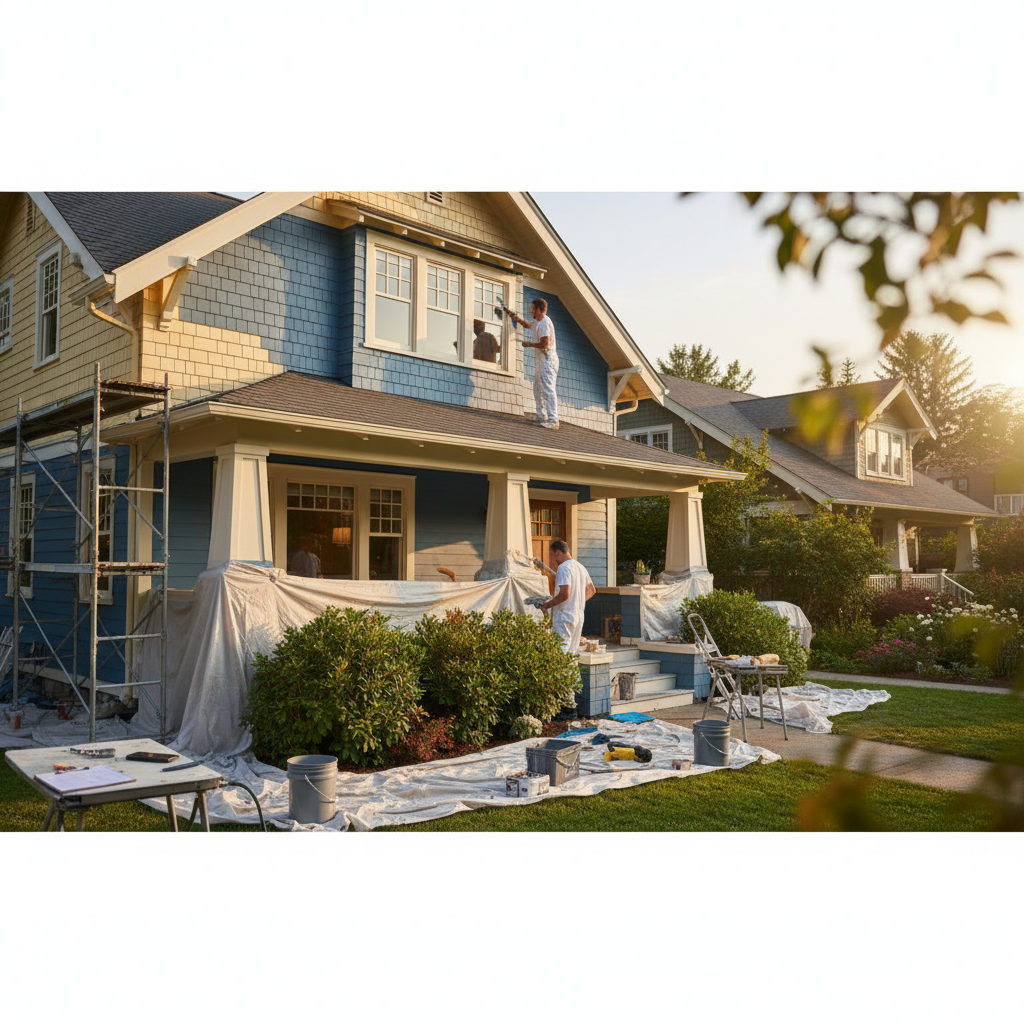
“A fresh coat should protect your home, not drain your wallet.” – Exterior‑Painting Expert, NARI Certified Contractor
Introduction
You’ve just spotted the peeling paint on your Boston‑area colonial, or the faded curb appeal of your Manhattan condo. You know a fresh exterior paint job will boost resale value and protect the structure, but the last thing you want is a “bill‑shock” surprise after the brushes are put away.
According to a 2026 Angi/HomeAdvisor survey, 58 % of homeowners report unexpected costs after a paint job—often because quotes are vague, hidden fees creep in, or the contractor disappears after the first coat. At the same time, the U.S. exterior‑painting market is now $28 B strong, yet skilled painters are in short supply, pushing labor rates 4‑7 % higher year‑over‑year.
The old lead‑generation model (think Angi, Thumbtack, or local classifieds) adds another layer of friction: you’re stuck in endless phone tag, paying per‑lead fees, and wrestling with unstructured, “ball‑park” estimates that can’t be compared side‑by‑side.
Enter PLMBR, an AI‑native home‑services workflow and payments platform that replaces guesswork with structured booking packets, escrow‑backed payments, and AI‑driven matching. In this guide we’ll walk you through everything you need to know about exterior painting, how to avoid the typical pitfalls, and why PLMBR is the tool that finally puts control back in your hands.
What Homeowners Need To Know About Exterior Painting
1. Why Exterior Painting Is More Than A Cosmetic Upgrade
- Protection: Paint acts as a barrier against moisture, UV radiation, and pests. In humid climates (e.g., New York’s coastal neighborhoods) proper coating can extend the life of siding by 10‑15 years.
- Energy Efficiency: Light‑reflective paints can reduce cooling costs by up to 5 % during hot summers, according to the EPA’s ENERGY STAR program.
- Curb Appeal & Value: A well‑executed paint job can increase a home’s resale price by 5‑7 %, according to the National Association of Realtors.
2. Seasonal Timing & Weather Constraints
- Ideal Seasons: Late spring (May‑June) and early fall (September‑October) provide moderate humidity and temperatures between 50‑85 °F, optimal for adhesion and curing.
- Avoid: Heavy rain, high humidity (> 70 %), or sub‑freezing temps, which can cause blistering or poor bonding.
3. Material Trends in 2026
- Low‑VOC Paints: Federal and state regulations now limit VOC (volatile organic compounds) to ≤ 50 g/L for exterior coatings. Low‑VOC paints not only meet compliance but also emit fewer odors, improving on‑site safety.
- Durable Acrylic‑Elastomeric Blends: These newer formulations offer up to 30 % longer warranty periods (15‑20 years) compared with traditional latex paints.
Cost / Risk / Hiring Reality
| Item | Typical Range (2026) | What Influences the Price | Common Risk |
|---|---|---|---|
| Paint material (per gal) | $30‑$70 | VOC compliance, brand, finish (flat vs. satin) | Low‑quality paint may require premature re‑paint |
| Labor (per sq ft) | $1.00‑$3.00 | Local wage rates, crew size, project complexity | Labor shortage can inflate rates 4‑7 % YoY |
| Prep & Surface Repair | $0.30‑$0.80 / sq ft | Extent of cracking, mildew, wood rot | Skipping prep leads to premature failure |
| Total exterior cost | $1.50‑$4.50 / sq ft (≈ $2,500‑$10,000 for a 2,000 sq ft home) | Location, height, number of stories | 58 % of homeowners experience surprise charges (Angi/HomeAdvisor) |
| Escrow / Milestone Billing | 0 % (platform fee only) | Platform‑enabled escrow; no hidden fees | Traditional contracts may demand full upfront payment |
Scroll to see all columns →
Pro‑Tip: Ask any contractor for a line‑item breakdown that mirrors the table above. If they can’t, you’re likely looking at a vague estimate that can hide extra charges later.
How To Vet Providers Without Getting Burned
-
Check Licensing & Insurance
- Verify state contractor’s license (e.g., NYS Home Improvement Contractor ID).
- Confirm liability insurance and workers’ comp; most platforms (including PLMBR) flag expired documents automatically.
-
Look for Verified Reviews & Work Samples
- Trustpilot, Better Business Bureau (BBB), and platform‑specific ratings give a clearer picture than a single 5‑star review.
-
Demand a Structured Quote
- A booking packet should list every line item: surface prep, primer, paint, labor hours, and disposal fees. This enables side‑by‑side comparison.
-
Ask About Milestone Billing
- The best painters split payment into phases: Prep → Prime → Finish. This aligns cash flow with completed work and reduces risk.
-
Use AI‑Assisted Matching (if available)
- Platforms like PLMBR employ semantic search to match you with painters who have the right trade, proximity, and availability, reducing the need for manual vetting.
-
Confirm Calendar Sync
- A contractor who syncs their schedule with Google Calendar or Outlook demonstrates professionalism and reduces “no‑show” incidents.
Where The Old Workflow Breaks
| Pain Point | Traditional Process | Why It Fails |
|---|---|---|
| Phone Tag | Homeowner calls multiple listings, leaves voicemails, chases callbacks. | Average 8‑12 calls and 3‑5 days to secure a single quote (2026 Home Services Hiring Report). |
| Vague Estimates | “It’ll be around $5k” with no scope detail. | Leads to bill shock; 58 % of homeowners report surprise costs. |
| Lead‑Fee Traps | Contractors pay $50‑$150 per lead on Angi/Thumbtack, inflating their margins. | Creates a “pay‑to‑play” ecosystem where quality suffers. |
| No Payment Protection | Full upfront payment or cash‑on‑completion. | Risk of non‑completion or low‑quality work; 22 % of disputes remain unresolved (BBB data). |
| Manual Quote Comparison | Homeowner copies spreadsheets, struggles to align line items. | Time‑consuming and error‑prone, often resulting in the wrong contractor being chosen. |
Scroll to see all columns →
These breakdowns are why many homeowners feel “stuck in a game of telephone” and why the market is ripe for an AI‑driven, escrow‑backed solution.
How PLMBR Changes This Workflow
1. Conversational AI Intake
- You upload a photo of the peeling siding and type, “My Boston house needs a new exterior coat.” The AI instantly identifies the trade, estimates square footage, and asks only the essential follow‑up (e.g., “Do you have a preferred paint brand?”).
2. Semantic Matching & Zero‑Dead‑Leads
- PLMBR’s vector‑embedding search matches you with qualified painters who have the right licenses, insurance, and calendar availability—no dead leads, no per‑lead fees.
3. Booking Packet Builder (Provider Side)
- Contractors use the AI Booking Packet Builder to generate a structured quote in seconds. The packet includes line‑item pricing, warranty terms, and a suggested milestone schedule.
4. Compare‑Packets Dashboard (Homeowner)
- All received packets appear in a side‑by‑side comparison (see the “compare_packets.png” screenshot). You can filter by price, rating, or eco‑friendly paint options.
5. In‑Context Messaging & AI Agent Outreach (Premium)
- A personal AI Agent reaches out to multiple painters simultaneously, tracks each response, and surfaces clarifying questions directly in the chat thread. No more juggling phone calls.
6. Escrow‑Backed, Milestone Billing via Stripe Connect
- Funds are authorized at the start of the project, then released after each milestone is verified through photos and AI‑mediated confirmation. This protects both your budget and the painter’s cash flow.
7. AI‑Mediated Dispute Resolution
- If a dispute arises (e.g., paint quality concerns), the platform auto‑generates an evidence pack, suggests resolution steps, and escalates to a human arbitrator only if needed.
In short, PLMBR transforms the chaotic, phone‑tag‑filled hiring journey into a single, transparent workflow where you can compare quotes, monitor progress, and pay only for verified work.
Questions To Ask Before Hiring
- Can you provide a detailed booking packet with line‑item pricing?
- What is your milestone billing schedule? (e.g., 30 % after prep, 40 % after priming, 30 % after finish)
- Do you carry liability insurance and workers’ comp, and can you share the expiration dates?
- Which low‑VOC paint brand do you recommend for my climate, and why?
- How do you handle surface repairs (e.g., rot, mildew) and what warranty do you offer on those repairs?
- Can you sync your availability with my calendar to avoid scheduling conflicts?
- What is your process for post‑job inspection and final sign‑off?
Having concrete answers to these questions will help you separate professional painters from “quote‑only” operators.
Conclusion
Exterior painting is a high‑impact home improvement that protects your investment and boosts curb appeal—but the traditional hiring process is riddled with hidden fees, endless phone tag, and vague estimates that leave 58 % of homeowners surprised by the final bill.
By leveraging AI‑driven intake, semantic matching, structured booking packets, and escrow‑backed milestone billing, PLMBR eliminates the legacy lead‑gen friction and puts transparent pricing and payment control directly in your hands.
Ready to ditch the phone tag and get clear, comparable quotes for your next exterior paint job?
- Visit the PLMBR homepage to learn more.
- Find Exterior Painting pros on PLMBR and see the AI‑generated match list for your city.
- Use the Compare quotes on PLMBR to side‑by‑side evaluate line‑item packets.
- Explore more expert guides in the PLMBR blog.
Your home deserves a flawless finish—let technology do the heavy lifting so you can focus on the fresh look, not the paperwork.
External Resources
- EPA – ENERGY STAR Paint Guide – https://www.epa.gov/energy/energy-star-paint-guide
- This Old House – Exterior Painting Checklist – https://www.thisoldhouse.com/painting/21016553/exterior-painting-checklist
- Better Business Bureau – Home Services Complaints – https://www.bbb.org/article/business/14074-home-services-complaints
- National Association of the Remodeling Industry (NARI) – https://www.nari.org