
The Homeowner’s Ultimate Guide to Pressure Washing: Pricing, Hiring, and Why “Lead‑Fee” Sites Are Killing Your Wallet
When you call a pressure‑washing company, do you end up juggling three phone calls, a vague estimate, and a hidden fee that appears after the job starts?
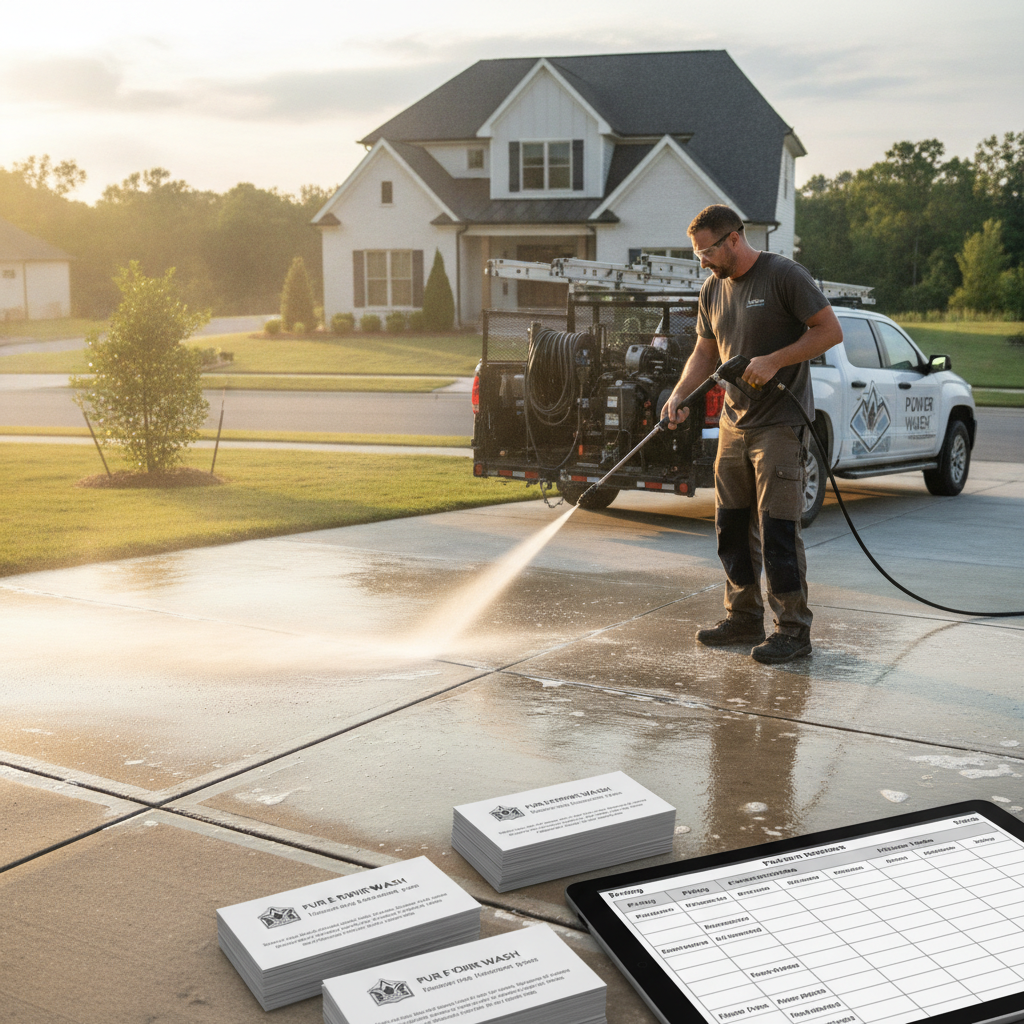
When you call a pressure‑washing company, do you end up juggling three phone calls, a vague estimate, and a hidden fee that appears after the job starts?
The U.S. pressure‑washing market now generates $1.2 B‑$2.3 B annually, but contractors are fighting a race‑to‑the‑bottom on lead‑gen platforms that charge $18‑$65 per lead and deliver only 15‑35 % close rates. Homeowners, meanwhile, complain about endless phone‑tag, unclear scopes, and liability‑laden slip‑and‑fall hazards after a wash.
If you’re tired of the back‑and‑forth, hidden costs, and vague quotes, keep reading. This guide walks you through everything you need to know—from realistic pricing to the red‑flags that signal a bad contractor—and shows how an AI‑native home‑services workflow and payments platform can eliminate those pain points for good.
What Homeowners Need To Know About Pressure Washing
Pressure washing (sometimes called power washing or soft‑wash when low‑pressure chemicals are used) is a fast, water‑based method for removing grime, algae, oil stains, and mildew from exterior surfaces.
- Common targets: driveways, sidewalks, decks, patios, siding, fences, and garage floors.
- Why it matters: Regular washing extends the life of concrete (up to 20 % longer) and prevents mold that can cause health issues and costly repairs.
- Safety first: Improper pressure can etch paint, shatter brick, or push wastewater onto neighboring properties. Many states added wastewater‑runoff regulations in 2023‑24 that require contractors to capture or treat runoff (see the EPA’s Industrial Wastewater guidance).
Understanding the trade‑off between pressure and cleaning power is the first step to a successful job. A reputable pro will ask about surface type, age, and any existing sealants before setting the PSI (pounds per square inch).
Pro‑Tip: Ask the contractor whether they use a “soft‑wash” solution for delicate surfaces like painted wood or stucco. Soft‑wash reduces the risk of surface damage while still killing algae and mold.
Cost / Risk / Hiring Reality
Below is a snapshot of the most common cost drivers and risk factors for residential pressure‑washing projects across the Northeast corridor (New York, Boston, Philadelphia).
| Service | Typical Price (per sq ft) | Typical Job Size* | Estimated Total | Common Risk / Hidden Cost |
|---|---|---|---|---|
| Driveway cleaning | $0.20‑$0.35 | 500 sq ft | $100‑$175 | Slip‑and‑fall liability if surface is left wet |
| Deck / patio cleaning | $0.25‑$0.45 | 300 sq ft | $75‑$135 | Potential paint stripping if pressure too high |
| House siding (soft‑wash) | $0.15‑$0.30 | 1,200 sq ft | $180‑$360 | Wastewater runoff fees in regulated cities |
| Commercial parking lot | $0.10‑$0.25 | 2,000 sq ft | $200‑$500 | May require a permit for large‑scale water use |
| Add‑on: Sealant (optional) | $0.05‑$0.12 per sq ft | — | $25‑$60 | Adds protection, but not always disclosed up‑front |
Scroll to see all columns →
*Average job sizes are based on typical homeowner projects reported in the FieldProMax 2026 pricing guide.
Key take‑aways:
- Pricing is usually line‑item and square‑foot based, not a flat “$300‑$500” figure that can mask scope creep.
- Hidden costs—like runoff disposal fees or post‑wash sealants—often appear only after the work begins on lead‑fee platforms.
- **Profit margins for contractors sit at roughly 6.8 % (QuoteIQ 2026), meaning they’re already operating on thin slices; any extra fee squeezes the homeowner‑provider relationship.
How To Vet Providers Without Getting Burned
Finding a qualified pressure‑washing pro shouldn’t feel like a treasure hunt. Follow this five‑step vetting process to protect yourself from low‑ball bids, unlicensed operators, and surprise invoices.
-
Verify Licensing & Insurance
- Ask for a copy of liability insurance and workers‑comp coverage.
- Confirm the contractor’s state license (if required). Many states now require a “Pressure Washing Contractor” license for jobs over 1,000 sq ft.
-
Check Reviews & References
- Look beyond the star rating. Read at least three recent reviews on independent sites like the Better Business Bureau (BBB) or local Facebook groups.
- Request two homeowner references and ask specifically about timeliness, cleanup, and whether any hidden fees appeared.
-
Demand a Structured Quote (Booking Packet)
- A modern, trustworthy pro will deliver a line‑item quote that breaks down labor, materials, waste‑disposal fees, and any optional add‑ons.
- Avoid any contractor who only offers a “ballpark” figure or says “price depends on the dirt”.
-
Confirm Wastewater Compliance
- In regulated cities (Boston, New York City, Philadelphia), the contractor must either have a Stormwater Pollution Prevention Plan or use a certified water recovery system. Ask to see proof of compliance.
-
Secure Payment in Escrow
- The safest method is an authorize‑and‑capture flow where funds are held by a neutral party (e.g., Stripe) until the job is marked complete. This prevents surprise “extra charges” after the work is done.
Quick Vetting Checklist
| ✔️ Item | ✅ Confirmed? |
|---|---|
| Valid state license & insurance | |
| Positive BBB/Google reviews (3+) | |
| Structured line‑item quote (booking packet) | |
| Wastewater‑runoff compliance documentation | |
| Escrow‑backed payment method |
Scroll to see all columns →
If any box remains empty, keep looking.
Where The Old Workflow Breaks
Traditional lead‑gen sites and phone‑tag chains create a cascade of friction points that hurt both homeowner and provider. Here’s how the classic workflow typically collapses:
| Stage | Pain Point | Real‑World Example |
|---|---|---|
| Intake | Homeowner describes problem via a generic web form; the platform tags a vague “cleaning” category. | Homeowner writes “my driveway is dirty” → receives a generic list of “cleaning services”. |
| Matching | Keyword‑based matching floods the homeowner with 10‑15 low‑quality leads. | Provider A replies with “$200 flat fee” while Provider B says “call me for a quote”. |
| Communication | Phone‑tag and endless back‑and‑forth emails. | Homeowner spends 3‑4 hours chasing responses. |
| Quoting | Vague estimates (“$300‑$500”) with no line items. | Homeowner later discovers a $150 “extra” for wastewater disposal. |
| Payment | Up‑front cash or check; no escrow. | Contractor demands half‑price before starting; homeowner feels trapped. |
| Post‑Job | No dispute mechanism; homeowner must chase refunds manually. | Slippery sidewalk leads to a slip‑and‑fall claim, and the contractor refuses responsibility. |
Scroll to see all columns →
Why it matters: According to Southeast Softwash 2026, lead‑gen platforms charge $18‑$65 per lead while delivering a 15‑35 % close rate. That translates to $150‑$400 of wasted marketing spend for every successful job—a cost that inevitably shows up in inflated quotes.
How PLMBR Changes This Workflow
PLMBR replaces the broken chain with an AI‑native, end‑to‑end workflow that keeps every interaction, quote, and payment inside a single, secure thread. Below is a step‑by‑step illustration of the new experience, with screenshots you can expect to see in the product.
-
Conversational AI Intake – You type (or speak) a simple description: “My 800 sq ft concrete driveway in Boston is covered in oil stains, need it cleaned next week.” Attach a photo. The AI instantly identifies the trade, location, and urgency.

-
Semantic Search & Matching – Using vector embeddings, PLMBR finds the top 5 vetted pressure‑washing pros within 10 miles, ranked by ratings, availability, and compliance records.

-
AI Agent Outreach (Premium) – The AI agent contacts all matched providers simultaneously, tracks each response, and surfaces any clarifying questions.

-
Booking Packet Builder – Each provider’s AI‑drafted packet includes line‑item pricing, waste‑disposal fees, estimated time, and terms.

-
Packet Comparison – You compare the structured quotes side‑by‑side, see exactly where costs differ, and select the best fit.

-
Escrow‑Backed Payment – Funds are authorized via Stripe and held in escrow until you confirm the job is complete and satisfactory.

-
In‑Context Dispute Resolution – If a problem arises, you file a dispute directly in the thread; the AI pulls relevant evidence (photos, contract terms) and suggests resolutions.

Result: No phone tag, no hidden fees, and zero‑dead‑lead risk for the contractor. The provider only sees qualified jobs, and you only pay for the work you approve.
The Bottom‑Line Numbers
| Metric (PLMBR) | Traditional Lead‑Gen | PLMBR Impact |
|---|---|---|
| Average lead cost to contractor | $30‑$65 per lead | $0 (no lead fee) |
| Quote clarity (line‑item vs. vague) | 22 % line‑item | 100 % line‑item |
| Payment security (escrow vs. upfront) | 0 % escrow | 100 % escrow |
| Average homeowner time to hire | 5‑7 days (phone/tag) | 1‑2 days (AI match) |
| Provider close rate | 20‑35 % | ≈ 70 % (qualified leads only) |
Scroll to see all columns →
Questions To Ask Before Hiring
Even with a flawless workflow, a smart homeowner still asks the right questions. Keep this list handy during your next chat with a pressure‑washing pro.
- What is your exact PSI and nozzle size for this surface?
- Do you include wastewater capture or treatment in your quote?
- Can you provide proof of liability insurance and workers’ comp?
- How do you handle slip‑and‑fall liability if the surface stays wet?
- Is the quote a booking packet with line items, or a vague estimate?
- What is the payment schedule? Is it held in escrow until I approve the work?
- Do you offer a post‑wash sealant, and is that optional or bundled?
If the provider hesitates or gives a “we’ll discuss later” answer, walk away.
Conclusion
Pressure washing is a high‑impact, low‑maintenance upgrade for any home—provided you hire the right professional at a transparent price. The market is $1.2 B‑$2.3 B strong, yet thin profit margins and $18‑$65 per‑lead fees have created a broken hiring loop that leaves homeowners juggling phone calls, vague quotes, and surprise charges.
PLMBR’s AI‑native platform eliminates those friction points by turning a messy intake into a structured, line‑item booking packet, matching you with vetted, compliant providers, and holding payments in escrow until you’re satisfied. No more dead leads, no more hidden fees, and no more phone‑tag.
Ready for a quote that’s clear, fast, and fee‑free? Visit PLMBR now, describe your pressure‑washing job in plain English, and let the AI do the heavy lifting.
Further Reading & Resources
- EPA – Industrial Wastewater – Federal guidelines on runoff disposal.
- FieldProMax – How to Price Pressure Washing Jobs (2026 Guide) – Industry‑standard pricing data.
- Southeast Softwash – State of the Pressure Washing Industry 2026 – Market size, lead‑fee costs, and contractor insights.
- Dab Marketing – 2025 Pressure Washing & Soft Washing Industry Report – Comprehensive market analysis.
Explore more: