
The Ultimate 2024 Homeowner’s Guide to Decks & Porches: Costs, Design, Permits & How to Hire the Right Pro — Without the Phone Tag
You’ve just imagined a summer evening on a brand‑new deck, kids laughing on a cozy porch, and a glass of wine in hand while the city skyline glows behind you.…
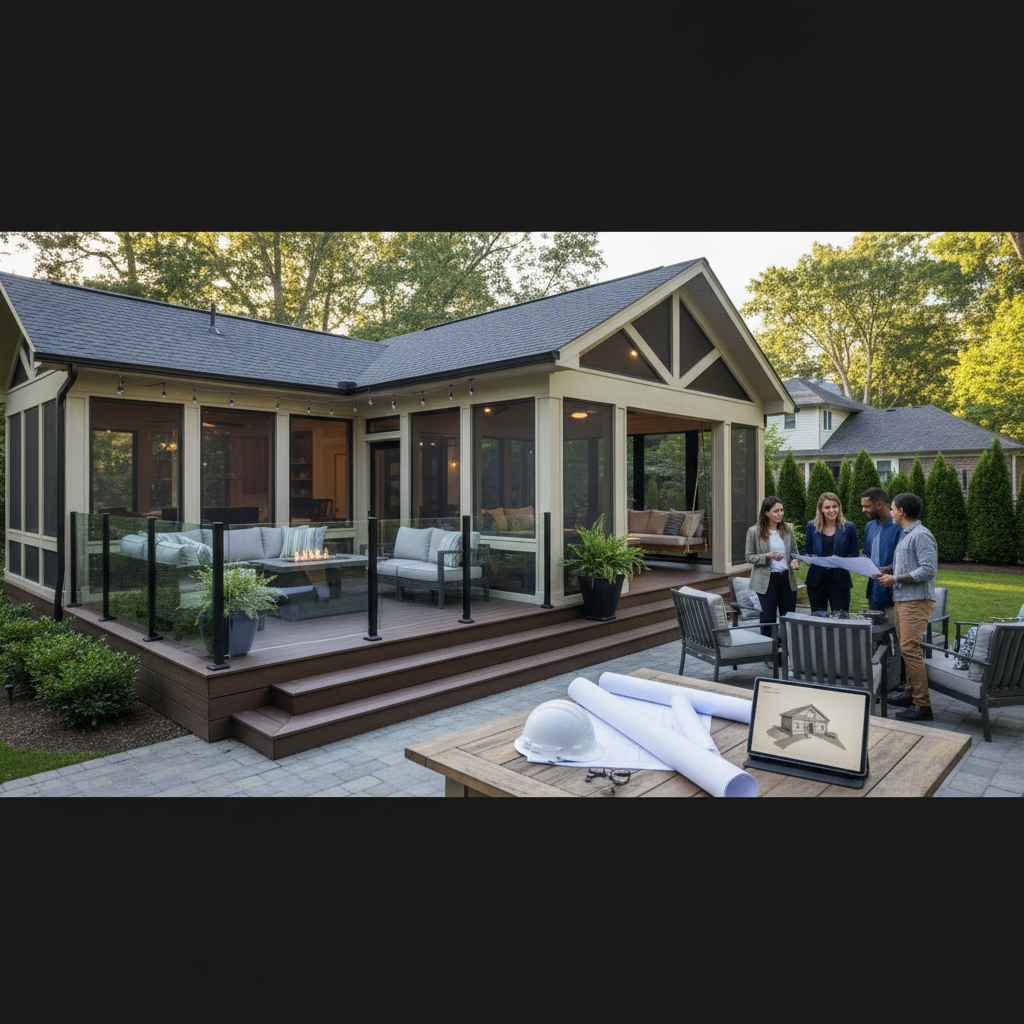
“If you’ve ever chased a contractor on three different apps, you’ll know why a single‑click, AI‑driven workflow feels like a breath of fresh air.” – Pro‑contractor, NARI member
Introduction
You’ve just imagined a summer evening on a brand‑new deck, kids laughing on a cozy porch, and a glass of wine in hand while the city skyline glows behind you. Yet the path from idea to reality often feels like a maze of endless phone calls, vague “ball‑park” quotes, and hidden fees.
The data backs up that frustration: 85 % of U.S. households now own at least one outdoor living space, but the deck & patio market exploded to $15.7 B in 2024 and is projected to grow 4.9 % annually through 2032 (Congruence Market Insights). At the same time, lumber prices have swung +30 % to –20 % year‑over‑year, turning a $10 k deck into a $13 k surprise if the estimate isn’t itemized.
Traditional lead‑gen platforms (Angi, Thumbtack, HomeAdvisor) charge $50‑$150 per lead, push low‑quality cold leads to contractors, and leave homeowners with vague estimates and risky payment terms. That broken workflow is why a new AI‑native solution is emerging.
In this guide we’ll walk you through:
- What you need to know before you start a deck or porch project.
- Real‑world cost ranges and the hidden risks that inflate budgets.
- A step‑by‑step vetting process that avoids the common pitfalls.
- Exactly where the old hiring workflow breaks down.
- How PLMBR’s AI‑driven platform repairs those cracks, giving you transparent quotes, escrow‑backed payments, and a single messaging thread.
Ready to build the outdoor space you deserve without the headache? Let’s dive in.
What Homeowners Need To Know About Decks & Porches
1. The functional difference matters
- Decks are typically raised, attached to the house, and built with structural support that must meet local load requirements.
- Porches are usually at ground level or slightly elevated, often covered, and may serve as a transition between indoor and outdoor spaces.
Understanding the structural intent determines the engineering, material choice, and permitting requirements.
2. Material choices drive cost and maintenance
| Material | Typical Cost (per sq‑ft) | Lifespan | Maintenance | Sustainability |
|---|---|---|---|---|
| Pressure‑treated lumber | $12‑$18 | 10‑15 yr | Annual sealing, occasional rot repair | Low‑cost, but wood‑harvest impact |
| Composite (plastic‑wood blend) | $30‑$45 | 25‑30 yr | Minimal (clean with soap) | Recyclable, lower VOCs |
| Tropical hardwood (ipe, teak) | $45‑$70 | 30‑40 yr | Oiling every 2‑3 yr | High carbon sequestration, premium sourcing |
| Aluminum | $35‑$55 | 30+ yr | None | Fully recyclable, excellent for coastal climates |
Scroll to see all columns →
Composite decks have risen in popularity because they are 20‑35 % more expensive upfront but can cut lifecycle costs by 50‑70 % (Grand View Research).
3. Design trends shaping 2024
- Multi‑level decks that create distinct “zones” for dining, lounging, and gardening.
- Integrated lighting and smart outlets for year‑round usability.
- Low‑profile “porch‑lite” canopies that blend indoor/outdoor living without the bulk of a full roof.
- Sustainable decking such as reclaimed wood or FSC‑certified composite.
If you’re leaning into any of these trends, be sure to discuss them early with your contractor—each adds line‑item cost and may affect permitting.
Cost / Risk / Hiring Reality
1. Typical price ranges (2024)
| Project Type | Size (sq‑ft) | Material | Rough Cost Range* | Typical Timeline |
|---|---|---|---|---|
| Wood deck (basic) | 200 | Pressure‑treated | $8,000 – $15,000 | 2‑3 weeks |
| Composite deck (premium) | 200 | Composite | $12,000 – $22,000 | 3‑4 weeks |
| Small porch (covered) | 120 | Wood or composite | $6,000 – $12,000 | 1‑2 weeks |
| Large multi‑level deck | 400+ | Composite or hardwood | $25,000 – $55,000 | 4‑6 weeks |
| Full‑scale porch + deck combo | 300 | Mixed | $20,000 – $45,000 | 4‑5 weeks |
Scroll to see all columns →
*All figures include labor, basic railing, and standard permits. Extras such as built‑in seating, fire pits, or high‑end lighting are not included.
2. Hidden cost triggers
- Material price spikes – Lumber volatility (+30 % YoY) can add $2,000‑$4,000 to a wood deck if not locked in a line‑item quote.
- Permit surprises – Some cities (e.g., Boston) require separate storm‑water mitigation fees that can be $500‑$1,200.
- Scope creep – Adding a railing after the initial estimate often results in a 10‑15 % price bump.
- Site conditions – Uneven terrain, old foundations, or tree removal can add $1,500‑$3,000.
3. Why the “ball‑park” quote is dangerous
A vague “around $20k” quote usually omits line‑item breakdowns, leaving you blind to material markup, labor rates, and contingency allowances. Without a detailed packet, you’re forced to renegotiate mid‑project—a primary source of disputes.
How To Vet Providers Without Getting Burned
1. Start with AI‑enhanced search
Instead of typing “deck contractor near me” into Google and scrolling through endless listings, use an AI‑driven platform that:
- Parses your description (e.g., “12‑ft composite deck with built‑in lighting in Boston”) and matches it to providers with proven experience in that exact scope.
- Ranks based on trade expertise, distance, verified ratings, and compliance documents (insurance, licenses).
2. Check credentials and compliance
- License verification – Use your state’s licensing board (e.g., Massachusetts Contractor License Lookup).
- Insurance – Confirm general liability and workers’ comp; ask to see policy numbers.
- BBB rating – Look for an A‑ or A+ rating; read the most recent complaints.
3. Review structured booking packets
Ask the provider to generate a booking packet that includes:
- Scope of work (itemized tasks).
- Line‑item pricing (materials, labor, permits, contingency).
- Timeline with milestones.
- Payment schedule (including any escrow or progressive billing).
If a contractor can’t produce this level of detail, it’s a red flag.
4. Use references and photo proof
- Request photos of recent decks similar in size and material.
- Follow up with at least two past homeowners to confirm timeliness and quality.
5. Avoid “lead‑fee” traps
Platforms that charge you per lead often push low‑quality contractors eager to accept any job. Look for a zero‑lead‑fee model where you only pay for the work you actually authorize.
Where The Old Workflow Breaks
| Step | Typical Pain Point | Consequence |
|---|---|---|
| Intake | Homeowner fills out a generic form, then receives dozens of unrelated leads. | Phone tag, irrelevant callbacks. |
| Matching | Manual keyword search; providers may not have the right trade or availability. | Missed matches, longer search time. |
| Quoting | Contractors send PDFs or handwritten notes with vague totals. | Scope creep, surprise bills. |
| Communication | Emails, texts, and phone calls scattered across devices. | Lost documents, delayed decisions. |
| Payment | Full upfront payment or post‑completion cash‑only. | Risk of non‑completion for homeowner; cash‑flow risk for contractor. |
| Dispute | No centralized thread; parties argue over paper receipts. | Time‑consuming, costly legal involvement. |
Scroll to see all columns →
These breakdowns are echoed across consumer reviews of Angi, Thumbtack, and HomeAdvisor, where pay‑per‑lead fees ($50‑$150 per lead) force contractors to chase quantity over quality, leading to rushed estimates and poor follow‑through.
How PLMBR Changes This Workflow
1. Conversational AI Intake
You describe your project in plain English, attach photos, and the AI instantly identifies the correct trade, your location, and urgency level. No more generic forms or endless dropdowns.
2. Semantic Matching
Using vector embeddings, PLMBR finds the best‑fit, vetted providers based on trade, distance, availability, ratings, and compliance signals—far beyond simple keyword matches.
3. Booking Packet Builder
The provider’s AI assistant drafts a structured, line‑item quote (the “booking packet”) that includes:
- Material costs locked at today’s price.
- Labor hours broken down by milestone.
- Permit fees and any required HOA approvals.
You can compare up to three packets side‑by‑side on the Compare quotes on PLMBR page, making scope creep impossible before you click “Approve.”
4. In‑Context Messaging
All communication lives in a single thread. The booking packet appears inline, so you can ask “Can we switch the railing to composite?” and see the updated price instantly—no separate PDFs to download.
5. Escrow‑Backed Progressive Billing
Funds are authorized via Stripe and held in escrow. As each milestone (e.g., framing, decking, railing) is completed, the provider releases the corresponding portion. This protects you from paying for unfinished work and gives the contractor reliable cash flow.
6. AI‑Mediated Dispute Resolution
If a disagreement arises, the AI assembles an evidence pack (photos, messages, timestamps) and suggests a resolution tier. Most disputes settle within 48 hours, sparing both parties costly legal steps.
7. Zero Lead Fees for Pros
Providers on PLMBR never pay per‑lead fees. They only receive qualified jobs that have already passed the AI intake filter, which means higher quality, more motivated contractors for your project.
Pro‑Tip: Premium homeowners can enable the Seeker AI Agent—an autonomous assistant that contacts multiple vetted providers simultaneously, tracks responses, and surfaces the best packet for you. No more chasing after each contractor.
Questions To Ask Before Hiring
- Are you licensed and insured in my city? Verify with the state board and request copies.
- Can you provide a detailed booking packet? Look for line‑item costs, milestones, and escrow terms.
- What is your projected timeline, including weather buffers? A realistic schedule includes a 10‑15 % contingency for rain delays.
- How do you handle permits? The contractor should submit all required permits and include the fee in the packet.
- What is your warranty on materials and workmanship? Wood typically gets a 2‑year warranty; composites often 25‑year.
- Do you offer progressive billing? Ensure the payment schedule aligns with milestones (e.g., 30 % after framing, 40 % after decking, 30 % upon final inspection).
If a contractor hesitates on any of these, consider moving on to the next vetted professional on PLMBR.
Conclusion
Building a deck or porch in 2024 should be an exciting upgrade, not a nightmare of phone tag, vague estimates, and cash‑flow risk. The market’s rapid growth—$15.7 B in revenue and a 4.9 % CAGR—means demand for transparent, reliable services is higher than ever, while lumber price volatility and labor shortages keep budgets fragile.
Traditional lead‑gen sites still rely on outdated, fee‑driven models that push low‑quality leads and leave homeowners scrambling. PLMBR eliminates those friction points with an AI‑native workflow that delivers:
- Instant, smart intake and semantic matching.
- Structured, comparable booking packets that lock in material costs.
- In‑context messaging for a single source of truth.
- Escrow‑backed progressive billing for financial safety.
- Zero‑lead‑fee, high‑quality contractors ready to deliver.
Ready to start your project with confidence? Visit the PLMBR homepage, browse vetted pros on the Find Decks & Porches page, and compare quotes—all within a secure, AI‑driven environment.
Your dream deck or porch is just a few clicks away—let PLMBR handle the logistics so you can focus on the finished view.
Further Reading & Resources
- National Association of the Remodeling Industry (NARI) – Deck & Porch Guidelines – industry standards and best practices.
- U.S. Environmental Protection Agency – Sustainable Materials for Outdoor Construction – environmental impact of decking materials.
- U.S. Department of Labor – OSHA Safety Standards for Deck Construction – essential safety requirements.
- This Old House – How to Choose Deck Materials – practical homeowner advice.
Explore more home‑service guides on the PLMBR blog for deeper dives into budgeting, design trends, and smart hiring strategies.