
The Ultimate Homeowner’s Guide to Appliance Repair in 2024 – Why the Old Phone‑Tag Model Is Broken and How AI‑Native PLMBR Fixes It
Imagine you’ve just opened the freezer to discover a puddle of melted ice cream. You call three “local repair guys,” leave voicemails, chase callbacks, and…
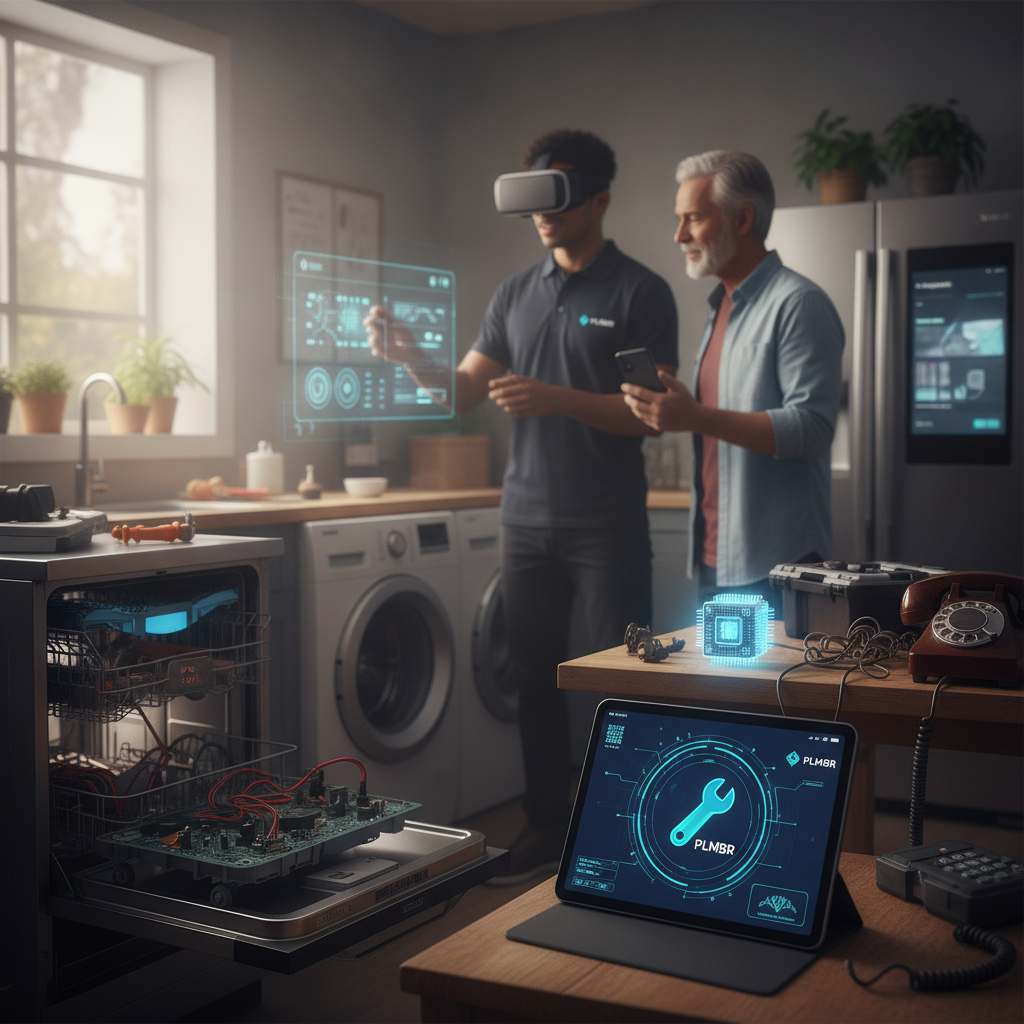
Imagine you’ve just opened the freezer to discover a puddle of melted ice cream. You call three “local repair guys,” leave voicemails, chase callbacks, and end up paying a vague “$300‑$500” estimate that later balloons to $800 after the tech shows up with a new compressor. Sound familiar?
You’re not alone. 30 % of paid leads on traditional lead‑gen sites ever convert and homeowners spend an average of 5 hours per repair project just managing communications (Fieldproxy research). The appliance‑repair market—$7 B in the U.S. and growing 2.5 % annually (IBISWorld)—is still stuck in a “phone‑tag + pay‑per‑lead” era that wastes time, money, and trust.
In this guide we’ll walk you through everything you need to know before hiring an appliance‑repair pro, expose the hidden costs of legacy platforms, and show exactly how PLMBR’s AI‑native workflow eliminates the pain points that have plagued the industry for decades.
What Homeowners Need To Know About Appliance Repair
Appliance repair covers everything from a noisy dishwasher to a refrigerator that won’t cool. While the specific trade matters, the underlying hiring process shares the same challenges:
| Appliance | Typical Failure Mode | Avg. Repair Cost* | Common Technician Rate** |
|---|---|---|---|
| Refrigerator (compressor) | No cooling | $700 – $1,250 | $110 – $170/hr |
| Washing machine (drum/belt) | Won’t spin | $150 – $300 | $100 – $150/hr |
| Dishwasher (drain pump) | Won’t drain | $180 – $350 | $100 – $150/hr |
| Oven/Range (igniter) | No heat | $120 – $250 | $100 – $150/hr |
| dryer (thermal fuse) | Not heating | $130 – $300 | $100 – $150/hr |
Scroll to see all columns →
*Ranges compiled from HomeGuide, InvoiceFly, and industry surveys.
**Hourly rates include labor, travel, and typical markup.
Key Takeaways
- Most repairs fall between $120 and $400 – but “range” estimates hide the real line‑item costs.
- First‑time‑fix rates average 75 %; top shops hit 85‑90 % (Fieldproxy). A missed part means a second visit, extra travel, and more frustration.
- Smart‑appliance failures are rising – JD Power reports a 92 PP100 failure rate for Wi‑Fi‑enabled units vs 63 PP100 for non‑connected models, driving a surge in repair demand.
Cost / Risk / Hiring Reality
Before you click “Call Now,” understand the financial and risk landscape. Below is a side‑by‑side snapshot of what you typically face when using a legacy lead‑gen platform versus an AI‑native workflow like PLMBR.
| Aspect | Legacy Lead‑Gen (Angi, Thumbtack, etc.) | AI‑Native PLMBR Workflow |
|---|---|---|
| Lead acquisition | $10‑$120 per lead; ≈30 % convert to jobs (Sharetribe) | Zero‑lead‑fee – you only pay for verified jobs |
| Quote format | Vague “$200‑$500” estimate, no line items | Structured booking packets with scope, line‑item pricing, milestones |
| Communication | Phone‑tag, multiple callbacks, lost context | In‑thread real‑time chat; AI agent surfaces updates automatically |
| Payment security | Cash or pre‑auth; disputes often unresolved | Escrow‑backed Stripe hold until job is confirmed; progressive billing optional |
| Dispute resolution | Manual, time‑consuming, often favors tech | AI‑mediated dispute packs with evidence & recommendations |
| Scheduling | Manual calendar entry; double‑bookings common | Calendar sync (Google, Outlook) + AI ranking for availability |
| Transparency | Hidden fees, surprise mileage charges | Full cost breakdown visible before you accept a packet |
Scroll to see all columns →
Pro tip: If a provider asks you to pay a “lead fee” before any work is scheduled, walk away. That fee is a red flag that you’re still in the old model.
How To Vet Providers Without Getting Burned
Even with a better platform, you still want to choose a qualified technician. Follow this four‑step vetting checklist:
-
Verify Licensing & Insurance
- Check state licensing board (e.g., New York Department of Consumer Affairs) and request proof of liability insurance. PLMBR auto‑flags expired docs.
-
Read Structured Reviews & Ratings
- Look for line‑item feedback (e.g., “timely arrival,” “fixed issue on first visit”). Generic 5‑star scores are less reliable.
-
Compare Booking Packets Side‑by‑Side
- Use PLMBR’s compare‑quotes view to see exactly what each provider includes—parts, labor, warranty, and milestone billing.
-
Confirm First‑Time‑Fix Commitment
- Ask “What’s your first‑time‑fix rate for this issue?” Top‑performing shops will quote 85 %+ and may offer a guarantee.
Bonus: If you’re on a tight budget, ask the provider to prioritize repair over replacement. The U.S. EPA recommends repairing appliances when possible to reduce waste and energy consumption (EPA Appliance Repair Guide).
Where The Old Workflow Breaks
Below is a quick audit of the traditional hiring journey and why it frustrates both homeowners and pros.
| Step | Typical Pain Point | Real‑World Example |
|---|---|---|
| 1. Search | Keyword‑only results, no trade‑specific relevance | “Dishwasher repair” returns a plumber and a handyman, forcing you to sift manually. |
| 2. Contact | Phone‑tag, voicemail loops, missed messages | You leave three voicemails, get a callback 48 hrs later, only to discover the tech is already booked. |
| 3. Quote | Vague range, hidden mileage, “we’ll let you know after we see the problem.” | Provider says “$250‑$400” then adds $75 for travel after arrival. |
| 4. Scheduling | Manual entry → double‑bookings → wasted travel time | Two techs arrive at the same slot, one leaves, you lose a day. |
| 5. Payment | Cash or pre‑auth; no escrow, disputes linger | You pay $300 upfront, the tech charges extra $150 for a part you never received. |
| 6. Follow‑up | No centralized thread; lost receipts, no dispute tracking | You email the company weeks later, but the original chat is gone. |
Scroll to see all columns →
These breakdowns are why homeowners spend an average of 5 hours per repair just coordinating (Fieldproxy). The result? Higher costs, lower trust, and a market that still loses $70‑$150 per dead lead for contractors (PostcardMania Angi lead‑fee analysis).
How PLMBR Changes This Workflow
PLMBR was built to replace every broken link in the chain above with an AI‑driven, end‑to‑end experience.
1. Conversational AI Intake
- You type or speak “My fridge is making a buzzing noise and not cooling,” attach a photo, and the AI instantly identifies the trade, urgency, and location. No more scrolling through irrelevant results.
2. Semantic Matching & Provider Ranking
- Vector embeddings match you with the best‑fit technicians based on proximity, ratings, and real‑time availability—far beyond simple keyword matches.
3. AI Agent Outreach (Premium)
- The AI reaches out to multiple vetted providers simultaneously, tracks each response, and surfaces only the most relevant follow‑up questions. You never chase a single phone number again.
4. Booking Packet Builder
- Providers generate structured quotes automatically: line‑item parts, labor hours, warranty terms, and progressive billing milestones (e.g., 30 % hold, 70 % on completion).
Pro tip: Use the compare‑packets view to see side‑by‑side line‑item differences—what one tech includes as “diagnostic fee” another may bundle into labor.
5. In‑Context Messaging & Escrow
- All communication lives inside a single thread. When a provider sends a billing request, the Stripe‑powered escrow holds the funds until you confirm the job is completed to satisfaction.
6. AI‑Mediated Dispute Resolution
- If something goes wrong, the AI assembles an evidence pack (photos, chat logs, packet details) and suggests resolutions—cutting the weeks‑long back‑and‑forth you’d otherwise endure.
7. Zero‑Lead‑Fee for Pros
- Providers only see qualified, paying jobs, eliminating the dead‑lead drain that costs them $70‑$150 per month on legacy platforms.
In short, PLMBR turns a chaotic, multi‑step process into a single, transparent workflow that saves homeowners hours, reduces surprise costs, and protects both parties with escrow‑backed payments.
Questions To Ask Before Hiring
Even with AI assistance, a few core questions keep you in control:
- What exactly is included in the scope? (Ask for a line‑item packet.)
- Do you offer a first‑time‑fix guarantee? (Look for ≥ 85 % FTFR.)
- How is payment secured? (Confirm escrow or progressive billing.)
- Can you provide proof of insurance & licensing? (PLMBR displays this automatically.)
- What’s the expected timeline for parts delivery? (Smart‑appliance parts can ship in 2‑5 days.)
Write down the answers and compare them in PLMBR’s compare‑quotes view before you click “Accept.”
Conclusion
The appliance‑repair market is $7 B strong yet still shackled by outdated phone‑tag, vague estimates, and costly lead‑gen fees. Homeowners deserve a clear, fast, and secure hiring experience—one that tells you exactly what you’ll pay, keeps all communication in one place, and only releases funds once the job is done.
PLMBR delivers that with an AI‑native workflow that eliminates dead leads, provides side‑by‑side structured packets, and protects your money with escrow. The result? Fewer hours chasing techs, lower surprise costs, and confidence that your fridge—or any other appliance—gets fixed right the first time.
Ready to upgrade your repair experience?
- Visit the PLMBR homepage to learn more.
- Find Appliance Repair pros on PLMBR and start your AI‑driven intake today.
- Compare quotes on PLMBR to see transparent, line‑item estimates side‑by‑side.
For more home‑service guides, check out our blog. Your appliances (and your sanity) will thank you.
References
- IBISWorld, U.S. Appliance Repair Market Size 2025 – https://www.ibisworld.com/united-states/market-research-reports/appliance-repair-industry/
- Fieldproxy, Poor Customer Communication in Appliance Repair – https://www.fieldproxy.ai/resources/blog/fixing-poor-customer-communication-in-appliance-repair-businesses-d1-17
- Sharetribe, Lead‑Gen Conversion Rates – https://sharetribe.com/marketplace-insights/lead-conversion
- JD Power 2025, Smart‑Appliance Failure Rates – https://www.jdpower.com/business/press-releases/smart-appliance-reliability
- EPA, Repair vs. Replace Appliances – https://www.epa.gov/greenliving/repair-appliances
- PostcardMania, Angi Lead‑Fee Analysis – https://www.postcardmania.com/blog/angi-leads-worth-it-home-services
- 7Ten Marketing, Thumbtack Lead‑Fee Overview – https://7ten.marketing/how-much-does-thumbtack-charge-for-leads
- This Old House, DIY Appliance Repair Basics – https://www.thisoldhouse.com/appliances
- FTC Consumer Information, Hiring Home Service Professionals – https://www.consumer.ftc.gov/articles/0125-hiring-home-service-professionals