
The Ultimate Homeowner’s Guide to Appliance Repair in 2026: Why the Old Hiring Model Is Broken and How AI Is Changing the Game
You hear a clunk from your dishwasher, the fridge starts warming, or the dryer refuses to spin. A quick Google search later, you’re stuck in a loop of phone…
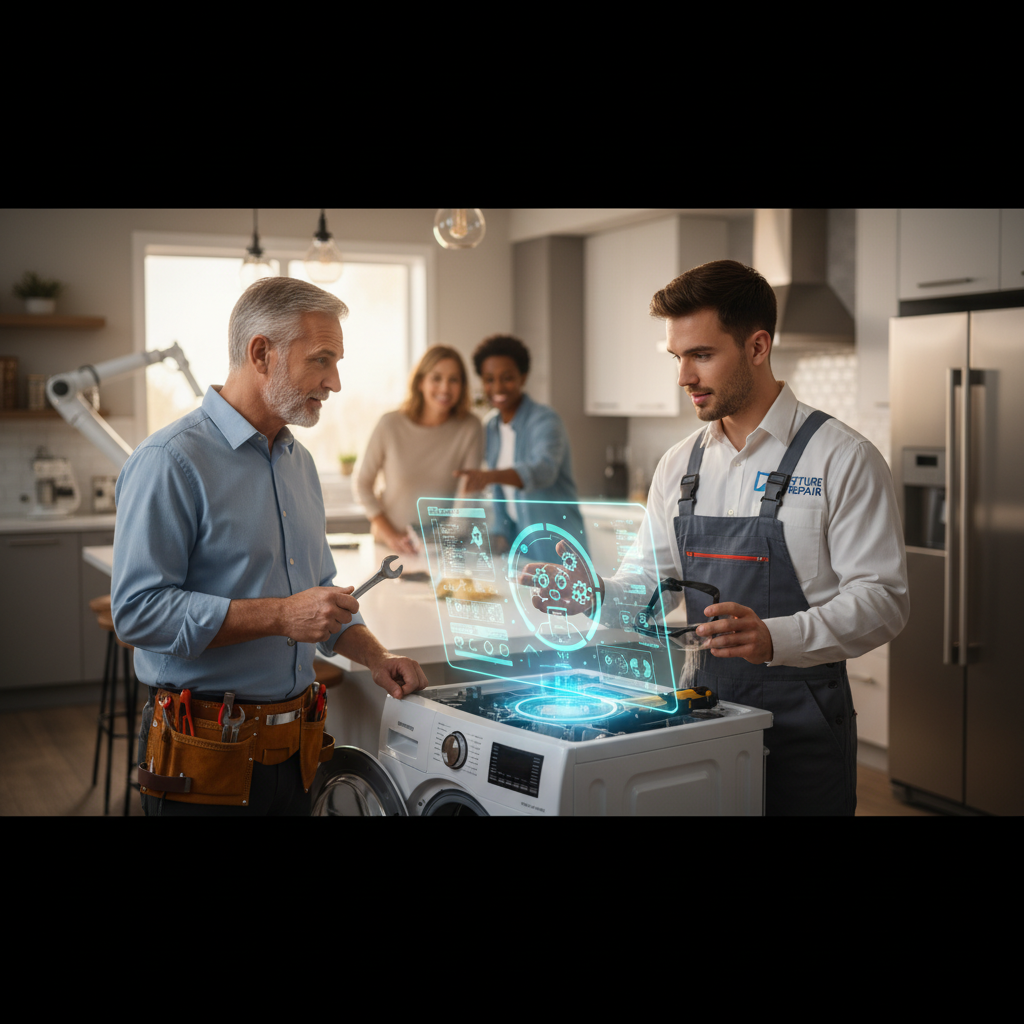
Introduction
You hear a clunk from your dishwasher, the fridge starts warming, or the dryer refuses to spin. A quick Google search later, you’re stuck in a loop of phone tag, vague “$200‑ish” estimates, and the lingering fear that you’ll end up paying far more than the repair actually costs.
The numbers are stark: 60 % of U.S. homeowners have experienced a broken large appliance in the past five years, and 39 % of those tossed the appliance because they couldn’t find a trustworthy repair shop【Research Pack】. Add to that the $45‑$350 per‑lead fees that platforms like Angi and Thumbtack charge technicians, and you can see why the traditional lead‑gen workflow is a minefield for both sides.
In this guide, we’ll walk through what you need to know about appliance repair, break down the real costs and risks, teach you how to vet providers without getting burned, and show exactly how an AI‑native platform—PLMBR—eliminates the pain points that have plagued the industry for years.
What Homeowners Need To Know About Appliance Repair
Appliance repair isn’t just “call a guy and hope for the best.” Modern appliances are becoming smart, Wi‑Fi‑enabled devices that blend mechanical parts with software. This shift creates two important realities:
- Higher Replacement Costs – A new French‑door refrigerator can easily top $2,500, making repair the financially sensible choice in most cases.
- New Diagnostic Needs – Error codes, firmware updates, and connectivity issues now require technicians who can interpret digital data as well as physical components.
Key Statistics
| Metric | Figure | Source |
|---|---|---|
| U.S. appliance‑repair market revenue (2025) | $7.0 B | IBISWorld – Appliance Repair Industry Analysis (2026) |
| Homeowners who would repair if price transparent | 56 % | Kentley Insights, 2026 Home Service Trends Report |
| Typical labor rate for appliance repair | $80‑$150 / hr | FieldProxy AI – Pricing Guide (2026) |
| Parts markup range | 30‑50 % of parts cost | Same as above |
| Emergency/after‑hours premium | 1.5‑2× standard rate | Same as above |
| Smart‑appliance repair demand growth (2024‑2025) | +12 % YoY | BozmanFix – Smart Appliances Creating New Repair Demand |
Scroll to see all columns →
Understanding these figures helps you set realistic expectations and avoid overpaying for a job that could be fixed for a fraction of the cost.
Cost / Risk / Hiring Reality
When you reach for a repair quote, you’re actually juggling three variables: price, risk, and speed. Below is a snapshot of what a typical repair looks like in 2026.
| Appliance | Avg. Labor (hrs) | Parts Cost | Typical Total (incl. markup) | Emergency Premium* | Common Risks |
|---|---|---|---|---|---|
| Refrigerator (full‑size) | 1.5‑2 | $120‑$250 | $260‑$460 | +50 % | Delayed parts, hidden diagnostics |
| Dishwasher | 1‑1.5 | $80‑$150 | $180‑$300 | +40 % | Unclear scope, “flat‑rate” traps |
| Dryer (electric) | 1‑2 | $60‑$130 | $170‑$320 | +45 % | Warranty void if DIY |
| Oven (range) | 1‑2 | $90‑$180 | $210‑$380 | +50 % | Mis‑diagnosis of control board |
Scroll to see all columns →
*Emergency/after‑hours premium is applied when a technician is dispatched outside normal business hours.
Hidden Costs You Won’t See in a Quick Quote
- Phone‑tag labor – Time you (or the technician) waste coordinating schedules.
- Scope drift – An initial “$200” estimate that balloons to “$450” after the tech discovers additional issues.
- Lead‑fee inflation – Providers often pad labor rates to cover $45‑$350 per lead fees charged by traditional platforms, passing the cost onto you.
Pro‑Tip: If a quote includes “unforeseen issues may increase the total cost,” ask for a line‑item estimate that separates labor, parts, and any potential contingency fees.
How To Vet Providers Without Getting Burned
Finding a reliable repair technician used to feel like a lottery. Here’s a step‑by‑step checklist to increase your odds of success:
-
Check Licensing & Insurance
- Verify the contractor’s state license (most states require a license for appliance repair).
- Confirm liability insurance and workers‑comp coverage; PLMBR’s compliance dashboard automatically flags expired documents.
-
Read Verified Reviews, Not Star‑Counts
- Look for detailed reviews that mention specific jobs, punctuality, and whether the final bill matched the estimate.
- Platforms that charge per lead often encourage “high‑rating” reviews that hide real performance data.
-
Ask for a Structured Booking Packet
- A booking packet breaks the scope into line items, includes labor hours, parts, and payment milestones.
- If the provider can’t supply this, it’s a red flag.
-
Confirm Transparent Pricing
- Ask: “What’s your labor rate per hour, and do you add a markup on parts?”
- Compare the answer to the industry averages shown in the table above.
-
Test Communication Speed
- Send a quick photo of the faulty appliance and see how fast they respond. Slow replies often indicate a low‑priority lead or a “dead lead” scenario.
-
Look for Escrow or Milestone Billing Options
- Reputable techs will be comfortable using an escrow‑backed payment flow that holds your funds until the job is completed to satisfaction.
Where The Old Workflow Breaks
Traditional home‑service marketplaces have been built on a pay‑per‑lead model. Below is a quick dissection of the common failure points:
| Step | Traditional Pain Point | Why It Happens |
|---|---|---|
| 1️⃣ Intake | Homeowner must fill long forms or make a phone call. | Platforms rely on manual data entry, leading to errors and missed details. |
| 2️⃣ Matching | Provider receives a generic lead with minimal context. | Keyword‑based search ignores location, urgency, and specific appliance model. |
| 3️⃣ Quote | Provider gives a vague “$200‑ish” estimate. | To cover lead‑fee costs and uncertainty, technicians inflate numbers. |
| 4️⃣ Communication | Endless back‑and‑forth phone calls (phone tag). | No unified messaging thread; each party uses separate channels. |
| 5️⃣ Payment | Cash or upfront payment, no protection. | No escrow, so homeowners risk paying for incomplete work. |
| 6️⃣ Dispute | Manual, time‑consuming resolution, often requiring third‑party mediation. | Platforms lack in‑context dispute tools. |
Scroll to see all columns →
These friction points translate into higher costs, longer wait times, and a loss of trust—the very reasons why 39 % of homeowners discard a broken appliance instead of repairing it.
How PLMBR Changes This Workflow
PLMBR is an AI‑native home services workflow and payments platform that re‑engineers every step of the repair journey. Below is a walkthrough of the new, friction‑free process, illustrated with real product screenshots.
1️⃣ Conversational AI Intake
- What it does: You describe the issue in plain English, attach photos, and the AI extracts the appliance type, model, error codes, and urgency.
- Why it matters: No more guesswork or long forms. The AI asks only the follow‑up questions that truly improve match quality.
Screenshot: 
2️⃣ Semantic Provider Matching
- Using vector embeddings, PLMBR matches you with the best‑fit technicians based on trade, distance, availability, and verified trust signals—far beyond keyword matches.
Screenshot: 
3️⃣ AI Agent Outreach (Premium)
- A personal AI agent contacts multiple vetted providers simultaneously, tracks each response, and surfaces any clarifying questions back to you—all inside a single thread.
Screenshot: 
4️⃣ Structured Booking Packets & Comparison
- Each provider generates a booking packet—a line‑item quote that includes labor, parts, warranties, and payment milestones.
- You can compare up to three packets side‑by‑side, instantly seeing where the price differences lie.
Screenshot: 
5️⃣ In‑Context Messaging & Escrow Payments
- All communication, packet review, billing requests, and dispute threads live inside one chat window.
- Payments are held in Stripe‑powered escrow until you confirm the job is complete, eliminating the risk of paying for unfinished work.
Screenshot: 
6️⃣ Progressive Billing & Dispute Resolution
- For larger jobs (e.g., full‑size fridge replacement), PLMBR supports milestone‑based billing—pay a portion up‑front, the rest after each stage.
- If a disagreement arises, the AI‑mediated dispute system generates an evidence pack and suggests resolutions, dramatically shortening the resolution timeline.
Screenshot: 
Bottom‑Line Benefits
| Benefit | Homeowner Impact | Provider Impact |
|---|---|---|
| Zero dead leads | Only qualified jobs appear; no wasted time. | Higher conversion, no lead‑fee overhead. |
| Transparent, line‑item quotes | No surprise fees; easy budgeting. | Fair pricing without hidden markups. |
| Escrow‑backed payment | Money held safely until job satisfaction. | Faster payouts once milestone approved. |
| AI‑driven communication | No phone tag; all info in one thread. | Less admin, more billable hours. |
| Compliance management | Trust that providers meet insurance/licensing standards. | Automated license/insurance tracking saves paperwork. |
Scroll to see all columns →
Questions To Ask Before Hiring
Even with PLMBR handling most of the heavy lifting, a savvy homeowner still asks the right questions:
-
What’s included in the labor estimate?
- Clarify whether diagnostics, removal of old parts, or disposal fees are part of the labor hour count.
-
Do you source OEM parts, and is there a warranty?
- OEM parts often cost more but come with longer warranties than aftermarket alternatives.
-
Can you break the job into milestones?
- For projects that may take multiple days (e.g., full kitchen appliance suite), progressive billing protects both parties.
-
How do you handle unexpected issues?
- A good provider will outline a contingency plan and obtain your approval before proceeding.
-
Are you covered by liability insurance and workers’ comp?
- Verify the coverage amounts; PLMBR’s compliance dashboard makes this easy to check.
-
What’s your estimated timeline from start to finish?
- Ask for a specific window (e.g., “48‑hour turnaround”) and confirm it against the provider’s calendar integration (Google Calendar, Outlook, etc.).
Conclusion
Appliance repair is at a pivotal moment. The market’s $7 B size, the surge of smart‑device failures, and right‑to‑repair legislation are expanding opportunities for independent technicians. Yet the entrenched pay‑per‑lead, phone‑tag, vague‑quote workflow is driving homeowners to abandon repairs altogether.
PLMBR rewrites that story with an AI‑first, end‑to‑end workflow that delivers:
- Fast, conversational intake that eliminates endless back‑and‑forth calls.
- Semantic matching that guarantees qualified, local providers.
- Structured booking packets for transparent, line‑item pricing.
- Escrow‑backed, progressive billing that protects your money until the job is done.
The result? A faster, safer, and more affordable repair experience—so you can keep your dishwasher humming, your fridge chilling, and your dryer spinning without the stress of hidden fees or dead leads.
Ready to try a smarter way to repair? Visit the PLMBR homepage, browse Appliance Repair pros on PLMBR, and compare quotes instantly. For more home‑service guides, explore our blog library.
References
- IBISWorld – Appliance Repair Industry Analysis (2026)
- Kentley Insights – Home Service Trends Report (2026)
- FieldProxy AI – Appliance Repair Pricing Guide (2026)
- BozmanFix – Smart Appliances Creating New Repair Demand
- Consumer Reports – Appliance Failure Survey
- Thumbtack Lead‑Fee Deep Dive
- Angi Lead‑Fee Review
- FTC Consumer Guide – Hiring Home Repair Professionals
Empower your home. Empower your repair.