
The Ultimate Homeowner’s Guide to Drain Cleaning & Sewer Repairs (2026)
If you’ve ever stared at a slow‑draining sink, a gurgling toilet, or a mysterious wet spot in your basement, you know how quickly a small plumbing issue can…
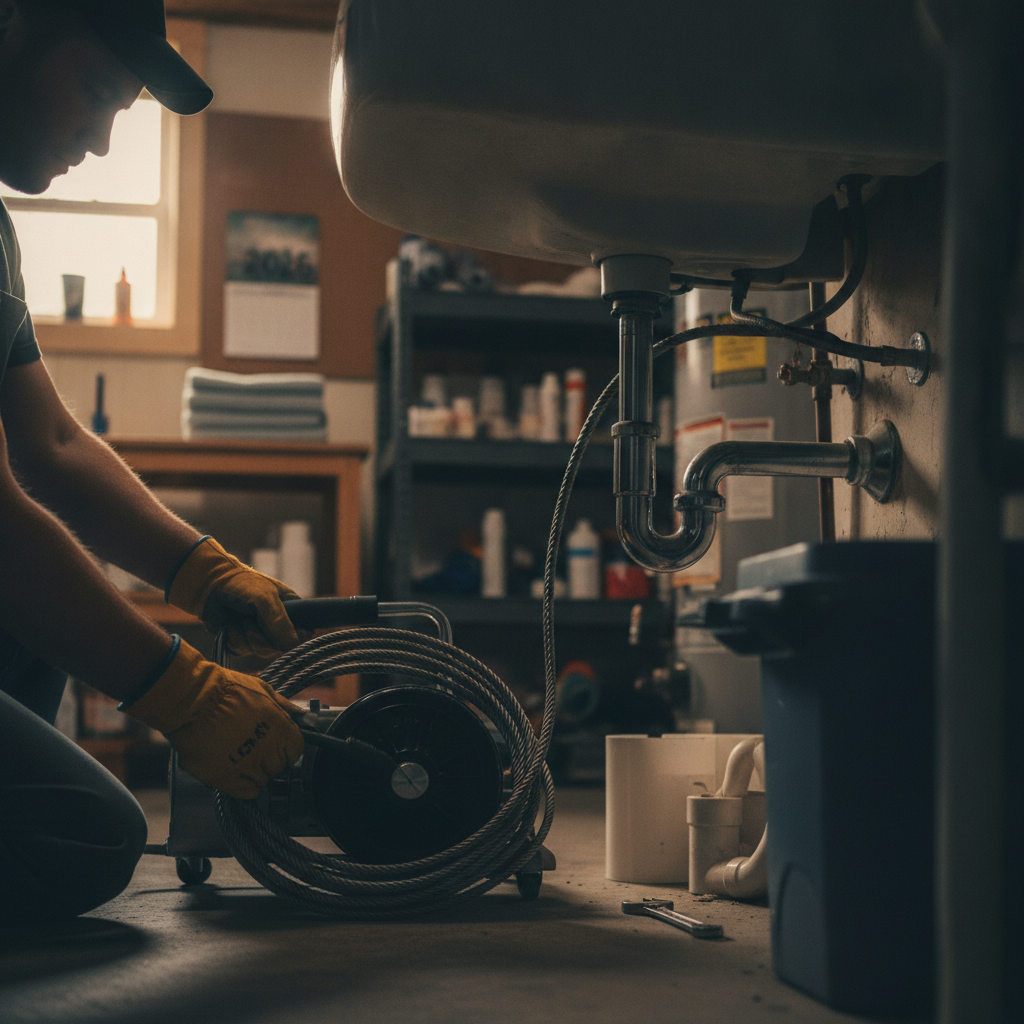
If you’ve ever stared at a slow‑draining sink, a gurgling toilet, or a mysterious wet spot in your basement, you know how quickly a small plumbing issue can become a nightmare. In 2024, 62 % of homeowners said they would rather hold their money in escrow than pay a contractor who “just shows up” – a clear sign that trust, clarity, and predictable pricing are the real missing pieces in the home‑service market.
In this guide we’ll walk you through everything you need to know about drain cleaning and sewer repairs, how to avoid the costly pitfalls of the traditional lead‑fee marketplace, and why the AI‑first workflow from PLMBR is changing the game for both homeowners and pros.
What Homeowners Need To Know About Drain Cleaning & Sewer
The hidden complexity of “simple” drains
A clogged drain isn’t just a matter of pulling a plunger. Modern homes have multiple trap types, pipe materials (PVC, ABS, cast iron), and often share a single main sewer line that serves the entire house. When a blockage occurs, the root cause can be:
- Organic build‑up (hair, grease, soap scum) – usually cleared with mechanical augers.
- Tree root intrusion – requires hydro‑jetting or trenching.
- Pipe collapse or mis‑alignment – may need section replacement.
Understanding which scenario you face helps you ask the right questions and compare quotes accurately.
Common warning signs
| Symptom | Likely Issue | Why it matters |
|---|---|---|
| Water backs up in multiple fixtures | Main sewer line blockage | Indicates a problem affecting the whole house; simple DIY fixes won’t work. |
| Slow draining bathtub but fast kitchen sink | Localized trap or vent issue | Often a cheap fix, but can signal a deeper venting problem if ignored. |
| Foul odor from drains | Biofilm or broken seal | Can lead to health hazards and indicate pipe deterioration. |
| Wet spots in basement or yard | Sewer line leak | Immediate risk of structural damage and mold growth. |
Scroll to see all columns →
If you notice any of these, act fast – the longer a problem sits, the higher the repair cost.
Why the “lead‑fee” model hurts you
Most legacy platforms (Angi, Thumbtack, HomeAdvisor) charge contractors $50‑$150 per lead with no guarantee the lead will convert. Research shows 30‑40 % of those leads never result in a response, inflating contractors’ cost base and pushing price pressure onto you, the homeowner. The result? Vague estimates, endless phone tag, and surprise billing.
Pro‑Tip: When a contractor mentions a “lead fee” or “pay‑per‑lead” model, it’s a red flag that they may be passing hidden costs onto you.
Cost / Risk / Hiring Reality
Below is a realistic snapshot of what typical drain‑cleaning and sewer‑repair projects look like in the Northeast (NYC, Boston, Philadelphia). Numbers are based on industry data from the PHCC and consumer surveys from the BBB.
| Service | Typical Scope | Labor + Materials | Time to Complete | Common Risk Factors |
|---|---|---|---|---|
| Standard Drain Cleaning (sink, tub, shower) | Mechanical auger + chemical flush | $150‑$300 | 1‑2 hrs | Missed root intrusion |
| Hydro‑Jetting (main line) | High‑pressure water jet, camera inspection | $400‑$800 | 2‑4 hrs | Equipment damage if pipe is old |
| Tree‑Root Intrusion Removal | Pipe excavation or trenchless pipe lining | $1,200‑$2,500 | 1‑2 days | Landscape restoration costs |
| Full Sewer Line Replacement | Excavation, new pipe (PVC) + backfill | $4,000‑$9,000 | 2‑5 days | Permit delays, unexpected soil conditions |
| Emergency Call‑Out (after hours) | Same as above, premium labor rate | +30 % on base price | Immediate | Higher chance of rushed work, hidden fees |
Scroll to see all columns →
Key takeaways
- Expect a baseline price range; anything dramatically lower is likely a bait‑and‑switch.
- Progressive billing (milestone payments) protects you from paying the full amount before the job is verified.
- Escrow‑backed payments (held by Stripe until work is confirmed) reduce the risk of surprise bills—a feature built into PLMBR’s workflow.
How To Vet Providers Without Getting Burned
- Check licensing and insurance – Verify the contractor’s state license number on the appropriate licensing board (e.g., NY Department of State). Ask for a copy of liability insurance and workers‑comp coverage.
- Look for detailed, line‑item quotes – A structured booking packet breaks down every task, material, and labor hour. Compare at least three packets side‑by‑side.
- Read verified reviews, not just star ratings – Look for comments about scope clarity and payment experience.
- Confirm escrow or progressive billing – Ask how the payment will be held. Platforms that use Stripe’s authorize‑and‑capture flow keep funds safe until you confirm completion.
- Ask for a recent photo‑or video inspection – Modern pros use a camera snake to show you the exact blockage. This reduces guesswork and protects against “surprise” repairs.
Expert Insight: “The most common complaint I hear from homeowners is that the estimate they receive after a phone call looks nothing like the final bill. A line‑item packet eliminates that surprise.” – John Patel, Licensed Plumber, Boston
Where The Old Workflow Breaks
| Step | Traditional Lead‑Fee Workflow | Pain Point |
|---|---|---|
| Intake | Homeowner fills a generic form; platform matches via keyword search. | Vague description → poor match quality. |
| Provider Contact | Contractor receives a lead and must call back; often multiple callbacks needed. | Endless phone tag; dead leads (30‑40 % never respond). |
| Estimate | Provider gives a verbal or hand‑written estimate; scope is loosely defined. | Scope drift, hidden costs. |
| Payment | Homeowner pays up‑front or on completion; no escrow. | Risk of non‑completion or over‑charging. |
| Dispute | Resolution relies on phone calls and emails; no centralized evidence. | Time‑consuming, low success rate. |
Scroll to see all columns →
These gaps are the direct cause of the “pay‑per‑lead” complaints that dominate BBB filings against Angi and Thumbtack. Contractors spend money on leads that never convert, and homeowners are left chasing quotes, juggling phone calls, and fearing surprise bills.
How PLMBR Changes This Workflow
1. AI‑Powered Conversational Intake
You simply describe the issue in plain English (add photos), and PLMBR’s AI instantly identifies the trade, urgency, and location. No more check‑boxes that miss key details.
2. Semantic Search & Zero‑Dead‑Leads
Instead of keyword matching, PLMBR uses vector embeddings to surface only qualified, available providers. Because the platform only connects you with homeowners who have a verified job, providers never pay for dead leads.
3. Booking Packets – Structured, Compare‑Ready Quotes
Each provider builds a booking packet inside the platform: line‑item pricing, work scope, terms, and milestone billing. The UI renders these packets side‑by‑side (see compare_packets.png), letting you compare apples‑to‑apples without spreadsheet gymnastics.
4. In‑Context Messaging & Agent Coordination
All communications happen inside a single thread. The AI Seeker Agent (premium) can reach out to multiple providers on your behalf, track each response, and surface follow‑up questions—eliminating phone tag entirely.
5. Escrow‑Backed Payments & Progressive Billing
Funds are held in a Stripe‑Connect escrow until you confirm each milestone is completed. For a $2,500 sewer‑line replacement, you might pay 30 % upfront, 40 % after pipe installation, and the final 30 % upon inspection—mirroring the way large construction projects are paid.
6. AI‑Mediated Dispute Resolution
If a scope dispute arises, you upload photos and notes directly in the thread. PLMBR’s AI assembles an evidence pack and suggests a resolution, cutting the back‑and‑forth to a single, data‑driven step.
Bottom Line: By eliminating lead fees, centralizing communication, and making payments transparent, PLMBR removes the three biggest friction points that cause 30‑40 % dead‑lead rates and surprise billing in the traditional market.
Questions To Ask Before Hiring
- What’s included in the booking packet? Look for line items such as “hydro‑jetting,” “camera inspection,” “permit fees,” and “cleanup.”
- How is payment secured? Confirm escrow or progressive billing via Stripe.
- Do you have current liability insurance and a valid state license? Ask for documentation.
- What is your expected timeline and availability? Sync with your calendar via the platform’s Google Calendar integration.
- Will you provide a post‑service inspection report? A video walkthrough proves work was completed as agreed.
Write down the answers before the call; a professional who can respond clearly is a sign of a reliable provider.
Conclusion
Drain cleaning and sewer repairs are essential, but they don’t have to be a source of stress, hidden costs, and endless phone tag. By understanding the true cost structure, vetting providers with detailed booking packets, and avoiding the broken lead‑fee model, you can protect your home and your wallet.
PLMBR offers a seamless, AI‑first workflow that eliminates dead leads, gives you transparent, compare‑ready quotes, and holds payments in escrow until the job is verified. In short, it puts you back in control of your home‑service experience.
Ready to get a clear, no‑surprise quote for your drain or sewer issue?
For more expert guides on home repairs, check out our blog library. Your home deserves a smarter, safer way to get fixed—let PLMBR show you how.