
The Ultimate Homeowner’s Guide to Hiring a Pressure‑Washing Pro (and Why the Old “Lead‑Gen” Model Is Broken)
Pressure washing can make a tired deck, grimy siding, or algae‑slick driveway look brand‑new again. But the hiring process is often a nightmare of phone tag,…
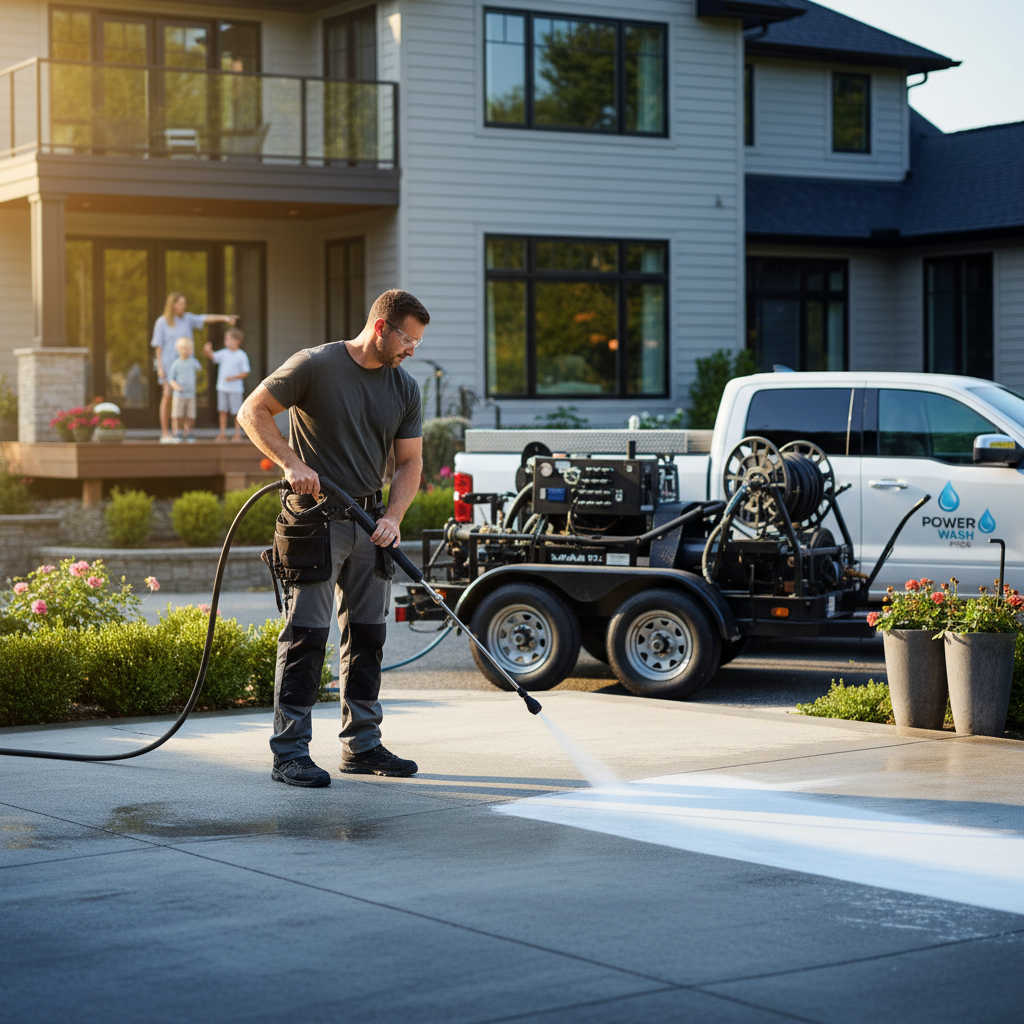
Pressure washing can make a tired deck, grimy siding, or algae‑slick driveway look brand‑new again. But the hiring process is often a nightmare of phone tag, vague estimates, and surprise bills. In 2024, 67 % of mobile‑searchers say they’re more likely to contact a business that offers a clear, online workflow — yet most traditional platforms still rely on outdated lead‑gen tactics.
This guide walks you through everything you need to know before you click “Book Now”: the real costs, hidden risks, how to vet a contractor, where the conventional workflow collapses, and how PLMBR’s AI‑native home‑services platform fixes those break‑points so you can get a clean house and peace of mind.
What Homeowners Need To Know About Pressure Washing
Pressure washing (also called power washing) uses high‑pressure water—sometimes heated—to strip dirt, mold, oil, and graffiti from exterior surfaces. It’s not just about curb appeal; regular cleaning can:
- Extend the lifespan of paint and sealants by up to 30 % (per the EPA).
- Prevent slip hazards on walkways, a common liability in winter months.
- Keep you in good standing with homeowners‑association (HOA) rules that often require a minimum level of exterior cleanliness.
Core Components of a Good Job
| Component | Why It Matters | Typical Options |
|---|---|---|
| Water Temperature | Hot‑water systems remove oil and deep‑set grime 30‑50 % faster than cold water. | Cold‑water (standard) vs. Hot‑water (premium) |
| Nozzle Type | Different pressures prevent surface damage (e.g., a 25‑degree nozzle for siding vs. a 0‑degree “turbo” for concrete). | 0°, 15°, 25°, 40° |
| Eco‑Compliant Wastewater Capture | New regulations in 12 states (2024‑2025) require onsite capture of runoff to avoid fines. | Portable containment tanks, municipal discharge permits |
| Surface Prep/Protection | Masking delicate fixtures avoids etching or paint stripping. | Protective tape, pre‑wash sealing |
Scroll to see all columns →
Understanding these variables helps you ask the right questions and compare quotes on an apples‑to‑apples basis.
Cost / Risk / Hiring Reality
Pricing varies dramatically by geography, equipment, and compliance costs. Below is a snapshot of typical 2024‑2025 numbers pulled from industry research (FieldCamp, FieldPromax, and the Coherent Market Insights report).
| Region / Job Type | Base Cold‑Water Price* | Hot‑Water Premium (+30‑50 %) | Wastewater‑Compliance Add‑On | Typical Labor Mark‑up (2024) |
|---|---|---|---|---|
| Urban New York City (deck) | $350 | $460‑$525 | $150‑$250 (mandatory in NYC) | +7.6 % labor increase YoY |
| Suburban Boston (siding) | $300 | $390‑$450 | $120‑$200 | +7.6 % |
| Rural Upstate NY (driveway) | $200‑$250 | $260‑$375 | $0‑$80 (often exempt) | +7.6 % |
| Small town NH (patio) | $180‑$220 | $235‑$330 | $0‑$70 | +7.6 % |
Scroll to see all columns →
*Base price assumes a standard 3,000 psi, cold‑water unit and no special site constraints.
Hidden Risks
- Surface Damage – Untrained crews can strip paint or etch wood.
- Liability – Slippery runoff creates slip‑and‑fall claims; many insurers require proof of proper wastewater handling.
- Scope Creep – Vague estimates often lead to “extra work” charges after the job has started.
Knowing the typical cost range and risk factors lets you spot outliers before you sign a contract.
How To Vet Providers Without Getting Burned
-
Check Licensing & Insurance
- Verify a liability insurance policy of at least $1 M and a current workers’ comp certificate. PLMBR’s compliance dashboard flags any expired documents automatically.
-
Read Structured Booking Packets
- Modern platforms now deliver line‑item quotes (e.g., “Hot‑water system – $425”, “Wastewater containment – $180”). This eliminates the “$500‑plus‑more” surprise you see on lead‑gen sites.
-
Scrutinize Ratings & HOA References
- Look for verified homeowner reviews and ask for examples of recent work in your community. Many HOAs keep a shortlist of approved vendors; cross‑check against that list.
-
Confirm FSM Integration
- Contractors who sync jobs to ServiceTitan, Jobber, or Housecall Pro usually enjoy tighter scheduling and fewer missed appointments, translating into a +23 % profit margin per FieldCamp data.
-
Ask About Environmental Compliance
- In states with new wastewater rules, ask the contractor how they capture and dispose of runoff. Failure to comply can cost you fines of $2‑5 k/yr (per industry surveys).
Pro‑Tip: Ask the provider to walk you through a sample booking packet before the job. If they can’t produce a clear, line‑item breakdown, walk away.
Where The Old Workflow Breaks
Traditional lead‑gen platforms (Angi, Thumbtack, HomeAdvisor) still operate on a “pay‑per‑lead” model that creates several friction points:
| Break‑Point | Homeowner Pain | Provider Pain |
|---|---|---|
| Phone Tag | Hours lost chasing callbacks | Lost productivity, missed leads |
| Vague Estimates | “$200‑$400” with no detail | Undermines trust; leads to scope disputes |
| Dead Leads | Paid for a lead that never materializes | Wasted ad spend |
| No Escrow | Pay after work → risk of non‑payment or shoddy service | Cash‑flow uncertainty, delayed payouts |
| Fragmented Messaging | Switching between email, SMS, and phone | Lost context, duplicated effort |
| No Compliance Checks | Homeowner unaware of licensing gaps | Legal exposure, insurance issues |
Scroll to see all columns →
These gaps lead to 30‑40 % of homeowners reporting “unfinished or unsatisfactory” pressure‑washing jobs, according to the ROAR! Internet Marketing consumer survey.
How PLMBR Changes This Workflow
PLMBR isn’t a marketplace; it’s an AI‑native home‑services workflow and payments platform that rewrites the entire hiring journey.
1. Conversational AI Intake
You upload a photo of your deck and type, “My wooden deck is covered in algae and the railing is slippery.” The AI instantly:
- Detects the trade (pressure washing).
- Flags HOA or wastewater compliance needs based on your location.
- Generates a concise, structured job request that feeds directly into the matching engine.
2. Semantic Matching & Zero‑Dead‑Leads
Using vector embeddings, PLMBR matches you with vetted pros who:
- Have the required equipment (hot‑water unit, containment tanks).
- Are within a 10‑mile radius (for NY, Boston, Philadelphia, etc.).
- Carry up‑to‑date insurance and licensing, verified automatically.
Because the lead is qualified at intake, providers never pay for dead leads—zero lead‑fee for the pros.
3. Booking Packet Builder (AI‑Generated)
Each provider receives the same AI‑crafted brief and can generate a line‑item packet in seconds:
| Line Item | Qty | Unit Price | Total |
|---|---|---|---|
| Hot‑water pressure washer (4 hr) | 1 | $425 | $425 |
| Wastewater containment tank | 1 | $180 | $180 |
| Surface prep & masking | 2 hrs | $75 | $150 |
| Subtotal | $755 | ||
| Tax (NY) | $64 | ||
| Total | $819 |
Scroll to see all columns →
You can compare up to four packets side‑by‑side on the PLMBR “Compare quotes” page, eliminating guesswork.
4. In‑Context Messaging & AI Agent (Premium)
A personal AI agent contacts all selected pros simultaneously, tracks each response, and surfaces any follow‑up questions directly in the chat thread. No more switching apps—billing requests, dispute forms, and the final packet all live inside the same conversation.
5. Escrow‑Backed Progressive Billing
Funds are authorized via Stripe the moment you accept a packet and are captured only after each milestone (e.g., “pre‑wash completed”) is marked done. For a $800 deck job, you might pay $200 upfront, $300 after cleaning, and $300 after final inspection. This protects both parties and removes the “pay‑after‑work” gamble.
6. AI‑Mediated Dispute Resolution
If a surface gets damaged, the AI pulls the original packet, photos, and chat logs to suggest a settlement. Tiered resolution (repair, discount, or third‑party arbiter) speeds up outcomes that would otherwise drag on for weeks.
Pro‑Tip: Opt into PLMBR’s Premium Seeker Agent (available in New York, Boston, and Philadelphia) to let the AI handle outreach for you—freeing you from chasing 5‑10 providers manually.
Questions To Ask Before Hiring
- Do you have a hot‑water system, and is it included in the quote?
- How do you capture and dispose of runoff? (Ask for a compliance certificate.)
- Can you provide a line‑item booking packet? Look for detailed scope, equipment, and milestone billing.
- What insurance limits do you carry? Minimum $1 M liability is standard.
- Do you sync jobs to an FSM platform? This indicates organized scheduling and reduces no‑shows.
- What is your policy for surface damage? A written guarantee protects you from accidental etching.
Write these down and compare answers across the packets you receive. The contractor who can answer confidently—and in writing—wins the trust vote.
Conclusion: Get a Spotless Home Without the Headache
Pressure washing is a high‑impact, relatively low‑cost upgrade—if you can hire the right professional. The old lead‑gen model leaves you juggling phone calls, vague estimates, and uncertain payment terms. PLMBR eliminates those friction points with AI‑driven intake, semantic matching, structured booking packets, in‑thread messaging, and escrow‑backed progressive billing.
By following the steps in this guide—understanding costs, vetting providers, and using a modern workflow—you’ll protect your home, stay within budget, and enjoy a sparkling finish in days, not weeks.
Ready to experience a stress‑free pressure‑washing hire?
- Visit the PLMBR homepage to see the platform in action.
- Find Pressure Washing pros on PLMBR for your city (NYC, Boston, Philadelphia, and more).
- Compare quotes on PLMBR and watch the AI assemble your perfect booking packet.
- For more homeowner guides, explore our blog.
Your clean home is just a click—and an AI‑assisted workflow—away.
Helpful External Resources
- Environmental Protection Agency (EPA) – Water Use in Pressure Washing – Why eco‑friendly practices matter.
- Occupational Safety and Health Administration (OSHA) – Pressure‑Washing Safety Guidelines – Safety standards for contractors.
- Better Business Bureau – How to Choose a Home Service Contractor – Consumer protection basics.
- This Old House – Pressure‑Washing Tips for Homeowners – Practical do‑it‑yourself advice (if you ever decide to go DIY).
Happy cleaning!
Images for illustration (optional):

The PLMBR AI agent reaching out to multiple vetted pressure‑washing pros in real time.