
The Ultimate Homeowner’s Guide to Hiring a Pressure‑Washing Pro (and Why the Old Lead‑Gen Model Is Costing You)
If you live in New York City, Boston, or Philadelphia and your driveway looks like a coffee‑stain, you’re not alone. The U.S. pressure‑washing market is a…
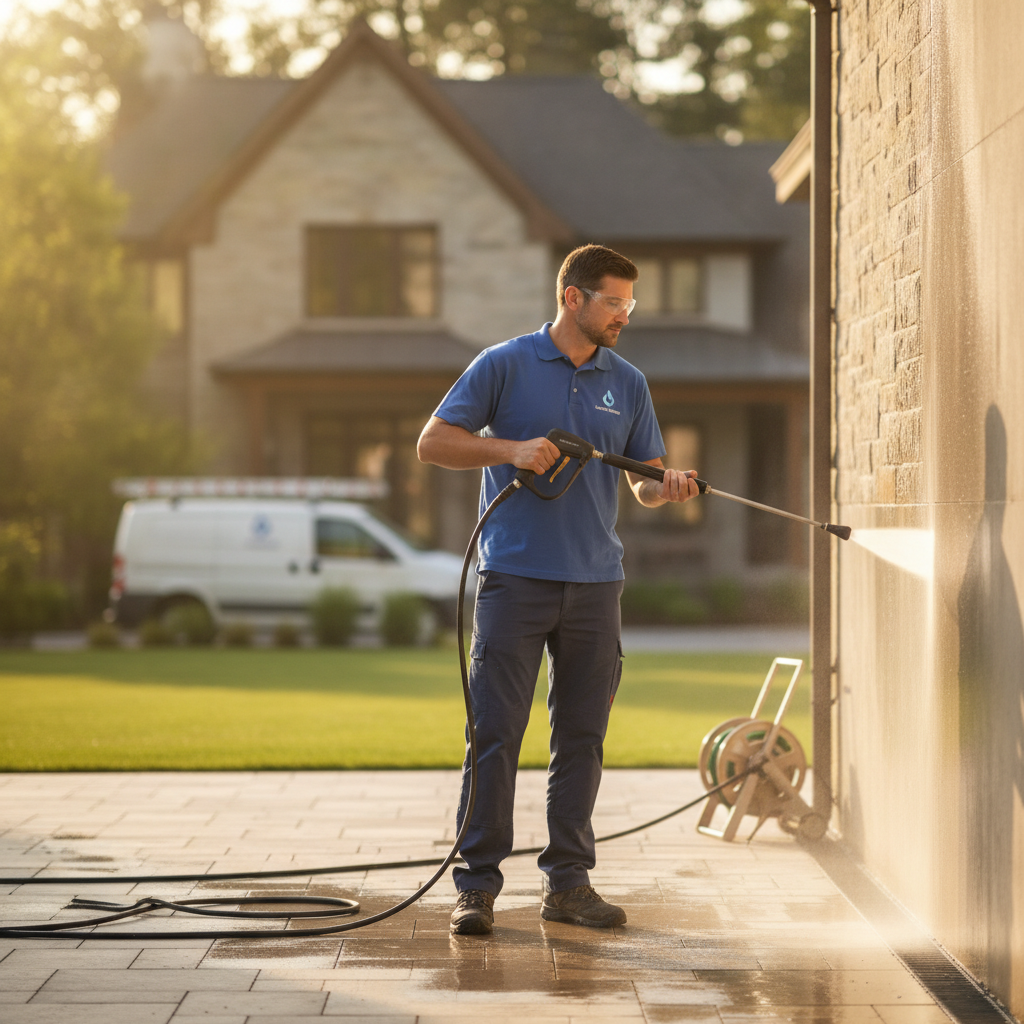
“You’ve probably spent hours on the phone, chased vague quotes, and paid a lead‑fee that never turned into a job. You’re not alone—67 % of new pressure‑washing businesses quit within two years because the old lead‑gen model is broken.”
— PLMBR research, 2026
If you live in New York City, Boston, or Philadelphia and your driveway looks like a coffee‑stain, you’re not alone. The U.S. pressure‑washing market is a $1.2 B industry today and is projected to reach $4 B by 2030【Fortune Business Insights】. Yet the way most homeowners find a pro is still stuck in the 1990s: endless phone tag, vague “$‑on‑the‑spot” estimates, and lead‑fee platforms that drain both your wallet and the contractor’s profit margin.
This guide walks you through everything you need to know before you click “Book Now”—from realistic pricing and safety considerations to a step‑by‑step workflow that eliminates hidden fees and protects your payment. And we’ll show exactly how PLMBR rewrites the hiring script with an AI‑native, escrow‑backed platform that puts you back in control.
What Homeowners Need to Know About Pressure Washing
Pressure washing (also called power washing) uses high‑pressure water, sometimes combined with environmentally‑approved detergents, to strip grime, mold, oil, and paint from exterior surfaces. It’s the fastest way to:
- Restore curb appeal – a clean driveway can increase a home’s resale value by up to 5 % (per This Old House).
- Prevent slip‑and‑fall accidents – algae and oil create hazardous, slippery walkways.
- Maintain warranty compliance – many HOAs require documented cleaning before permitting exterior work.
Key Trade‑offs
| Factor | What It Means for You | Typical Pro Recommendation |
|---|---|---|
| Pressure level (PSI) | Too high → surface etching; too low → ineffective clean. | Residential decks: 1,200‑1,500 PSI; commercial concrete: 2,500‑3,000 PSI. |
| Water temperature | Hot water removes oil faster but uses more energy. | Hot‑water systems for oil‑stained driveways, cold water for delicate siding. |
| Detergent type | Biodegradable, EPA‑approved cleaners protect runoff. | Sodium hypochlorite for mold; citrus‑based for grease. |
| Safety gear | Professional crews wear eye protection, gloves, and often a mask for chemical fumes. | Required by OSHA for any chemical‑based cleaning. |
Scroll to see all columns →
Pro‑Tip: Ask any contractor to spell out the PSI, temperature, and chemicals in the quote. It’s a quick way to weed out “fly‑by‑night” operators who hide risky practices.
Cost / Risk / Hiring Reality
Understanding the true cost of pressure washing helps you avoid surprise bills and low‑ball quotes that can damage your property.
| Metric | Typical Range (U.S.) | Example (NYC) | Source |
|---|---|---|---|
| Residential job price | $275 – $425 per appointment | 2,200 sq ft driveway: $360 | HouseCall Pro |
| Commercial job price | $850 – $3,500 per appointment | 10,000 sq ft warehouse floor: $2,200 | HouseCall Pro |
| Pricing per sq ft (residential) | $0.15 – $0.75 | 2,200 sq ft driveway: $330 | HouseCall Pro |
| Pricing per sq ft (commercial) | $0.05 – $0.35 | 10,000 sq ft floor: $250 | HouseCall Pro |
| Hourly labor rate (national avg.) | $50 – $160/hr | NYC average: $77/hr, avg invoice $308 | TaskRabbit |
| Customer acquisition cost (CAC) for pros | $85 – $180 per residential lead | Typical lead‑gen platform charge | Southeast Softwash |
| Failure rate of new pressure‑washing businesses | 67 % quit within 2 years (pricing errors) | — | FieldCamp AI blog |
Scroll to see all columns →
Hidden Risks
- Lead‑fee scams – platforms like Thumbtack and Angi charge $30‑$100 per lead, but the lead is often sold to dozens of contractors, driving a race‑to‑the‑bottom price.
- Scope creep – vague estimates (“$200‑$300”) leave room for additional “unexpected” tasks that swell the final bill.
- Payment fraud – paying upfront via cash or unverified links can leave you with no recourse if the work is incomplete.
How To Vet Providers Without Getting Burned
-
Check Licensing & Insurance
- Verify state contractor license (e.g., NYS Home Improvement Contractor).
- Ask for a copy of liability insurance and workers’ comp; PLMBR stores these docs in‑chat for easy access.
-
Read Verified Reviews
- Look for reviews on BBB, Better Business Bureau, or Consumer Reports—avoid platforms that only display self‑submitted star ratings.
-
Ask for a Structured Booking Packet
- A booking packet is a line‑item quote that breaks down labor, equipment, chemicals, and milestones.
- It should also include terms & conditions, estimated completion time, and payment schedule.
-
Confirm Safety & Environmental Compliance
- Ask whether the crew follows EPA runoff regulations and OSHA safety standards.
- For HOA‑governed neighborhoods, request a compliance certificate that the cleaning meets local ordinances.
-
Use AI‑Enhanced Comparison Tools
- Services like PLMBR’s compare quotes page let you view multiple structured packets side‑by‑side, instantly highlighting price outliers and missing items.
Where The Old Workflow Breaks
| Step | Traditional Lead‑Gen Flow | Pain Point |
|---|---|---|
| Intake | Homeowner calls multiple directories, fills out generic forms. | Repetitive data entry; missed details (photos, urgency). |
| Matching | Platforms use keyword search → often mismatched trades or far‑away providers. | Longer travel times, higher price. |
| Quote Delivery | Phone call or email with a “ballpark” number. | Vague scope, hidden fees appear later. |
| Communication | Separate email threads, texting, or missed calls. | Phone tag; lost context. |
| Payment | Up‑front cash, check, or unsecured online payment. | Risk of fraud or incomplete work. |
| Dispute | No built‑in resolution; homeowner must chase contractor or file a small‑claims suit. | Time‑consuming, stressful. |
Scroll to see all columns →
These friction points are why 67 % of new pressure‑washing businesses fail—they spend more on acquiring leads than on delivering quality work, and homeowners are left with “ghosted” jobs and surprise bills.
How PLMBR Changes This Workflow
1. Conversational AI Intake
You describe the issue in plain English (e.g., “oil stain on 2,200 sq ft driveway, photos attached”). The AI instantly identifies the trade, location, and urgency, then asks only the follow‑up questions that improve match quality.
2. Semantic Search & Smart Matching
Instead of keyword matching, PLMBR uses vector embeddings to surface the best‑fit, local, vetted pressure‑washing pros—ranked by ratings, availability, and verified insurance.
3. AI Seeker Agent (Premium)
A personal AI agent contacts multiple providers at once, tracks each response, and surfaces the status in a clean dashboard. You never have to chase a contractor again.
4. Structured Booking Packets
Every provider’s quote appears as an inline packet in the chat thread, with line‑item pricing, equipment list, chemicals, and milestone billing. You can compare up to three packets side‑by‑side on the compare quotes page.
5. In‑Context Messaging & Escrow Payments
All communication lives in a single thread. When you approve a packet, Stripe‑Connect holds the funds in escrow until you confirm the work is complete. For larger jobs, progressive billing releases payments milestone‑by‑milestone.
6. AI‑Mediated Dispute Resolution
If a problem arises, the AI suggests evidence packs (photos, chat logs) and recommends resolutions. The dispute is logged within the same thread, preserving the context needed for a swift outcome.
7. Zero‑Lead‑Fee for Providers
Providers only see qualified jobs—no pay‑per‑lead fees, no duplicate leads, and no wasted marketing spend. This creates a healthier market where pros can price correctly and stay profitable.
Pro‑Tip: When you see a booking packet, look for the “Progressive Billing” toggle. It signals that the contractor is confident enough to stake a portion of the payment on each completed milestone—an extra safety net for you.
Questions To Ask Before Hiring
- What pressure (PSI) and temperature will you use, and why?
- Which EPA‑approved detergents are you planning, and can you provide a Safety Data Sheet?
- Do you carry liability insurance and workers’ comp? (Ask to see the documents in the chat.)
- Can you provide a line‑item booking packet with milestones and an escrow payment schedule?
- How do you handle runoff and local HOA compliance? (Request a compliance attachment.)
- What’s your policy for post‑job disputes? (Look for AI‑mediated dispute flow.)
- Do you sync jobs to my preferred calendar (Google/Outlook) so I can see the exact appointment window?
If a provider hesitates on any of these, consider moving on. The best pros will welcome transparency because it reduces their own admin burden.
Conclusion
Pressure washing should be a quick, clean, and worry‑free upgrade to your home’s exterior—not a marathon of phone calls, vague quotes, and hidden fees. The industry’s growth—$1.2 B today, $4 B by 2030—means demand is high, but the legacy lead‑gen model is costing both homeowners and contractors dearly.
PLMBR eliminates those pain points with an AI‑native workflow that:
- Turns a single photo and description into a qualified, matched provider list.
- Delivers structured, side‑by‑side booking packets for transparent pricing.
- Holds your money in escrow until you confirm the job is done.
- Provides progressive billing, compliance docs, and AI‑mediated dispute resolution—all inside one chat thread.
Ready to experience a cleaner driveway without the chaos? Visit the PLMBR homepage, find vetted Pressure‑Washing pros on PLMBR, and compare quotes on PLMBR today. Your home—and your wallet—deserve a smarter, safer way to shine.
Further Reading
- EPA – Water Conservation & Runoff Guidelines
- OSHA – Safety Standards for Pressure Washing
- Better Business Bureau – How to Spot Lead‑Fee Scams
- This Old House – DIY vs. Professional Pressure Washing
Explore more home‑service guides in our blog library.