
The Ultimate Homeowner’s Guide to Hiring a Pressure‑Washing Pro (and Why the Old Lead‑Gen Model Is Failing)
When the summer heat turns your driveway into a stained runway, the first thought is “pressure wash it.” Yet the reality of finding a reliable pro is often a…
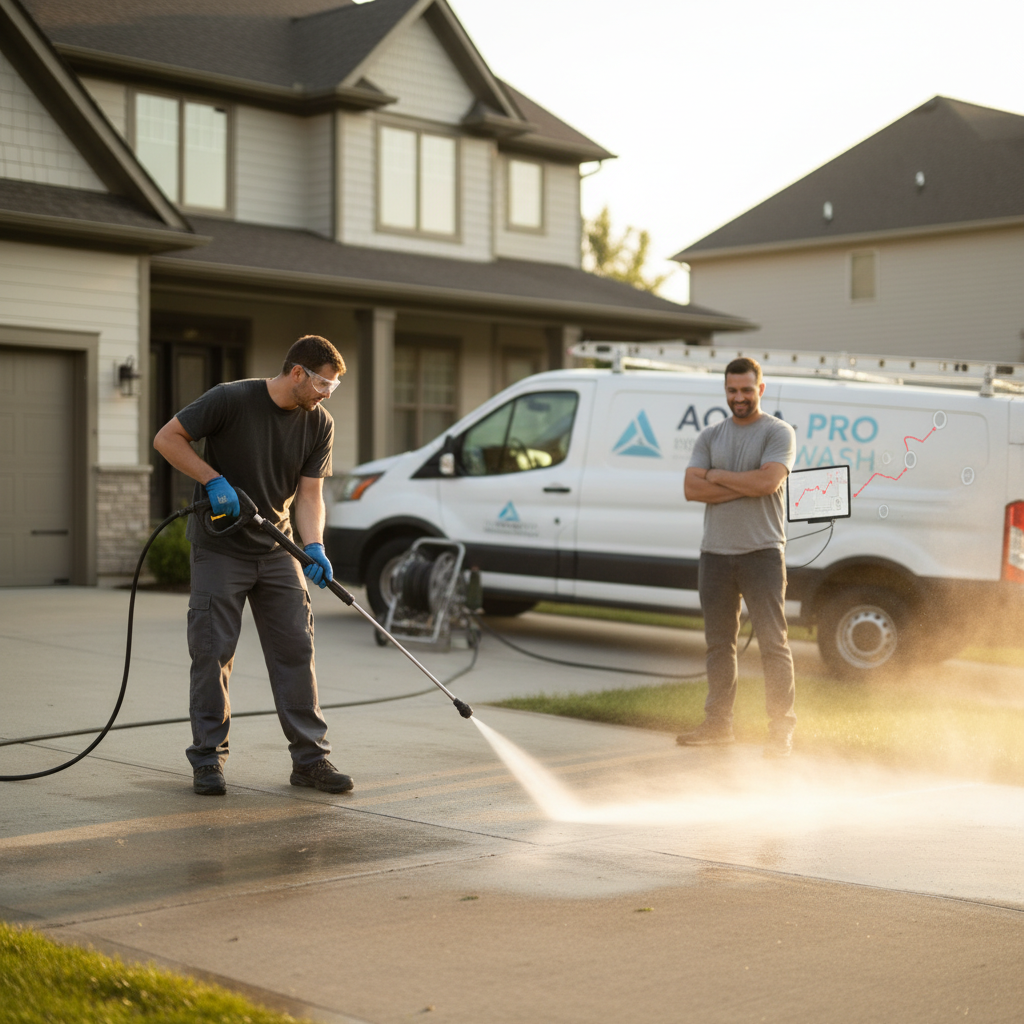
When the summer heat turns your driveway into a stained runway, the first thought is “pressure wash it.” Yet the reality of finding a reliable pro is often a nightmare of endless phone tag, vague “ball‑park” estimates, and the lingering fear that the high‑pressure stream will strip paint or crack siding.
A recent Housecall Pro survey found 45 % of homeowners worry about paying before work is completed, while 70 % cite surface damage as their top concern【2】. Add to that the 30 % revenue loss many providers experience on pay‑per‑lead platforms【4】, and it’s clear the traditional hiring workflow is broken.
In this guide we’ll walk you through everything you need to know before you click “Book Now”—from realistic pricing and liability checks to a step‑by‑step workflow that eliminates the usual frustrations. We’ll also show how PLMBR’s AI‑native home‑services workflow and payments platform rewrites the script, giving you transparent quotes, escrow‑backed payments, and a single thread for all communication.
What Homeowners Need To Know About Pressure Washing
Pressure washing (sometimes called power washing) uses a high‑pressure water jet to strip dirt, mold, algae, and oil from exterior surfaces. It’s effective on:
- Driveways & sidewalks – remove oil stains, tire marks, and moss.
- House exteriors – clean vinyl siding, brick, stucco, and wood.
- Decks & patios – refresh composite or wood decking.
- Outdoor furniture & equipment – eliminate grime from grills, playsets, and awnings.
When to Call a Pro vs. DIY
| Situation | DIY Feasibility | When to Hire a Pro |
|---|---|---|
| Small patio (≤ 200 sq ft) | ✔️ Light‑pressure washer, low cost | If you lack equipment or want a flawless finish |
| Large driveway (≥ 2,000 sq ft) | ❌ Time‑consuming, risk of uneven coverage | Professional for speed, uniform pressure, and proper surface protection |
| Multi‑story home with delicate siding | ❌ High‑pressure can damage | Pro with experience in low‑pressure “soft‑wash” methods |
| HOA‑regulated community | ✔️ May be allowed with low‑pressure methods | Pro who knows local HOA rules and can provide documentation |
Scroll to see all columns →
Pro‑Tip: Many HOAs require a written “clean‑up” report after pressure washing. A reputable provider will supply this automatically—ask for it up front.
Cost / Risk / Hiring Reality
Understanding the financial and risk landscape helps you set realistic expectations and avoid surprise bills.
| Item | Typical Range (U.S.) | Key Variables | Why It Matters |
|---|---|---|---|
| Base residential drive‑way wash | $250 – $800 | Surface size, material, level of staining | Sets a baseline; most quotes fall in this band【1】 |
| Full‑house exterior (2‑story) | $1,200 – $2,500 | Height, siding type, need for low‑pressure “soft‑wash” | Higher price reflects safety precautions to avoid damage |
| Deck or patio cleaning | $300 – $900 | Wood vs. composite, stain removal | Wood decks may need sealing afterward—ask if included |
| Eco‑friendly detergent add‑on | $50 – $150 | Biodegradable solutions, local water‑use regulations | Important in states with water‑runoff limits (NY, MA) |
| Progressive billing (milestone) | 20 % upfront, 40 % midway, 40 % on completion | Reduces homeowner risk, aligns cash flow for pros | Available on PLMBR via escrow‑backed Stripe flow |
| Insurance / licensing verification | Free to view on PLMBR profile | Liability coverage, workers‑comp, contractor license | Protects you if a hose bursts or a worker gets injured |
Scroll to see all columns →
Research Anchor: Jobber’s industry statistics show the average residential pressure‑washing job costs between $500 and $2,000, confirming the ranges above【1】.
How To Vet Providers Without Getting Burned
The market is flooded with “pressure‑washing” listings, but not all are created equal. Use this checklist to separate qualified pros from the noise.
- Verify Licensing & Insurance – Look for a current liability policy and workers’ compensation. PLMBR automatically flags expired documents.
- Read Structured Booking Packets – Unlike vague estimates, a packet lists every line item (e.g., “Pre‑wash detergent $45”, “Pressure wash driveway $350”). Compare at least three packets side‑by‑side.
- Check Surface‑Specific Experience – Ask for recent photos of similar jobs (e.g., brick façade, cedar deck). Providers with a documented portfolio are less likely to cause damage.
- Confirm Eco‑Compliance – If you’re in a water‑restricted city, ask whether the pro uses low‑flow nozzles or reclaimed water. State regulations (e.g., NY DEC Water Use Rules) often require this.
- Look for Transparent Payment Terms – An escrow‑backed workflow means the provider cannot take money until you confirm the job is complete. Avoid any contractor who requests full cash upfront.
Pro‑Tip: Use PLMBR’s AI‑powered semantic search to filter providers by rating, distance, and verified compliance—all before you even type a single message.
Where The Old Workflow Breaks
Traditional lead‑gen platforms (Angi, Thumbtack, HomeAdvisor) still rely on a fragmented process that creates friction for both sides.
| Broken Step | Homeowner Pain | Provider Pain | How It Happens |
|---|---|---|---|
| Phone‑Tag Intake | Repeating the same description to multiple callers; days of silence | Wasting time on low‑quality inquiries | Manual phone calls, no smart intake |
| Vague “Ball‑park” Quote | Unclear cost, hidden fees, scope creep | Competes on price alone, often under‑bids | No structured line‑item quoting |
| Pay‑Per‑Lead Fees | Providers pass fees to you via higher prices | 30 % revenue loss on dead leads【4】 | Lead marketplaces charge per contact |
| Fragmented Messaging | Multiple email threads, lost attachments | Missed follow‑ups, duplicated work | No single‑thread conversation |
| Payment Risk | Paying upfront, fearing incomplete work | Chasing late payments, cash‑flow gaps | Direct bank transfer or cash only |
| Dispute Resolution | No clear path, endless back‑and‑forth | Reputation damage, legal exposure | No mediated system |
Scroll to see all columns →
These pain points are why homeowners report a 68 % willingness to pay extra for escrow‑backed payment protection【5】—the market is demanding a safer, more transparent workflow.
How PLMBR Changes This Workflow
PLMBR is not a marketplace; it’s an AI‑native home‑services workflow and payments platform that reshapes every step from intake to payment.
1. Conversational AI Intake
You describe the problem in plain English, attach photos, and the AI instantly identifies the trade, urgency, and location. No more repetitive phone calls.
2. Semantic Matching & Provider Agent Outreach (Premium)
PLMBR’s vector‑based search finds the best‑fit pros within minutes. The built‑in AI agent contacts multiple providers simultaneously, tracks each response, and surfaces clarifying questions directly in the chat.
3. Booking Packet Builder
Providers generate structured, line‑item quotes automatically. The packet includes scope, pricing, terms, and a suggested billing schedule—ready for side‑by‑side comparison.
4. Compare‑Packets View
A single screen shows all received packets with color‑coded risk flags (e.g., “Potential surface damage”). You can tick boxes to highlight the best value, eliminating guesswork.
5. Escrow‑Backed Stripe Payments & Progressive Billing
Funds are authorized but held in escrow until you confirm completion. For larger jobs, milestones release partial payments, protecting both parties.
6. In‑Context Messaging & Dispute Resolution
All communication lives in one thread. If a dispute arises, the AI mediates by pulling photos, contract clauses, and payment records into a single evidence pack, then recommends a fair resolution.
7. Zero Dead Leads & Compliance Management
Providers only see qualified jobs—no pay‑per‑lead fees. The platform also tracks insurance expirations and HOA compliance, alerting both sides before a job starts.
Research Anchor: The 30 % revenue loss on lead‑fees reported by PureSeal Services is eliminated by PLMBR’s Zero Dead Leads model, giving providers a qualified pipeline without hidden costs【4】.
Questions To Ask Before Hiring
Even with a platform that automates much of the vetting, a few targeted questions ensure you’re fully protected.
-
What pressure (psi) will you use on my surface?
- High‑pressure (≥ 2,500 psi) can strip paint; low‑pressure “soft‑wash” is safer for delicate siding.
-
Do you provide a written, line‑item booking packet?
- Look for clear cost breakdowns, milestones, and warranty terms.
-
How do you handle water runoff and local regulations?
- In NY and MA, the Department of Environmental Conservation mandates runoff containment; ask for compliance proof.
-
What insurance limits do you carry?
- Minimum $1 million general liability is industry standard.
-
What is your escalation process if damage occurs?
- A reputable pro will have a documented remediation plan and will work with your insurer.
-
Can you integrate the job with my existing FSM (e.g., Jobber, ServiceTitan)?
- PLMBR pushes confirmed jobs to major FSM platforms, keeping your calendar in sync.
Conclusion
Pressure washing can revive your home’s curb appeal in a single day—if you can navigate the outdated hiring maze that still dominates the industry. The data is clear: homeowners fear damage and payment risk, while providers lose up to 30 % of revenue on dead leads.
PLMBR flips the script with an AI‑driven intake, structured booking packets, escrow‑backed payments, and a unified messaging thread. The result? Faster matches, transparent pricing, and peace of mind for both sides.
Ready to experience a smoother, safer pressure‑washing hiring process? Visit the PLMBR homepage, browse pressure‑washing pros in your city, and compare quotes side‑by‑side. For more expert guides on home services, explore our blog library.
Take control of your home’s next deep clean—let AI do the legwork, so you can enjoy the shine.