
The Ultimate Homeowner’s Guide to Hiring a Pressure‑Washing Pro in 2026 (Without Phone Tag, Hidden Fees, or Surprise Damage)
Imagine this: you’ve just spotted years of grime on your driveway, the siding looks like it’s been through a rainstorm, and the sidewalk is slick with algae.…
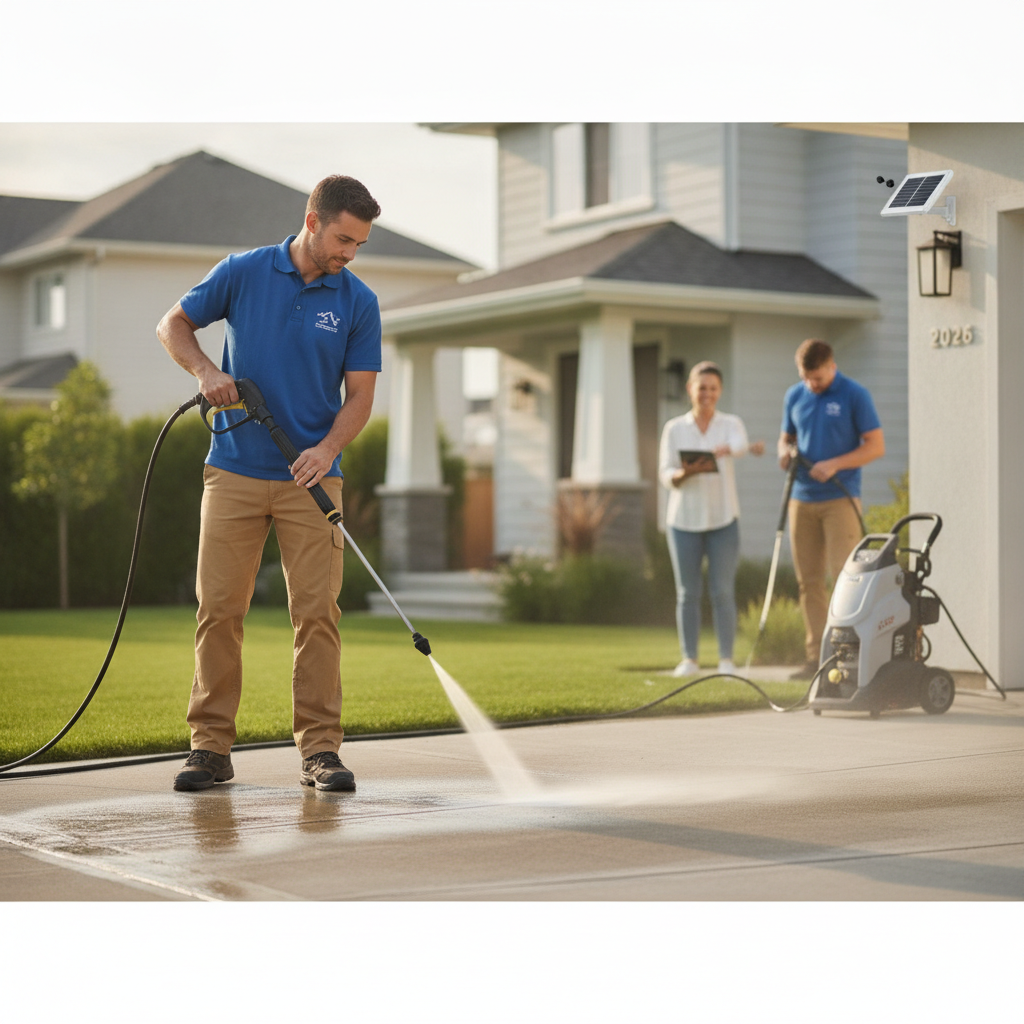
Imagine this: you’ve just spotted years of grime on your driveway, the siding looks like it’s been through a rainstorm, and the sidewalk is slick with algae. You pick up the phone, call five “top‑rated” pressure‑washing companies, leave three voicemails, and spend four days juggling callbacks before you finally get a single quote. By the time you’re ready to book, you’re not sure what you’ll actually be paying, whether the contractor’s insurance covers accidental damage, or if your HOA will even approve the work.
You’re not alone. 42 % of homeowners report three‑plus days of phone‑tag before securing a quote (Jobber Home Service Customer Service Report, 2024). And even when you do get a quote, most lead‑gen sites hand you a vague “ball‑park” number that hides line‑item costs, leaving you vulnerable to surprise bills or, worse, damage to your home.
This guide walks you through everything you need to know about pressure washing—costs, risks, how to vet providers, and why the old lead‑gen model is broken. Most importantly, it shows how PLMBR’s AI‑native workflow eliminates the pain points that have plagued the industry for years.
What Homeowners Need to Know About Pressure Washing
Pressure washing (also called power washing) uses high‑pressure water to strip dirt, mold, mildew, oil, and paint from exterior surfaces. It’s a quick way to boost curb appeal, extend the life of siding, and keep walkways safe.
| Surface | Typical Pressure Range | Why It Matters |
|---|---|---|
| Concrete driveway | 2,500‑3,000 psi | Removes oil stains and deep‑set grime. |
| Vinyl or fiber‑cement siding | 1,200‑1,800 psi | Cleans without gouging the material. |
| Wood decks | 500‑800 psi (often with a soft‑wash solution) | Prevents splintering or erosion of wood fibers. |
| Asphalt pavement | 2,000‑2,500 psi | Restores dark, uniform color without cracking. |
Scroll to see all columns →
Key takeaways
- Surface‑specific pressure matters. Too much pressure can strip paint, crack wood, or etch concrete.
- Eco‑friendly detergents are increasingly required by municipalities (e.g., Boston’s water‑runoff regulations) to protect local waterways.
- Safety first: Wet surfaces become slippery, and high‑pressure streams can embed debris into porous materials if not rinsed correctly.
Cost, Risk, and Hiring Reality
Below is a snapshot of the most common numbers homeowners encounter. These figures are drawn from the HomeAdvisor 2024 Pricing Guide and industry surveys.
| Job Type | Average Cost (USD) | Cost per Square Foot | Typical Time to Complete |
|---|---|---|---|
| Driveway (2,000 sq ft) | $200 – $500 | $0.10 – $0.25 | 2 – 3 hours |
| House siding (1,500 sq ft) | $300 – $800 | $0.20 – $0.35 | 3 – 5 hours |
| Deck (400 sq ft) | $150 – $350 | $0.38 – $0.88 | 2 – 3 hours |
| Commercial storefront (5,000 sq ft) | $1,200 – $2,500 | $0.24 – $0.50 | 1 – 2 days |
Scroll to see all columns →
Hidden Risks
- Damage to siding or wood can cost $200‑$1,500 to repair, especially if the contractor lacks proper insurance.
- Slip‑hazard lawsuits: A wet sidewalk left unattended for more than 30 minutes can lead to liability claims, especially in high‑traffic areas.
- HOA compliance: Many homeowners associations require documented proof of cleaning (photos, signed completion forms). Failure to provide this can result in fines or the need to redo the work.
Pro tip: Ask any contractor for proof of liability insurance before they start. A reputable pro will upload their certificate to the job thread, making verification instant.
How to Vet Providers Without Getting Burned
-
Check Licensing & Insurance
- Verify the contractor’s license on your state’s licensing board (e.g., NY Department of Labor).
- Look for a certificate of insurance that lists both general liability and workers’ comp.
-
Demand a Structured Quote
- Line‑item pricing (e.g., “Driveway – $0.12/sq ft, Detergent – $50, Travel – $30”).
- Scope of work that lists surface preparation, pressure level, and post‑wash cleanup.
- Milestone billing for larger jobs (e.g., 50 % upfront, 50 % on completion).
-
Read Real‑World Reviews, Not Just Star Ratings
- Look for mentions of damage, missed appointments, or unexplained extra charges.
- Platforms that allow homeowners to upload before/after photos are gold.
-
Confirm HOA or Municipal Requirements
- Some cities (e.g., Boston) require a water‑runoff mitigation plan or proof that biodegradable cleaners were used.
-
Avoid Pay‑Per‑Lead Traps
- Contractors on sites like Angi or Thumbtack often pay $15‑$30 per lead and may chase dead leads just to recoup costs. This can translate into higher prices for you.
Where the Old Workflow Breaks
| Step | Traditional Lead‑Gen Model | Pain Point |
|---|---|---|
| 1. Search | Keyword‑based directories, vague “top‑rated” lists | Hard to know if the pro actually matches your trade, location, or availability. |
| 2. Contact | Phone calls, email back‑and‑forth, multiple voicemails | Phone tag – 42 % of homeowners waste >3 days (Jobber, 2024). |
| 3. Quote | Hand‑written estimates, PDF attachments, “ball‑park” range | No line‑item transparency; hidden fees appear later. |
| 4. Payment | Cash, check, or unsecured online payment | Risk of non‑payment or being charged for incomplete work. |
| 5. Dispute | In‑person negotiations, legal letters | Time‑consuming, costly, and often ends in bad reviews. |
Scroll to see all columns →
The result? Homeowners feel powerless, while contractors waste hours chasing dead leads and defending against unfounded complaints.
Industry reality: 68 % of contractors cite hidden lead fees as the biggest downside of Angi/Thumbtack (Shawn McCadden, 2025). This fee pressure pushes prices up for the consumer.
How PLMBR Changes This Workflow
PLMBR is not a marketplace; it’s an AI‑native home services workflow and payments platform that removes every friction point listed above.
| PLMBR Feature | What It Replaces | Homeowner Benefit |
|---|---|---|
| Conversational AI Intake | Phone calls & manual forms | Describe your issue in plain English, attach photos, and the AI instantly identifies trade, urgency, and location. |
| Semantic Search & Matching | Keyword lists | Vector‑based matching finds providers with the right equipment, availability, and high ratings—no guesswork. |
| AI Agent Outreach (Premium) | Multi‑provider phone tag | One click sends an AI‑driven agent to contact all qualified pros simultaneously, surfacing replies in a single thread. |
| Booking Packet Comparison | Hand‑written estimates | Structured, line‑item quotes are generated automatically and displayed side‑by‑side for easy comparison. |
| Escrow‑Backed Payments (Stripe Connect) | Cash/check or unsecured online payment | Funds are held safely until you confirm the job is complete, protecting you from over‑charging or unfinished work. |
| Progressive Billing | Up‑front full price | Milestone‑based billing lets you pay in stages (e.g., 30 % after prep, 70 % after final rinse). |
| In‑Context Dispute Resolution | Legal letters & phone calls | AI‑mediated dispute forms collect evidence (photos, receipts) and suggest resolutions before any lawyer is involved. |
| Zero Dead Leads for Providers | Pay‑per‑lead fees | Contractors only see jobs that are qualified, verified, and paid‑in‑escrow—no wasted outreach. |
Scroll to see all columns →
A Real‑World Example
- You upload a photo of your stained driveway via the PLMBR app.
- The AI asks one clarifying question (“Is the driveway concrete or paver?”) and then presents four vetted pros in your area.
- You click “Agent handle outreach”; the PLMBR AI agent contacts all four, gathers their booking packets, and presents a compare view (see screenshot
compare_packets.png). - You select the packet that fits your budget, approve the escrow hold, and schedule the job directly from the chat thread.
- After the crew finishes, you review before/after photos, confirm satisfaction, and release the funds.
All of this happens without ever dialing a phone number and without paying a lead‑generation fee.
Questions to Ask Before Hiring
- Do you have a current liability insurance certificate and workers’ comp coverage?
- Can you provide a line‑item booking packet that includes pressure level, cleaning solution, and post‑wash drying time?
- What is your protocol for protecting adjacent landscaping and preventing slip hazards?
- Are you familiar with local HOA or municipal cleaning ordinances (e.g., Boston water‑runoff rules)?
- Do you accept escrow‑backed payments, and can you break the invoice into milestones?
If a contractor hesitates on any of these, it’s a red flag. With PLMBR, you’ll see these answers in the thread before you even click “Book”.
Conclusion: Clean Surfaces, Clean Process
Pressure washing should be a quick win for your home’s curb appeal—not a week‑long saga of phone calls, vague quotes, and hidden fees. By understanding the true cost per square foot, the risks of damage or slip‑hazards, and the pitfalls of traditional lead‑gen platforms, you can make an informed decision that protects your wallet and your property.
PLMBR eliminates the broken steps of the old workflow with AI‑driven intake, semantic matching, structured booking packets, and escrow‑backed payments. The result? Transparent pricing, zero dead leads for contractors, and a hassle‑free hiring experience—all inside a single chat thread.
Ready to ditch phone tag and get real, comparable quotes for your pressure‑washing project?
- Visit the PLMBR homepage to see how the platform works.
- Find vetted Pressure‑Washing pros on PLMBR in your city.
- Compare quotes on PLMBR and choose the packet that fits your budget and timeline.
Your driveway, siding, and deck deserve a professional clean—your hiring process deserves the same level of precision.
External Resources & Further Reading
- HomeAdvisor – Pressure Washing Cost Guide (2024) – Benchmark pricing data.
- Boston Municipal Code § 5‑7‑12 – HOA Cleaning Documentation – Compliance requirements for historic districts.
- EPA – Environmentally Safer Pressure‑Washing Practices – Guidance on biodegradable detergents and runoff.
- OSHA – Safety Standards for Pressure‑Wash Equipment – Preventing injuries and property damage.
Take control of your exterior cleaning today—let PLMBR’s AI‑native platform handle the logistics while you enjoy a spotless home.