
The Ultimate Homeowner’s Guide to Hiring an Exterior Painter in 2024
Your home’s curb‑appeal is priceless, but the process of getting a fresh coat can feel like a maze of phone‑tag, vague quotes, and hidden fees. This guide…
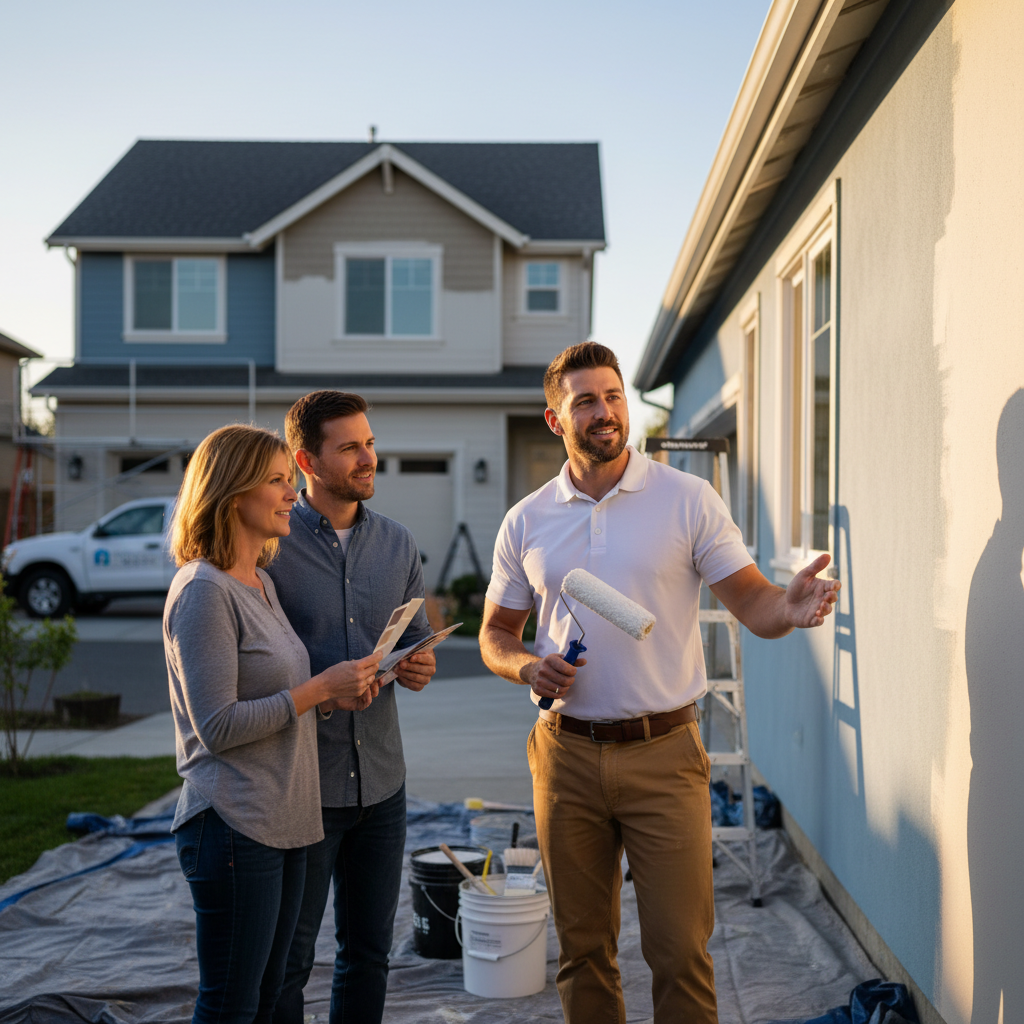
Your home’s curb‑appeal is priceless, but the process of getting a fresh coat can feel like a maze of phone‑tag, vague quotes, and hidden fees. This guide walks you through everything you need to know—costs, risks, vetting tips, and why an AI‑native workflow like PLMBR is reshaping the market.
Introduction
Imagine you’ve just spotted a sun‑bleached streak on your New York City townhouse’s façade. You snap a photo, fire off a quick text to a few “local painters” you found on a lead‑gen site, and then spend the next week chasing voicemail after voicemail. When you finally get a “ballpark” estimate—$2,500‑$3,000—it’s vague, the scope is fuzzy, and you’re still unsure if the contractor will actually show up or finish on time.
You’re not alone. A JD Power 2026 U.S. Paint Satisfaction Study shows that exterior‑paint prices have risen ≈ $3.22 per gallon, driving homeowners to scrutinize every line on a quote. Meanwhile, industry insiders report that 30‑40 % of leads generated by traditional platforms never convert, leaving contractors frustrated and homeowners stranded in a loop of dead leads and phone‑tag.
The good news? The same AI technology powering chatbots and recommendation engines can also turn this chaotic hiring process into a streamlined, transparent workflow—exactly what PLMBR does for exterior painting projects.
What Homeowners Need to Know About Exterior Painting
1. The Scope Goes Beyond a Simple Brush‑stroke
Exterior painting touches every exterior surface: siding, trim, doors, windows, and sometimes decks or fences. Each material (wood, vinyl, stucco, fiber‑cement) demands a specific prep method, primer type, and finish.
- Surface preparation (cleaning, sanding, caulking) can consume 30‑40 % of total labor time.
- Weather constraints: Paint needs at least 24 hours of dry conditions between coats; high humidity or sub‑10°F temperatures can delay the job by days.
2. Paint Quality Impacts Longevity and Cost
Four major paint manufacturers dominate the U.S. market (PPG, Sherwin‑Williams, Benjamin Moore, BEHR), controlling roughly 90 % of volume. Premium low‑VOC or acrylic‑latex paints may cost 20‑30 % more per gallon, but they offer better adhesion and weather resistance, reducing the need for a repaint in the next 5‑7 years.
3. Permits and Regulations Can’t Be Ignored
- Lead‑paint rules: Any home built before 1978 must be tested for lead before sanding or scraping.
- Historic districts: Some cities (e.g., Boston’s Beacon Hill) require permits for color changes.
Failure to comply can result in hefty fines and even legal liability.
4. Timing Is Everything
The peak season (late spring to early fall) can push contractor rates up 15‑25 % due to demand spikes. Scheduling in the shoulder months (late May, early September) often yields better pricing and more flexible crew availability.
Cost / Risk / Hiring Reality
Below is a realistic cost breakdown for a typical 2,000‑sq‑ft single‑family home in the Northeast, based on data from the Alpha Painting cost‑factor guide and recent market price shifts.
| Item | Typical Range (USD) | What It Covers | Why It Matters |
|---|---|---|---|
| Paint (premium low‑VOC) | $600‑$1,200 | 8–10 gal at $70‑$120/gal (reflects +$3.22/gal price rise) | Transparent material cost prevents hidden mark‑ups. |
| Surface Prep (cleaning, sanding, caulking) | $800‑$1,200 | Labor + consumables (masking, fillers) | Prep is often the hidden cost that drives “ballpark” variance. |
| Labor (application) | $1,200‑$2,000 | Skilled crew hours, safety equipment | Labor shortage can inflate rates; AI‑driven scheduling can mitigate. |
| Travel & Mobilization | $150‑$300 | Crew transport, equipment load‑in/out | Often omitted in vague estimates, leading to surprise bills. |
| Permits / Lead‑Paint Testing | $150‑$350 | City permits, EPA lead‑test kits | Required for compliance; missing this can halt a job. |
| Total Estimated Cost | $2,900‑$5,350 | — | Provides a full, line‑item view versus a “ballpark” figure. |
Scroll to see all columns →
Key Risks
- Scope creep: Unclear line items lead to additional work charges after the job starts.
- Payment risk: Paying upfront on a traditional platform leaves you exposed if the contractor disappears.
- Dead leads: On average, 30‑40 % of leads on lead‑gen sites never result in a real quote, wasting both your time and the contractor’s.
How To Vet Providers Without Getting Burned
-
Check Licensing & Insurance
- Verify state contractor license numbers (e.g., NY State Department of Labor Licensing)
- Confirm liability insurance and workers‑comp coverage; PLMBR’s compliance hub automatically flags expired policies.
-
Ask for a Structured Booking Packet
Look for a line‑item quote that itemizes paint, prep, labor, and any permits. If a contractor only offers a “ballpark” range, move on. -
Review Past Work with Photos
High‑resolution before/after images give insight into surface prep quality and finish consistency. -
Confirm Calendar Availability
Contractors who sync their calendars with Google or Outlook can provide real‑time windows—critical for weather‑dependent exterior jobs. -
Read Verified Reviews & Ratings
Platforms that aggregate verified homeowner feedback (e.g., Better Business Bureau, Angi) are useful, but PLMBR’s AI‑driven rating engine also weighs completion rate, dispute history, and on‑time performance for a more holistic view. -
Validate Compliance Documents
For pre‑1978 homes, request a recent lead‑paint test report. For historic districts, ask for a copy of the city permit.
Pro‑Tip: Always request the contractor’s contractor insurance certificate and license copy before they start any work. A quick scan can reveal expiration dates that would otherwise be missed.
Where The Old Workflow Breaks
| Failure Point | Traditional Lead‑Gen Process | Real‑World Impact |
|---|---|---|
| Phone‑Tag | Homeowner calls multiple contractors; each returns calls at different times. | Days‑to‑weeks of wasted back‑and‑forth, causing project delays. |
| Vague Estimates | “Ballpark” $2,500‑$3,500 with no line items. | Scope creep, surprise charges, and disputes. |
| Dead Leads | 30‑40 % of generated leads never convert; contractors spend hours chasing ghosts. | Lost revenue for contractors and frustration for homeowners. |
| Payment Risk | Homeowner pays upfront via cash or check; contractor may abandon the job. | Financial loss, legal headaches, and need for costly dispute resolution. |
| Compliance Gaps | Contractors manually track permits, lead‑paint testing, and insurance renewal. | Missed deadlines, fines, or work stoppages. |
| Fragmented Communication | Emails, texts, and phone calls scattered across platforms. | Critical details (e.g., change orders) get lost, leading to errors. |
Scroll to see all columns →
These friction points are why many homeowners abandon the process halfway or end up overpaying for sub‑par work.
How PLMBR Changes This Workflow
1. AI‑Driven Conversational Intake
You simply upload a photo of the faded siding and describe the issue in plain English. The AI instantly identifies the trade (exterior painter), assesses urgency, and asks only the follow‑up questions that truly improve match quality (e.g., “Is your home built before 1978?”).
2. Semantic Search & Precise Matching
Unlike keyword‑based directories, PLMBR uses vector embeddings to match you with inspected, insured contractors who have real availability in your weather window.
3. Seeker Agent (Premium) – Multi‑Provider Outreach
The AI Seeker Agent contacts multiple vetted painters simultaneously, tracks each response, and surfaces a compare‑packets view. You can side‑by‑side examine line‑item quotes, material choices, and milestone billing schedules—all in one thread.
4. Structured Booking Packets
Every quote arrives as a booking packet that includes:
- Paint brand & quantity (with updated $3.22/gal cost)
- Detailed prep steps and labor hours
- Permit fees and compliance items (lead‑paint testing, historic district permits)
- Milestone‑based billing (e.g., 30 % on prep, 40 % on first coat, 30 % on final inspection)
5. In‑Context Messaging & Dispute Resolution
All communication lives inside the PLMBR message thread. If a dispute arises, you upload photos and the AI automatically generates an evidence pack, proposes settlement options, and releases escrow funds only after approval.
6. Escrow‑Backed, Progressive Payments (Stripe Connect)
Funds are authorized at the start of the project and captured milestone‑by‑milestone. This protects you from paying for unfinished work and gives contractors guaranteed cash flow once you approve each stage.
7. Calendar Sync & FSM Integration
Contractors can sync their Google Calendar or Jobber schedule, ensuring real‑time availability. Confirmed jobs are pushed to their field‑service management platform, reducing admin drag.
8. Zero Dead Leads for Contractors
Because the AI only surfaces qualified jobs, contractors see a 100 % conversion‑ready lead pool—no more chasing ghosts.
In short, PLMBR turns the fragmented, high‑risk exterior‑painting hiring process into a transparent, AI‑orchestrated workflow that saves time, cuts hidden costs, and safeguards both parties.
Questions To Ask Before Hiring
- What paint brand and finish do you recommend, and why?
- Can you provide a detailed booking packet with line‑item pricing?
- Do you have current liability insurance, workers‑comp, and a valid contractor license?
- How do you handle lead‑paint testing and required permits?
- What is your projected timeline given the current weather forecast?
- Do you offer progressive milestone billing, and how is escrow handled?
- Can you sync the job to my preferred calendar (Google, Outlook) for real‑time updates?
A contractor who confidently answers these questions—preferably within the PLMBR platform—demonstrates professionalism and alignment with the modern, AI‑driven workflow.
Conclusion
Exterior painting is a high‑impact home improvement that can boost resale value by 5‑7 %, but the traditional hiring journey is riddled with phone‑tag, vague pricing, and payment risk. By understanding the true cost components, vetting providers rigorously, and leveraging an AI‑native platform like PLMBR, you gain:
- Clear, line‑item quotes that reflect recent paint price hikes.
- Zero dead leads and a single, organized message thread.
- Escrow‑backed, milestone billing that protects your investment.
- Compliance peace of mind for lead‑paint, permits, and insurance.
Ready to experience a stress‑free exterior painting project?
- Visit the PLMBR homepage to learn more.
- Find Exterior Painting pros on PLMBR in your city (New York, Boston, Philadelphia, and more).
- Compare quotes on PLMBR and see side‑by‑side booking packets instantly.
For more home‑service guides, explore our blog library. Your home deserves a flawless finish—let AI handle the hassle.
References
- JD Power 2026 U.S. Paint Satisfaction Study – pricing trends, consumer expectations.
https://finance.yahoo.com/markets/stocks/articles/exterior-paint-weathers-rising-prices-110000597.html - Alpha Painting – Exterior House Painting Cost Factors – detailed cost breakdown and permit considerations.
https://alphafxbg.com/exterior-house-painting-cost-factors/ - EPA – Lead Paint Renovation, Repair and Painting (RRP) Rule.
https://www.epa.gov/lead/lead-paint-renovation-repair-and-painting-rrp-rule - OSHA – Safety and Health Topics: Painting and Coating.
https://www.osha.gov/painting-coating
Empower your home improvement journey with data, transparency, and AI—choose PLMBR for exterior painting that truly shines.