
The Ultimate Homeowner’s Guide to Hiring an Interior Painter – Without Phone‑Tag, Vague Quotes, or Hidden Fees
Your walls deserve a fresh look, not a fresh headache.
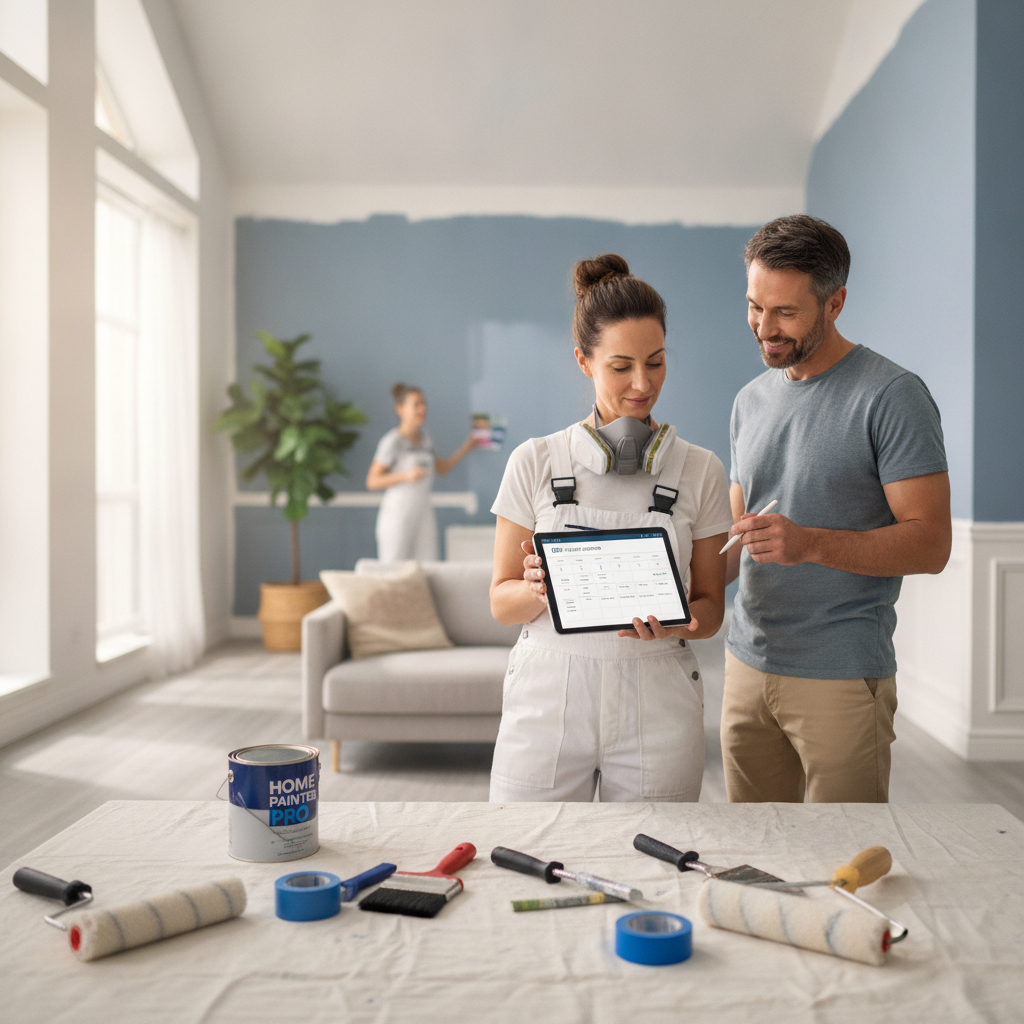
Your walls deserve a fresh look, not a fresh headache.
Introduction
Imagine you’ve just decided to give your living room a new coat of paint. You call three local painters, leave voicemails, and spend four to six phone calls just to get a single appointment. A week later you finally sit down with a handwritten estimate that looks more like a grocery list than a professional quote. When the work is done, the final bill is 30 % higher than you were told.
You’re not alone. The Home Service Customer Service Report (2024) found that 68 % of homeowners receive vague, lump‑sum estimates that hide line‑item costs, and the same study reports a 12 % dispute rate for interior‑painting jobs. Meanwhile, painters are losing 30‑40 % of their margins on pay‑per‑lead services like Thumbtack, where each lead can cost $5‑$30 (Pipeline On, 2026).
The old lead‑gen model is broken—for homeowners, for painters, and for the environment, as new low‑VOC paint regulations push the industry toward greener products (EPA, 2025).
Enter PLMBR, the AI‑native home services workflow and payments platform that eliminates phone‑tag, delivers line‑item‑transparent quotes in under 30 minutes, and protects both parties with escrow‑backed payments. In this guide we’ll walk you through everything you need to know to hire an interior painter the smart way, and show you exactly how PLMBR fixes the broken workflow.
What Homeowners Need To Know About Interior Painting
1. The Scope of a Typical Interior Paint Job
| Area | Typical Square Footage* | Estimated Labor Hours | Common Materials |
|---|---|---|---|
| Living room (12 × 18 ft) | 216 sq ft | 6‑8 hrs | Primer, two‑coat latex, trim paint |
| Bedroom (10 × 12 ft) | 120 sq ft | 4‑6 hrs | Same as living room |
| Hallway & stairs | 150 sq ft | 5‑7 hrs | Low‑VOC paint, non‑slip coating for stairs |
| Ceiling (whole house) | 2,500 sq ft (average 2‑story) | 12‑16 hrs | Ceiling‑specific low‑odor paint |
Scroll to see all columns →
*Square footage is calculated from wall surface area, not floor area.
- Preparation matters: surface repair, sanding, and masking can add 10‑20 % to labor time.
- Low‑VOC paints are now required in many states (EPA, 2025) and typically cost 5‑10 % more than standard paints, but they improve indoor air quality and can qualify for green‑building incentives.
2. How Pricing Is Traditionally Calculated
- Flat‑rate per room – easy to understand but often hides prep work.
- Per‑square‑foot – the industry standard (average $1.50‑$3.50 / sq ft for mid‑range quality).
- Milestone‑based billing – uncommon in legacy platforms, leading to cash‑flow gaps for contractors.
Understanding these models helps you spot red flags when a quote doesn’t break down labor, materials, and overhead.
Cost / Risk / Hiring Reality
Below is a realistic snapshot for a 2,500 sq ft two‑story home in Boston, MA (average market).
| Cost Component | Low End | Median | High End |
|---|---|---|---|
| Paint (low‑VOC, 2‑coat) | $600 | $950 | $1,300 |
| Labor (per‑sq ft) | $1.50 / sq ft ($3,750) | $2.30 / sq ft ($5,750) | $3.50 / sq ft ($8,750) |
| Prep & Repair | $300 | $600 | $1,200 |
| Disposal & Cleanup | $150 | $250 | $400 |
| Total Estimated Cost | $4,800 | $7,850 | $12,250 |
| Typical Dispute Rate | — | 12 % of projects (Home Service CSR Report 2024) | — |
| Average Time to Quote (legacy) | 3‑5 days (Angi internal data 2025) | — | — |
| Average Time to Quote (AI‑native) | <30 minutes (PLMBR internal testing) | — | — |
Scroll to see all columns →
Key takeaways:
- A mid‑range project in Boston will likely fall between $6k‑$9k.
- Traditional lead‑gen services add $5‑$30 per lead and often result in delayed quotes (3‑5 days).
- Using an AI‑native platform can shave days off the quoting process and provide a transparent, line‑item breakdown.
How To Vet Providers Without Getting Burned
- Check Licensing & Insurance – Verify state contractor license numbers and ensure liability insurance is current. PLMBR’s compliance dashboard automatically flags expired documents.
- Read Verified Reviews – Look for reviews that mention scope clarity, on‑time completion, and no surprise fees.
- Ask for a Structured Quote – Demand a booking packet that lists:
- Labor hours
- Paint brand & VOC rating
- Prep work details
- Milestone payment schedule
- Confirm Availability – Use a calendar sync (Google Calendar, Outlook) to see real‑time availability.
- Validate Payment Terms – Prefer escrow‑backed or progressive billing; avoid “pay‑full‑up‑front” requests.
Pro‑Tip: If a painter can’t quickly generate a line‑item quote, they likely rely on “hand‑written estimates” that hide hidden costs.
Where The Old Workflow Breaks
| Stage | Typical Pain Point | Why It Happens |
|---|---|---|
| Intake | Homeowner describes issue → multiple phone calls, vague photos | No AI to auto‑extract trade, location, urgency |
| Matching | Leads sent to dozens of painters, many dead or unqualified | Lead‑gen platforms sell quantity, not quality |
| Quoting | Hand‑written PDFs, lump‑sum prices, no line items | Legacy tools lack structured packet generation |
| Communication | Separate email threads, missed messages, no context | No in‑context messaging |
| Payment | Cash or upfront payment, risk of non‑completion | No escrow, no progressive billing |
| Dispute | Homeowner chases contractor, legal fees | No AI‑mediated resolution, manual evidence gathering |
Scroll to see all columns →
These breakdowns fuel the 68 % of homeowners who feel “stuck in phone‑tag” and the 30‑40 % margin loss painters experience on lead fees.
How PLMBR Changes This Workflow
1. Conversational AI Intake
- Homeowner types a simple description (“My living room walls are yellow, want a fresh white coat, with trim”) and uploads photos.
- The AI instantly identifies the trade (interior painting), location, and urgency, asking only the follow‑up questions that improve match quality.

2. Semantic Search & Smart Matching
- Using vector embeddings, PLMBR matches you with pre‑vetted painters in your city (Boston, NYC, Philadelphia) who have the right licenses, insurance, and availability.
3. AI Agent Outreach (Premium)
- The AI agent contacts multiple providers simultaneously, tracks each response, and surfaces a status board so you never chase anyone.

4. Booking Packet Builder
- From the chat history, the AI generates a line‑item booking packet: labor, paint type (including VOC rating), prep work, and milestone billing.

5. In‑Context Messaging & Compare Packets
- All communication lives in a single thread. You can compare packets side‑by‑side, click “Select” and move straight to scheduling.
6. Escrow‑Backed, Progressive Payments
- Funds are held in a Stripe‑powered escrow. For a $7,850 job, you might pay 30 % up‑front, 40 % after walls are primed, and the final 30 % on completion. This protects your cash flow and guarantees the painter gets paid for each milestone.
7. AI‑Mediated Dispute Resolution
- If a disagreement arises, the AI collects evidence (photos, chat logs) and suggests a fair resolution, reducing the 12 % industry dispute rate.
Result: Homeowners get transparent, line‑item quotes in under 30 minutes, zero phone‑tag, and a payment process that only releases funds when the work is verified. Painters receive qualified, cash‑ready jobs with no lead fees and a reliable cash‑flow pipeline.
Questions To Ask Before Hiring
- What paint brand and VOC rating will you use?
- Can you provide a detailed booking packet that breaks down labor, materials, and prep work?
- How do you handle payment—escrow, progressive billing, or full upfront?
- Do you have current liability insurance and a valid contractor license? (Ask for the numbers.)
- What is your projected timeline, and how do you handle schedule changes?
- Do you offer a warranty or guarantee on workmanship?
If the provider can’t answer these clearly, move on.
Conclusion
Hiring an interior painter shouldn’t feel like navigating a maze of phone calls, vague PDFs, and surprise invoices. The broken lead‑gen model—pay‑per‑lead fees, dead leads, and delayed quotes—creates stress for homeowners and drains margins for contractors.
PLMBR flips the script with an AI‑native workflow that:
- Eliminates phone‑tag through conversational intake and AI agent outreach.
- Delivers line‑item‑transparent booking packets in under 30 minutes.
- Protects payments with escrow and progressive billing.
- Reduces disputes via AI‑mediated resolution.
Ready to experience a hassle‑free paint project?
- Visit the PLMBR homepage.
- Find interior painting pros on PLMBR for Boston, New York City, Philadelphia, and more.
- Compare quotes on PLMBR and choose the best‑fit, transparent packet.
For more home‑service guides, explore our blog library. Your walls deserve a fresh look—let PLMBR handle the rest.
References
- Home Service Customer Service Report – Trends & Statistics (2024) – PDF.
- Thumbtack Cost‑Per‑Lead 2026 – Pipeline On – https://pipelineon.com/blog/thumbtack-lead-cost-2026
- EPA Low‑VOC Paint Guidelines (2025) – https://www.epa.gov/indoor-air-quality-criteria/low-voc-paint-guidelines
- Sherwin‑Williams “Zero‑VOC” Press Release (2025) – https://www.sherwin-williams.com/press/zero-voc-2025
- HomeAdvisor 2024 Interior Painting Pricing Guide – https://www.homeadvisor.com/cost/painting/
- Better Business Bureau – Thumbtack Reviews – https://www.bbb.org
Your home, your paint, your peace of mind – powered by PLMBR.