
The Ultimate Homeowner’s Guide to Hiring an Interior Painter in 2024 – Costs, Risks, and How AI‑Native PLMBR Solves the Old‑School Pain Points
Your wall‑to‑wall makeover shouldn’t feel like a gamble. Learn the real price drivers, how to vet painters, and why the AI‑native workflow on PLMBR is the…
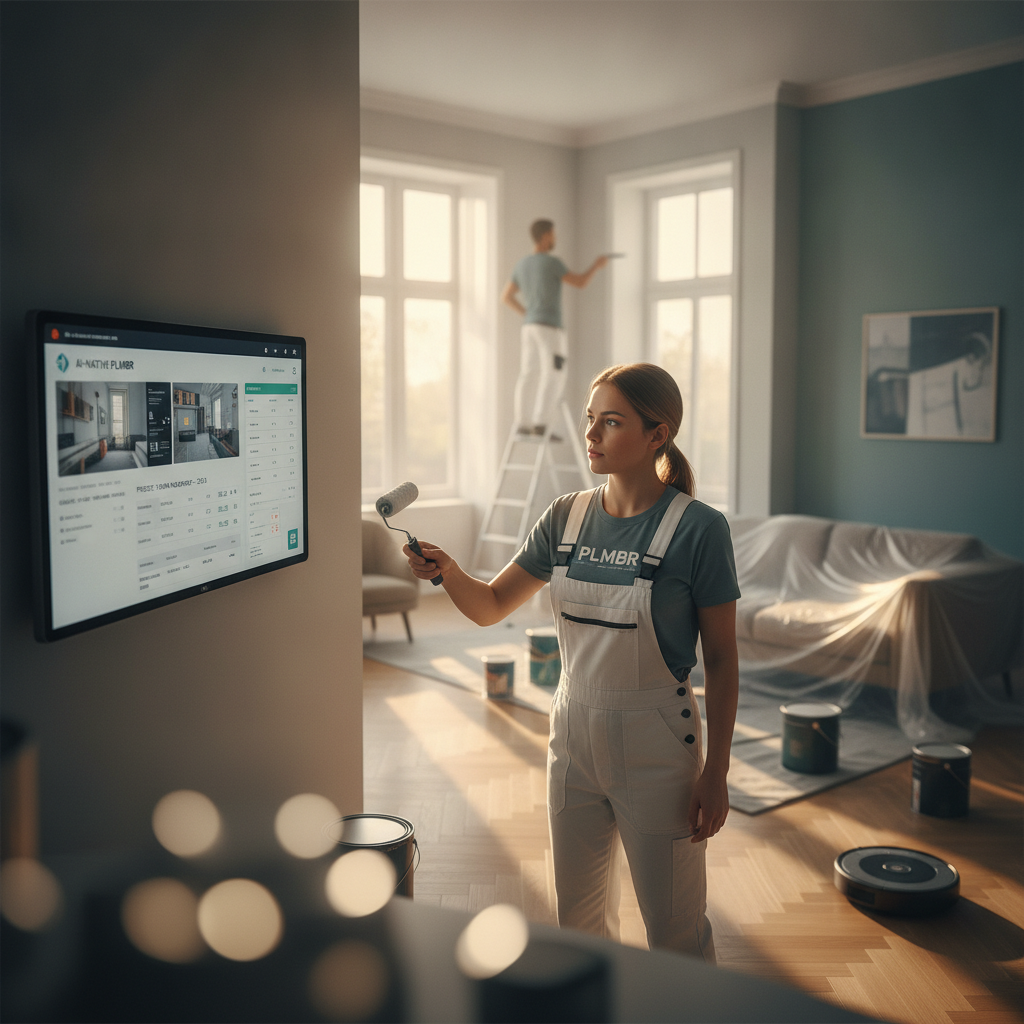
Your wall‑to‑wall makeover shouldn’t feel like a gamble. Learn the real price drivers, how to vet painters, and why the AI‑native workflow on PLMBR is the game‑changer you’ve been waiting for.
Introduction
You’ve just discovered a fresh coat of paint could instantly brighten your living room, but the moment you start searching for a painter, you’re hit with a familiar nightmare: endless phone tag, vague “ball‑park” estimates, and the lingering fear of paying a contractor who never shows up.
It’s not just anecdotal. 72 % of consumers now demand eco‑friendly, low‑VOC paints, and EPA’s Renovation, Repair & Painting (RRP) rule adds 20‑30 % extra cost for homes built before 1978【5】. Meanwhile, the interior‑painting market is a $150 B global industry growing at 5 % CAGR, yet raw‑material prices jumped 12 % in 2023 and labor margins sit at a razor‑thin ~6 %【3】.
Traditional lead‑gen platforms such as Angi, Thumbtack, and HomeAdvisor lock contractors into $50‑$150 per dead lead with no refund, while homeowners receive nothing more than a single, unstructured quote. The result? Both sides waste time, lose money, and walk away frustrated【4】【5】.
Enter PLMBR, the AI‑native home services workflow and payments platform that eliminates lead fees, delivers line‑item booking packets, and secures escrow‑backed payments. In the sections below, we’ll break down everything you need to know to hire an interior painter confidently—and show exactly how PLMBR transforms the outdated hiring workflow.
What Homeowners Need To Know About Interior Painting
1. The Scope Is Bigger Than a Can of Paint
- Surface preparation (scraping, sanding, patching) often consumes 30‑40 % of labor time.
- Priming is required when switching from dark to light colors, or when using low‑VOC paints on previously painted walls.
- Trim, doors, and ceilings are usually quoted separately, adding $0.50‑$1.00 per sq ft each.
2. Material Choices Matter
- Standard latex paint averages $25‑$35 per gallon.
- Low‑VOC, eco‑friendly paints run $35‑$50 per gallon but can qualify for rebates in some states.
- One‑coat versus two‑coat applications can swing the material cost by 15‑25 %.
3. Timing and Weather Influence Cost
- Summer peaks in the Northeast (NYC, Boston, Philadelphia) push labor rates up 5‑10 % due to high demand.
- Off‑season (late fall, early spring) can net you a 10‑15 % discount on labor if you’re flexible.
4. Regulatory Compliance Is No Optional Extra
- For homes built pre‑1978, the EPA RRP rule requires certified lead‑safe practices, adding $300‑$600 in compliance costs per job【5】.
Pro‑Tip: Keep a digital copy of your home’s construction year handy; it will determine whether lead‑safe protocols apply and affect the final quote.
Cost / Risk / Hiring Reality
Below is a realistic cost breakdown for a typical 1,500 sq ft home interior paint job in the New York‑Boston corridor. All figures are 2024 averages sourced from industry data【3】【4】.
| Cost Component | Typical Range (USD) | % of Total Budget | Key Risk / Note |
|---|---|---|---|
| Labor (prep, paint, cleanup) | $2,100 ‑ $4,200 | 45 %‑55 % | Labor shortages can push rates up 5 % month‑to‑month. |
| Paint & Materials (including primer) | $800 ‑ $1,500 | 15 %‑20 % | Low‑VOC paints add $0.30‑$0.50 per sq ft. |
| Trim & Doors (separate coating) | $400 ‑ $800 | 8 %‑10 % | Often quoted as an add‑on; watch for “surprise” line items. |
| Compliance (lead‑safe, VOC) | $0 ‑ $600 | 0 %‑5 % | Mandatory for pre‑1978 homes; failure can incur fines. |
| Miscellaneous (masking, touch‑ups) | $200 ‑ $400 | 4 %‑5 % | Small but can add up if not itemized. |
| Total Estimated Cost | $3,500 ‑ $8,000 | 100 % | Wide range reflects material, labor, and compliance variables. |
Scroll to see all columns →
Key Risks
- Scope creep – Unclear line items lead to “surprise” charges up to 30 % higher than the original quote.
- Dead leads – Contractors paid per lead waste time on inquiries that never turn into jobs, inflating their rates.
- Payment risk – Up‑front cash flow without escrow can leave homeowners vulnerable to non‑completion.
How To Vet Providers Without Getting Burned
-
Check Licensing & Insurance
- Verify a contractor’s state license (e.g., NY Department of State, MA Board of Professional Licensure).
- Request liability insurance and workers‑comp coverage; most platforms display this info, but you can also ask for a certificate.
-
Look for Detailed, Line‑Item Quotes
- A reputable painter will break down prep, paint, finish, and compliance costs.
- Avoid “flat‑rate” estimates that lack a scope of work section.
-
Read Real Reviews, Not Just Star Ratings
- Focus on verified reviews that mention timeliness, cleanliness, and communication.
- Look for patterns of “ghosting” or “unexpected fees” – red flags for dead leads.
-
Confirm Availability & Scheduling
- Ask for a project timeline and confirm that the contractor’s calendar is synced (Google Calendar, Outlook) to avoid over‑booking.
-
Ask About Eco‑Friendly Paint Options
- Verify the contractor can source low‑VOC, zero‑lead paints if that’s important to you.
-
Use an AI‑Assisted Matching Platform
- Services like PLMBR leverage semantic vector search to match you with providers based on trade, proximity, ratings, and compliance records, eliminating the guesswork.
Where The Old Workflow Breaks
| Step | Traditional Pain Point | Why It Hurts Homeowners | Why It Hurts Contractors |
|---|---|---|---|
| Intake | Manual phone calls, email threads, photo uploads scattered across apps. | Hours wasted, missed details, inconsistent information. | Lost productivity, duplicate effort. |
| Matching | Keyword search on directories; leads sold per‑click. | Low‑quality matches, many dead leads. | $50‑$150 per lead with no refund for unqualified inquiries【5】. |
| Quoting | Hand‑written estimates, vague “ball‑park” numbers. | Scope creep, surprise bills. | Time‑intensive drafting, under‑priced labor. |
| Communication | Multiple email threads, missed messages, phone tag. | Frustration, delays, possible project stalls. | Chasing homeowners drains profit margins. |
| Payment | Up‑front cash or post‑job invoicing, no escrow. | Risk of non‑completion, need to chase payment. | Cash‑flow uncertainty, risk of non‑payment. |
| Dispute Resolution | No structured process, often ends in legal fees. | Stress, wasted time, possible bad credit. | Reputation damage, costly arbitration. |
Scroll to see all columns →
These breakdowns lead to 7× lower conversion rates when a contractor’s response time exceeds 1 hour【4】, and they fuel the $44.3 B U.S. painting‑contractor revenue being squeezed by thin margins.
How PLMBR Changes This Workflow
1. Conversational AI Intake
- Homeowners describe the issue in plain English (with photos).
- The AI instantly identifies the correct trade, urgency, and any compliance flags (e.g., lead‑paint risk).
2. Semantic Search & Precise Matching
- Vector‑embedding technology matches you with qualified interior painters in your city (e.g., Boston, NYC) based on ratings, proximity, and insurance status—no more dead leads.
3. AI Agent Outreach (Premium)
- A personal AI agent contacts multiple vetted painters simultaneously, tracks each response, and surfaces only the actionable follow‑ups.
4. Booking Packet Builder
- From the chat history, PLMBR auto‑generates a structured booking packet: line‑item scope, material costs, labor hours, compliance notes, and milestone‑based billing schedule.
5. Compare‑Packets View
- Homeowners can compare up to three packets side‑by‑side, seeing exactly where prices differ (e.g., paint brand, prep depth).
6. In‑Context Messaging & Escrow Payments
- All communication lives in one thread; the Stripe‑backed escrow holds funds until the homeowner confirms the work is complete.
7. Progressive Billing & Dispute Resolution
- Milestone payments release funds as work finishes (e.g., “prep complete”, “final coat”).
- If a dispute arises, AI‑mediated evidence packs and automated recommendations streamline resolution.
Result: Zero lead fees, transparent line‑item quotes, secure escrow, and an AI‑powered workflow that cuts the hiring process from weeks to days.
Questions To Ask Before Hiring
- Are you licensed and insured in my state? (Ask for certificate numbers.)
- Do you have experience with low‑VOC or lead‑safe painting? (Especially for pre‑1978 homes.)
- Can you provide a line‑item booking packet that includes prep, paint, trim, and compliance costs?
- What is your payment schedule? (Prefer escrow or milestone‑based.)
- How do you handle changes to scope after work begins? (Look for a written change‑order process.)
- Do you sync your calendar with online scheduling tools? (Helps avoid over‑booking.)
- Do you offer a warranty on workmanship and materials? (Typical warranty: 1‑year.)
Having clear answers to these questions will protect you from hidden fees and ensure the painter is professionally equipped to meet today’s regulatory standards.
Conclusion
Hiring an interior painter in 2024 shouldn’t feel like navigating a maze of phone calls, vague estimates, and hidden costs. By understanding the true cost drivers—labor, materials, compliance, and the hidden fees of traditional lead‑gen platforms—you can make an informed decision that protects both your budget and your peace of mind.
PLMBR eliminates the broken steps of the old workflow with AI‑driven intake, semantic matching, structured booking packets, and escrow‑backed payments. The result is a transparent, faster, and safer hiring experience for homeowners and a margin‑protecting, lead‑free workflow for painters.
Ready to skip the phone tag and get clear, compare‑ready quotes for your interior painting project?
- Visit the [PLMBR homepage] to learn more.
- [Find Interior Painting pros on PLMBR] for Boston, New York City, Philadelphia, and beyond.
- Use the [Compare quotes on PLMBR] tool to see side‑by‑side packets in seconds.
- For more home‑service guides, explore our [blog].
Your walls deserve a fresh look—your hiring process deserves a fresh, AI‑native approach.
External Resources
- [EPA – Renovation, Repair and Painting (RRP) Rule] – https://www.epa.gov/lead/renovation-repair-and-painting-rule
- [National Association of the Remodeling Industry (NARI)] – https://www.nari.org/
- [Better Business Bureau – Contractor Lead Fee Complaints] – https://www.bbb.org/article/consumer-issues/14022/contractor-lead-fee-complaints
- [Thumbtack Lead Fee Overview] – https://7ten.marketing/how-much-does-thumbtack-charge-for-leads
This guide is powered by PLMBR’s AI‑native workflow, bringing you the most accurate, up‑to‑date information on hiring interior painters.