
The Ultimate Homeowner’s Guide to Interior Painting in 2024 – Costs, Risks, and How to Hire the Right Pro
Your home’s walls are the canvas of everyday life. A fresh coat of paint can boost resale value by up to 7%, improve indoor air quality, and turn a drab room…
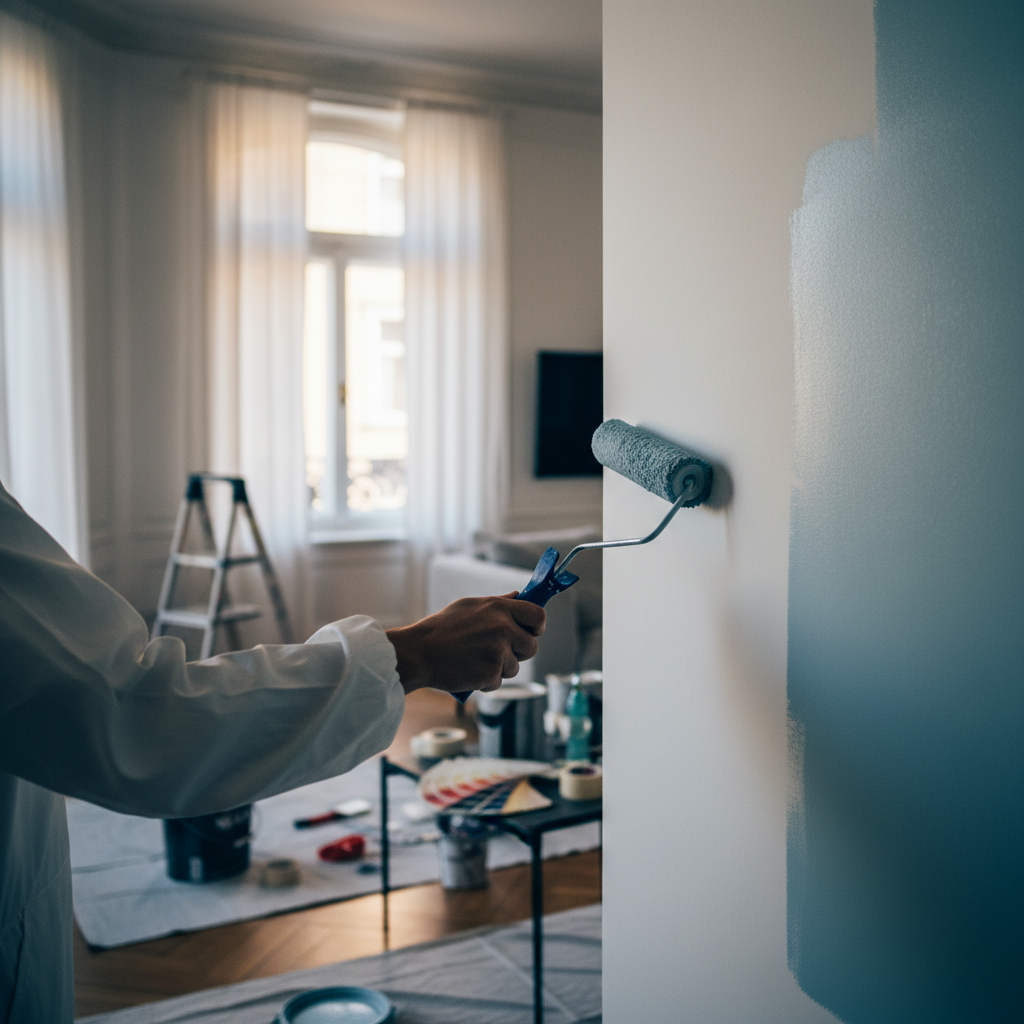
Your home’s walls are the canvas of everyday life. A fresh coat of paint can boost resale value by up to 7%, improve indoor air quality, and turn a drab room into a sanctuary. But the path from “I need a new color” to “the job is finished without surprise bills” is riddled with phone tag, vague estimates, and dead‑lead frustrations. This guide walks you through everything you need to know about interior painting, how to avoid common pitfalls, and why a new AI‑native workflow like PLMBR is changing the game.
What Homeowners Need To Know About Interior Painting
Interior painting isn’t just about picking a hue. It involves surface preparation, primer selection, proper ventilation, and compliance with safety standards. Below are the core elements you should understand before you even open a quote.
- Surface Preparation – Scraping old paint, repairing drywall cracks, and sanding are essential for adhesion. Skipping this step can lead to premature peeling, costing you an extra $300‑$500 in rework.
- Primer vs. Paint – Primer creates a uniform base and can reduce the number of top‑coat layers needed, saving 10‑15% on paint costs.
- Finish Types – Flat, eggshell, satin, semi‑gloss, and high‑gloss each have different durability and cleanability. High‑traffic areas like kitchens and hallways usually require at least a satin finish.
- Ventilation & Safety – Paint fumes contain volatile organic compounds (VOCs). The EPA recommends 15 ft² of fresh air per 1 gal of paint applied and using low‑VOC products. Professional painters should follow OSHA’s construction safety standards for ladder use and respirator protection.
Pro‑Tip: Ask any contractor whether they use low‑VOC or zero‑VOC paints. It’s a quick win for indoor air quality and can reduce long‑term health costs.
Typical Project Timeline
| Phase | Time Required | What Happens |
|---|---|---|
| Consultation & Scope Definition | 1‑2 days | AI intake or phone call to capture room dimensions, photos, and special requirements. |
| Preparation | 1‑3 days | Surface cleaning, sanding, patching, and priming. |
| Painting | 2‑5 days | First coat, drying, second coat (if needed). |
| Clean‑up & Inspection | 0‑1 day | Furniture move‑back, final walk‑through, and sign‑off. |
Scroll to see all columns →
Most interior painting jobs in the Northeast (NY, Boston, Philadelphia) finish within 5‑7 business days when the scope is clearly defined from the start.
Cost / Risk / Hiring Reality
Understanding the financial landscape helps you set realistic expectations and budget for contingencies.
| Item | Average Cost (2024) | Typical Timeline | Common Risks |
|---|---|---|---|
| Standard 2‑Coat Paint (per room, ≤12 ft ceiling) | $1,200 – $2,800 | 2‑5 days | Vague estimate, hidden prep work |
| Premium Low‑VOC Paint (per room) | $1,500 – $3,200 | 2‑5 days | Higher material cost, but better air quality |
| Full‑Home Interior Paint (≈12 rooms) | $12,000 – $28,000 | 10‑14 days | Scope creep, undisclosed wall damage |
| Professional Prep Only (patching, sanding, priming) | $500 – $1,200 | 1‑3 days | Incomplete prep leading to finish failures |
| Progressive Billing (milestone‑based) | Varies | N/A | Late‑payment penalties, escrow disputes |
Scroll to see all columns →
Market Insight: A recent Angi (formerly HomeAdvisor) survey found that 41% of homeowners felt “surprised” by the final price of interior painting projects, primarily because the original estimate didn’t include surface repair or primer costs. This underscores the need for structured, line‑item quotes rather than “ballpark” figures.
How To Vet Providers Without Getting Burned
Finding a reliable painter is more than checking online reviews. Use a systematic vetting process to protect yourself from subpar work and surprise bills.
-
Check Licensing & Insurance
- Verify state contractor licensing (e.g., NY Department of Consumer Affairs).
- Confirm liability insurance and workers’ compensation; request certificates and note expiration dates.
-
Review Portfolio & References
- Ask for before‑and‑after photos of similar rooms.
- Speak to at least two recent clients about timeliness and finish quality.
-
Demand a Structured Quote
- Look for a booking packet that lists every line item: prep, primer, paint brand, number of coats, labor hours, and taxes.
- Avoid “all‑inclusive” numbers that hide these details.
-
Validate Professional Associations
- Membership in the National Association of the Remodeling Industry (NARI) signals adherence to industry standards.
-
Use AI‑Enhanced Matching (If Available)
- Platforms that employ semantic search can match you with painters who have the exact trade expertise, high ratings, and proximity, reducing the time you spend scrolling through irrelevant listings.
Pro‑Tip: A well‑crafted quote should include a “Scope Change Clause” outlining how additional work (e.g., discovering water damage) will be priced and approved.
Where The Old Workflow Breaks
The traditional home‑service hiring process is a series of manual hand‑offs that create friction:
| Pain Point | Description | Consequence |
|---|---|---|
| Phone Tag | Homeowner calls multiple contractors, each returns calls at different times. | Delayed project start, lost momentum. |
| Vague Estimates | Contractors give “rough” numbers without line‑item detail. | Surprise costs, scope creep. |
| Dead Leads | Homeowners spend hours on contractors who later claim they’re booked or out of area. | Wasted time, frustration. |
| Escrow‑Free Payments | Payments are taken upfront or after completion with no hold‑back. | Risk of incomplete work or disputes. |
| Dispute Resolution Gaps | No formal process; arguments are settled via phone or small claims court. | Prolonged stress, potential legal fees. |
Scroll to see all columns →
These inefficiencies are why consumer protection agencies like the Better Business Bureau (BBB) routinely warn consumers to “get everything in writing before work begins.”
How PLMBR Changes This Workflow
PLMBR isn’t a marketplace; it’s an AI‑native home services workflow and payments platform that rewrites each broken step with transparency and automation.
1. Conversational AI Intake
- Homeowners describe the painting job in plain language and attach photos.
- The AI instantly identifies the trade, calculates approximate square footage, and asks only the follow‑up questions that improve match quality.
2. Semantic Search & Matching
- Instead of keyword filters, PLMBR uses vector embeddings to surface painters whose past jobs, ratings, and availability align with your exact needs—whether you need low‑VOC paints or a historic‑home finish.
3. Booking Packets (Structured Quotes)
- Each provider creates a booking packet that breaks down prep, primer, paint brand, labor, and taxes.
- Homeowners can compare packets side‑by‑side on the platform, seeing exactly where the price differences lie.
4. AI Agent Outreach (Premium)
- For premium users, an AI agent contacts multiple vetted painters simultaneously, tracks each response, and surfaces any clarifying questions directly in the chat thread. No more chasing voicemail.
5. Escrow‑Backed Payments
- Funds are authorized via Stripe and held in escrow until the homeowner confirms work completion. For larger jobs, progressive billing releases payments at each milestone (e.g., after prep, after first coat).
6. In‑Context Dispute Resolution
- If a finish isn’t satisfactory, the dispute form lives inside the same message thread, allowing the AI to pull relevant evidence (photos, packet terms) and suggest resolutions, dramatically cutting resolution time.
7. Zero‑Dead‑Leads Guarantee
- Because PLMBR only connects you with providers who have already confirmed availability, you never waste time on “we’re booked” dead ends.
By automating intake, matching, quoting, and payment, PLMBR eliminates the phone‑tag, vague‑estimate, and escrow‑risk triad that has plagued the interior painting market for decades.
Questions To Ask Before Hiring
Even with PLMBR’s safeguards, a brief conversation ensures you and the painter are perfectly aligned.
- What surface preparation will you perform? (Specify sanding, patching, primer).
- Which paint brand and VOC level are you using? (Ask for the product data sheet).
- How many coats will be applied, and what is the drying time between coats?
- Can you provide a detailed timeline with milestones? (e.g., “Prep complete by Day 2”).
- What is your policy for scope changes? (Request a written clause).
- Do you carry workers’ comp and liability insurance? (Ask for certificates).
Take notes in the PLMBR chat – the AI will automatically attach your answers to the final booking packet for future reference.
Conclusion
Interior painting is a high‑impact home improvement that can revitalize your space and increase resale value—if you navigate the hiring process wisely. Traditional workflows are riddled with phone tag, vague estimates, and payment risk, leaving many homeowners dissatisfied.
PLMBR solves these pain points by turning the chaotic back‑and‑forth into a single, AI‑driven conversation that delivers structured, comparable quotes, escrow‑backed payments, and zero‑dead‑lead connections.
Ready to ditch the endless calls and hidden costs?
- Visit the PLMBR homepage to see the platform in action.
- Find Interior Painting pros on PLMBR and start your AI‑guided intake today.
- Compare quotes on PLMBR to ensure you’re getting the best value for your budget.
For more home‑service guides, explore our blog. Your next fresh‑painted room is just a few clicks away—minus the stress, plus the peace of mind that only an AI‑native workflow can provide.
References
- Angi (HomeAdvisor) 2024 Interior Painting Cost Survey – https://www.angi.com/articles/average-cost-painting-interior.htm
- National Association of Home Builders (NAHB) Consumer Satisfaction Report – https://www.nahb.org/industry-topics/consumer-trends
- EPA – Indoor Air Quality Guidelines – https://www.epa.gov/indoor-air-quality-iaq
- OSHA – Construction Safety Standards – https://www.osha.gov/construction
- Better Business Bureau – Contractor Tips – https://www.bbb.org/article/tips/14056-bbb-tip-choosing-a-contractor
- This Old House – Painting Preparation – https://www.thisoldhouse.com/painting/21017612/how-to-paint-a-room