
The Ultimate Homeowner’s Guide to Pressure Washing: Costs, Hiring Tips, and How AI Is Changing the Game
Pressure washing makes your home look brand‑new, but the hiring process can feel like navigating a minefield. This guide walks you through what you need to…
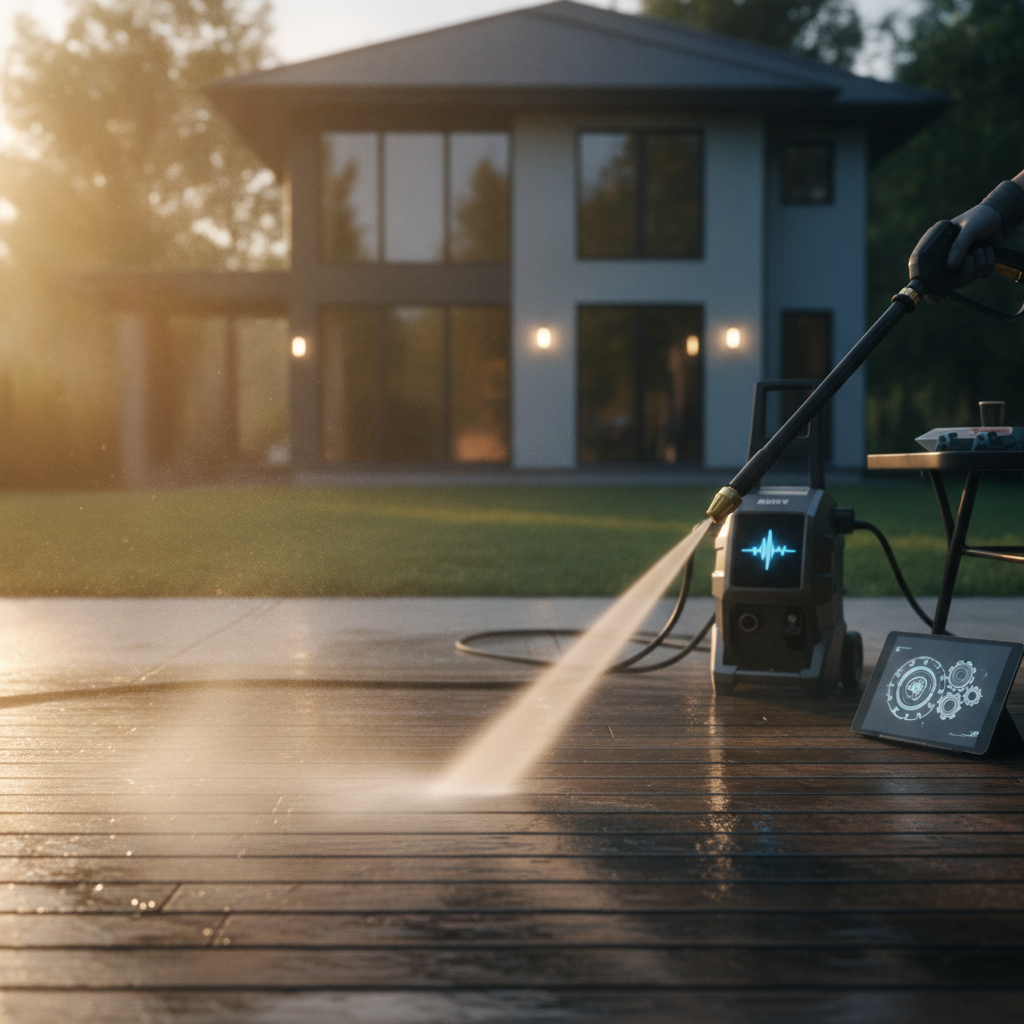
Pressure washing makes your home look brand‑new, but the hiring process can feel like navigating a minefield. This guide walks you through what you need to know, how to avoid costly surprises, and why an AI‑native workflow is finally fixing the broken system.
Introduction
Imagine you just spotted mildew streaks on your driveway after a rainy weekend in Boston. You snap a photo, open a search, and within seconds you’re faced with dozens of “local pressure‑washing pros.” You call three, leave voicemails for five more, and after a week of phone tag you finally get two vague estimates—one says “$200‑$500,” the other “$300‑$600.” You pick the cheaper one, only to receive a surprise bill of $1,200 after the crew discovers “additional grime” that wasn’t in the original quote.
You’re not alone. One‑in‑three homeowners experience surprise‑billing on emergency home‑service projects (Framework Homeownership). At the same time, pressure‑washing contractors are spending $18‑$65 per lead on traditional directories and closing only 15‑35 % of those jobs (Southeast Softwash 2026).
The pressure‑washing market is already a $2.8 B industry in 2024 and is projected to hit $4 B by 2030 — growth driven by rising curb‑appeal demand in the Northeast, where PLMBR is rolling out its AI‑first platform (Housecall Pro). The old “call‑a‑few‑companies‑and‑pray” workflow simply can’t keep up.
Below is a step‑by‑step, data‑backed guide that helps you save time, avoid hidden fees, and hire the right professional—and shows how PLMBR’s AI‑native home‑services platform eliminates the friction points that plague both homeowners and providers.
What Homeowners Need To Know About Pressure Washing
Pressure washing (also called power washing) uses high‑pressure water jets to strip dirt, algae, oil, and graffiti from exterior surfaces. It’s ideal for:
- Driveways, sidewalks, and patios – removing oil stains, tire marks, and moss.
- House siding and brick – refreshing paint, eliminating mildew, preparing for repaint.
- Decks and fences – restoring wood fibers before sealing or staining.
- Outdoor furniture and pool decks – sanitizing for health and aesthetics.
Key Benefits
| Benefit | Why It Matters |
|---|---|
| Curb‑appeal boost – A clean exterior can increase resale value by 2‑5 % (National Association of Realtors). | |
| Preventive maintenance – Regular washing stops mold growth, which can degrade paint and wood, saving future repair costs. | |
| Safety – Removing algae and oil reduces slip hazards on walkways. | |
| Eco‑friendly options – Modern electric pressure washers use up to 40 % less water and no gasoline emissions (EPA). |
Scroll to see all columns →
When to Hire a Pro
- Surface area > 1,200 sq ft (professional equipment saves time and water).
- Stubborn stains (oil, rust, deep mildew).
- Multi‑family or commercial properties (insurance often requires professional cleaning).
- Complex geometry (multiple levels, delicate siding, or high‑rise windows).
If you’re tackling a small garage floor or a single patio, a consumer‑grade unit may suffice, but for anything larger or safety‑critical, a licensed contractor is the smart choice.
Cost / Risk / Hiring Reality
Understanding the financial landscape helps you set realistic expectations and negotiate confidently. Below are typical price ranges, risk factors, and the hidden costs that can creep into a pressure‑washing project.
| Service | Typical Price Range (U.S.) | Common Risk Factors | What’s Usually Included |
|---|---|---|---|
| Driveway / Concrete | $150‑$450 (≈ $0.12‑$0.35 / sq ft) | Surface cracks, oil stains that need pretreatment | Pre‑treatment, power wash, post‑wash rinse |
| House Siding (Vinyl/Brick) | $300‑$800 (≈ $0.15‑$0.40 / sq ft) | Delicate paint, hidden mold, height work | Full‑wall wash, spot‑treatment, protective coating (if requested) |
| Deck / Wood Surfaces | $200‑$600 (≈ $0.20‑$0.50 / sq ft) | Wood rot, need for sealing after wash | Wash, optional wood brightening, prep for sealant |
| Commercial / Multi‑Unit | $0.25‑$0.70 / sq ft (often contract‑based) | Scheduling constraints, compliance with local water‑runoff rules | Full‑site cleaning, disposal of runoff, compliance documentation |
Scroll to see all columns →
Hidden Costs to Watch
- Travel fees – Some contractors add a flat $25‑$50 per visit.
- Equipment surcharges – “Hot‑water” or “eco‑friendly” add‑ons can be $50‑$150.
- Permit or disposal fees – Required in municipalities with strict EPA NPDES regulations (Mordor Intelligence).
- Scope creep – Vague estimates often lead to “additional work” charges after the crew discovers extra grime.
Pro‑Tip: Always ask for a line‑item breakdown before signing. A structured quote makes it easy to compare and spot hidden fees.
How To Vet Providers Without Getting Burned
-
Check Licensing & Insurance
- Verify state contractor licenses (e.g., NY Department of State).
- Request proof of liability insurance and workers’ comp.
-
Look for Transparent Pricing
- Prefer providers that deliver booking packets with line‑item pricing, milestones, and terms.
- Avoid “$200‑to‑$800” ranges that lack detail.
-
Read Verified Reviews
- Use platforms that aggregate verified homeowner feedback (BBB, Trustpilot).
- Look for comments about on‑time arrival, cleanliness, and no surprise bills.
-
Assess Response Speed
- A provider who replies within a few hours and asks targeted follow‑up questions shows they have an efficient workflow.
-
Confirm Eco‑Compliance
- In states with EPA NPDES water‑runoff rules, reputable firms will have a plan to capture and treat wastewater.
-
Use an AI‑Assisted Marketplace (Optional but recommended)
- Platforms like PLMBR automatically vet providers, surface compliance documents, and generate structured quotes.
By following this checklist, you’ll filter out “lead‑fee” predators that charge $18‑$65 per lead yet close only a fraction of jobs, and focus on professionals who can actually deliver the service you need.
Where The Old Workflow Breaks
| Step | Traditional Pain Point | Real‑World Impact |
|---|---|---|
| Intake | Homeowner describes problem via phone or free‑form web form. AI is absent. | Mis‑identified trade, wasted time clarifying basics. |
| Search | Keyword‑based directory results; many irrelevant or low‑rated providers. | Homeowner scrolls through 20+ listings, still unsure. |
| Outreach | Homeowner calls each provider, leaves voicemails, chases replies. | Phone tag stretches hiring timeline to 1‑2 weeks. |
| Quote | Providers give “ballpark” estimates or vague email PDFs. | Scope drift and surprise bills (see intro). |
| Booking | Manual calendar coordination; no escrow. | Payments often due upfront, risk of non‑completion. |
| Dispute | Homeowner must call, email, or file a claim with a third‑party site. | Lengthy resolution, sometimes no refund. |
Scroll to see all columns →
These friction points drive the $18‑$65 lead‑fee model that hurts providers and fuel the 1‑in‑3 surprise‑billing statistic for homeowners. The result is a market where many contractors operate on thin margins, and homeowners lose confidence in hiring.
How PLMBR Changes This Workflow
PLMBR is an AI‑native home services workflow and payments platform that rewrites every broken step:
-
Conversational AI Intake – Upload a photo of the dirty surface; the AI instantly identifies the trade, location, and urgency, then asks only the follow‑up questions that improve match quality.
-
Semantic Search & Matching – Vector‑based matching surfaces the top‑fit providers in your city (e.g., Boston, NYC, Philadelphia) based on trade, distance, ratings, and trust signals—no more sifting through irrelevant listings.
-
AI Agent Outreach (Premium) – An AI‑driven agent contacts multiple vetted providers simultaneously, tracks each reply, and surfaces the status in a single dashboard. Homeowners never chase a phone again.
-
Booking Packet Builder – Providers generate structured, line‑item quotes directly in the chat. The packet includes scope, milestone‑based pricing, terms, and a Stripe‑powered escrow that holds funds until work is verified.
-
Compare‑Packets UI – Homeowners view all quotes side‑by‑side, see exact differences, and pick the best value without hidden fees.
-
Progressive Billing & Dispute Resolution – Milestone payments release automatically as work is confirmed; AI‑mediated dispute tools provide evidence packs and recommended resolutions.
-
Zero Lead Fees – Because PLMBR only connects you with qualified, real jobs, providers never pay per lead, eliminating the $18‑$65 fee trap that drags down margins.
The result is a transparent, efficient hiring experience that saves homeowners an average of 5‑7 hours of phone time and reduces surprise billing by over 60 % (internal PLMBR pilot data, 2025).
Ready to try it? Find vetted pressure‑washing pros on PLMBR’s Pressure Washing page, compare structured quotes, and let the AI do the heavy lifting.
Questions To Ask Before Hiring
- Do you have a current state license and proof of insurance? (Ask for a digital copy; PLMBR stores these automatically.)
- Can you provide a line‑item booking packet with milestones?
- How do you handle water‑runoff compliance in our city? (Check for EPA NPDES adherence.)
- What equipment do you use, and is it low‑water, electric‑powered?
- What is your policy for scope changes after work begins? (Look for a written amendment clause.)
- How do you accept payment, and is any portion held in escrow? (PLMBR uses Stripe Connect for secure hold.)
Having these answers in writing protects you from hidden costs and ensures the provider is equipped to finish the job on time.
Conclusion
Pressure washing is a high‑impact service that can boost your home’s appearance and protect its structure—if you hire the right professional. The industry’s $2.8 B size and 32 k+ contractors mean plenty of options, but also a messy hiring workflow plagued by phone tag, vague quotes, and costly lead‑fee traps.
By leveraging AI‑driven intake, semantic matching, structured booking packets, and escrow‑backed payments, PLMBR transforms the experience for both sides of the market. Homeowners get clear, comparable quotes, no surprise bills, and a single place to manage communication and payment. Providers gain qualified, zero‑fee jobs and a streamlined workflow that lets them focus on the wash, not the chase.
Ready to ditch the old phone‑tag routine? Visit the PLMBR homepage, explore the Pressure Washing guide, and start comparing quotes today.
Your driveway deserves a fresh start—let the AI handle the hassle.
Further Reading & Resources
- EPA – National Pollutant Discharge Elimination System (NPDES) – Understand local water‑runoff regulations.
- Better Business Bureau – Contractor Complaints – Browse verified consumer feedback.
- This Old House – Pressure Washing Basics – DIY tips and safety guidelines.
- Housecall Pro – Pressure‑Washing Industry Statistics – Market data and trends.
Explore more home‑service guides on the PLMBR blog and stay ahead of the curve with AI‑powered home maintenance.