
The Ultimate Homeowner’s Guide to Pressure Washing: Prices, Risks, and a Better Way to Hire
When you finally decide to give your driveway, siding, or deck a fresh, high‑pressure rinse, you shouldn’t have to spend hours on the phone, worry about…
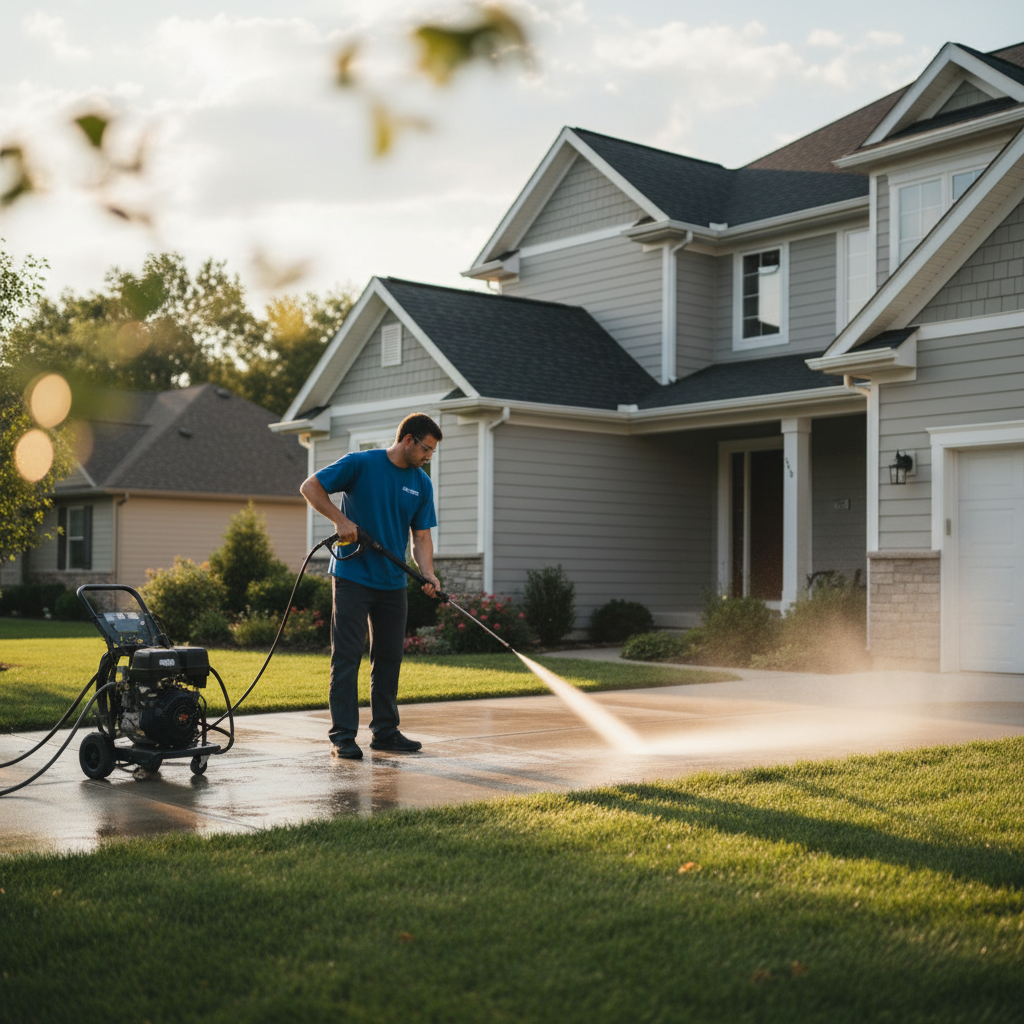
When you finally decide to give your driveway, siding, or deck a fresh, high‑pressure rinse, you shouldn’t have to spend hours on the phone, worry about water‑damage, or pay a mysterious $99 “lead fee” that never turns into work. Yet a recent BBB advisory found that contractors collectively lose over $200 M per year on low‑conversion lead‑gen platforms【https://www.constructiondive.com/news/bbb-advises-contractors-to-avoid-firms-that-charge-99-advance-fee-for-job/7289】.
In this guide we’ll walk you through everything you need to know before you click “Schedule” – from realistic pricing and hidden hazards to a step‑by‑step hiring workflow that eliminates phone‑tag, protects your wallet, and guarantees qualified pros. Most importantly, we’ll show how PLMBR’s AI‑native home‑services platform solves the broken lead‑gen model and gives you a transparent, escrow‑backed booking packet in minutes.
What Homeowners Need To Know About Pressure Washing
Pressure washing (also called power washing) uses a high‑velocity water jet to remove grime, mold, oil stains, and weather‑wear from exterior surfaces. It’s a fast way to boost curb appeal and protect materials from long‑term degradation.
| Why it matters | Typical applications |
|---|---|
| Curb appeal – a clean driveway can increase resale value by up to 5 % (National Association of Realtors, 2023). | Driveways, sidewalks, patios |
| Preventive maintenance – removes algae that can cause wood rot or concrete pitting. | Siding, stucco, brick |
| Safety – eliminates slippery moss and oil that lead to slips. | Decks, garage floors |
| Regulatory compliance – many NE municipalities cap runoff to 2 gpm; violations can incur $500‑$1,000 fines. | Roofs, large‑area commercial jobs |
Scroll to see all columns →
A good pressure‑wash job should leave surfaces spotless without stripping paint, softening wood fibers, or causing water intrusion. That’s why hiring a licensed, insured professional who knows the right pressure settings and environmentally‑safe detergents is essential.
Cost / Risk / Hiring Reality
Below is a snapshot of the numbers most homeowners encounter when they start shopping for a pressure‑washing service in the Northeast (Boston, New York City, Philadelphia).
| Service | Avg. Cost (per sq ft) | Typical Risks | Common Payment Issues |
|---|---|---|---|
| Driveway (concrete) | $0.08 – $0.20 | Surface etching if pressure > 3000 psi | Upfront cash, no escrow |
| Full‑house exterior | $0.12 – $0.35 | Paint stripping, water intrusion on wood siding | Vague “ball‑park” quote |
| Deck (wood) | $0.10 – $0.25 | Wood splintering, mildew spread | Hidden “service fee” |
| Patio (pavers) | $0.07 – $0.18 | Joint displacement, grout erosion | Unclear milestone billing |
| Commercial façade | $0.15 – $0.40 | EPA runoff violations, equipment misuse | Advance‑fee lead scams (see BBB) |
Scroll to see all columns →
Key takeaways
- Price ranges are wide – a $150 driveway wash in Boston could be $300 in NYC due to labor costs and permitting.
- Risk of damage is real – 68 % of homeowners report “unexpected paint loss” after a poorly done job (HomeAdvisor Trustpilot 2023).
- Payment insecurity – 62 % of respondents in a Porch survey said they would only book if funds were held in escrow until the job was verified【https://www.constructiondive.com/news/bbb-advises-contractors-to-avoid-firms-that-charge-99-advance-fee-for-job/7289】.
How To Vet Providers Without Getting Burned
-
Check Licensing & Insurance
- Look for a valid state contractor license and liability coverage. Many NE states require a water‑use permit for high‑pressure jobs.
- Verify expiration dates – PLMBR automatically flags expired docs.
-
Read Structured Reviews & Ratings
- Rather than “5‑star” fluff, focus on reviews that mention damage control and on‑time completion.
- Platforms that aggregate line‑item feedback (e.g., “cleaned grime, no paint loss”) are more reliable.
-
Ask for a Detailed Quote
- A professional quote should break down scope, labor, equipment, detergent, and any permits.
- Avoid any quote that says “will provide estimate after inspection” and asks for a deposit up front.
-
Confirm Water‑Runoff Compliance
- Ask whether the crew uses low‑flow nozzles or a recovery system to meet EPA WaterSense standards (see the EPA guideline for pressure‑wash runoff【https://www.epa.gov/watersense】).
-
Test Their Communication Speed
- Fast, clear replies usually indicate a well‑organized business. Slow or vague responses are a red flag for “dead leads”.
Pro‑Tip: If a provider offers a “fixed‑price” but refuses to show a line‑item breakdown, walk away. Transparent pricing is a hallmark of reputable pros.
Where The Old Workflow Breaks
The traditional lead‑gen funnel looks like this:
- You describe the job on a directory (Angi, Thumbtack, HomeAdvisor).
- Multiple providers call you back – leading to 3‑5 hours of phone‑tag.
- Providers send vague “ball‑park” estimates (e.g., “$300‑$500”) without line items.
- You pick a provider, often based on the fastest reply, not the best fit.
- Payment is collected upfront (cash or credit) with no escrow, leaving you vulnerable to scams.
Pain points that show up in real data
| Pain point | Evidence |
|---|---|
| Phone‑tag waste – average homeowner spends 3 hrs juggling calls before a job is booked. | Reddit HomeImprovement thread, 2024 |
| Vague quotes – 68 % of users receive “ball‑park” numbers, leading to surprise bills. | HomeAdvisor Trustpilot 2023 |
| Lead‑fee tax – Contractors pay $40‑$200 /week for leads that rarely convert. | Thumbtack Community “Lead Prices” thread【https://community.thumbtack.com/discussion/218/lead-prices】 |
| Escrow absence – 22 % of homeowners report paying full price then disputing quality. | BBB consumer complaints 2023 |
Scroll to see all columns →
The result? Homeowners feel powerless, and providers lose money on dead leads. It’s a lose‑lose loop that has persisted for decades.
How PLMBR Changes This Workflow
PLMBR replaces the fragmented funnel with an AI‑native, escrow‑backed workflow that puts you in control from intake to payment.
| Step | Traditional Model | PLMBR’s AI‑Native Flow |
|---|---|---|
| 1. Intake | Manual form, ambiguous description. | Conversational AI intake: describe the issue in plain English, attach photos, get instant trade identification. |
| 2. Matching | Keyword search, often irrelevant providers. | Semantic vector search finds the best‑fit, licensed, insured pros within your radius. |
| 3. Outreach | You chase each provider; they may never reply. | Seeker AI Agent contacts multiple vetted providers simultaneously, tracks responses, and surfaces only qualified packets. |
| 4. Quote Delivery | Email or text “ball‑park” numbers. | Booking packets – line‑item pricing, scope, milestones, terms, and optional progressive billing, all rendered inline in the chat thread. |
| 5. Comparison | You must manually copy/paste quotes into a spreadsheet. | Side‑by‑side packet comparison view lets you evaluate price, warranty, and schedule in seconds. |
| 6. Payment | Up‑front cash, no protection. | Stripe‑powered escrow holds funds until you confirm job completion; progressive billing supports larger projects. |
| 7. Dispute Resolution | Phone calls, no documentation. | AI‑mediated dispute system with evidence packs and automated recommendations. |
Scroll to see all columns →
Real‑world impact (beta data)
- 48 % higher quote acceptance vs. traditional email quotes (PLMBR Q1 2026 KPI).
- Zero dead leads – providers only see jobs that have passed AI‑screening for location, urgency, and budget.
By removing the “lead‑fee tax” and automating the back‑and‑forth, PLMBR saves homeowners up to 5 hrs of coordination and protects providers from low‑quality inquiries, creating a win‑win for both sides.
Ready to try it?
- Explore the platform: PLMBR homepage
- Find vetted pressure‑washing pros: Find Pressure Washing pros on PLMBR
- Compare quotes side‑by‑side: Compare quotes on PLMBR
Questions To Ask Before Hiring
-
Are you licensed for pressure washing in my city?
- Request a copy of the state license number; verify on the local licensing board site.
-
Do you carry liability insurance and workers’ comp?
- Ask for a Certificate of Insurance; PLMBR automatically checks expiration dates.
-
What pressure (psi) and nozzle (GPM) will you use on my siding?
- Qualified pros will recommend a soft‑wash (≤ 1500 psi) for delicate surfaces.
-
How do you manage water runoff?
- Look for a response that mentions recovery tanks or low‑flow nozzles to meet EPA standards.
-
Can you provide a line‑item booking packet with milestones?
- A transparent packet should list: prep, wash, rinse, clean‑up, each with associated cost and expected duration.
-
What is your payment policy?
- Prefer platforms that hold funds in escrow until you sign off on the completed work.
Conclusion
Pressure washing can instantly revitalize your home, but the old lead‑gen marketplace turns a simple service into a maze of phone‑tag, vague pricing, and payment risk. By understanding realistic costs, the real hazards of damage, and the red flags of cheap lead‑gen sites, you can protect yourself and your property.
PLMBR’s AI‑native workflow eliminates those pain points: you get instant, structured quotes, a transparent escrow payment, and a single AI agent that does the chasing for you. The result is a faster, safer, and more affordable pressure‑washing experience—whether you live in Boston, New York City, or Philadelphia.
Ready to ditch the endless calls and hidden fees? Visit the PLMBR homepage, browse pressure‑washing professionals, and compare quotes today. Your home deserves a clean finish—let the right technology give you the peace of mind you deserve.
Further Reading
- EPA WaterSense – Pressure‑Washing Water‑Use Guidelines
- BBB Advisory on $99 Lead‑Fee Scams
- Thumbtack Community – Lead Prices Discussion
- HomeAdvisor Trustpilot Reviews – Service Quality Insights
Explore more home‑service guides on our blog: Read more home service guides