
The Ultimate Homeowner’s Guide to Pressure‑Washing: Costs, Risks, and How to Hire the Right Pro in 2024
Your home’s curb appeal is only a spray away—if you know how to navigate the broken hiring loop that still plagues the pressure‑washing market.
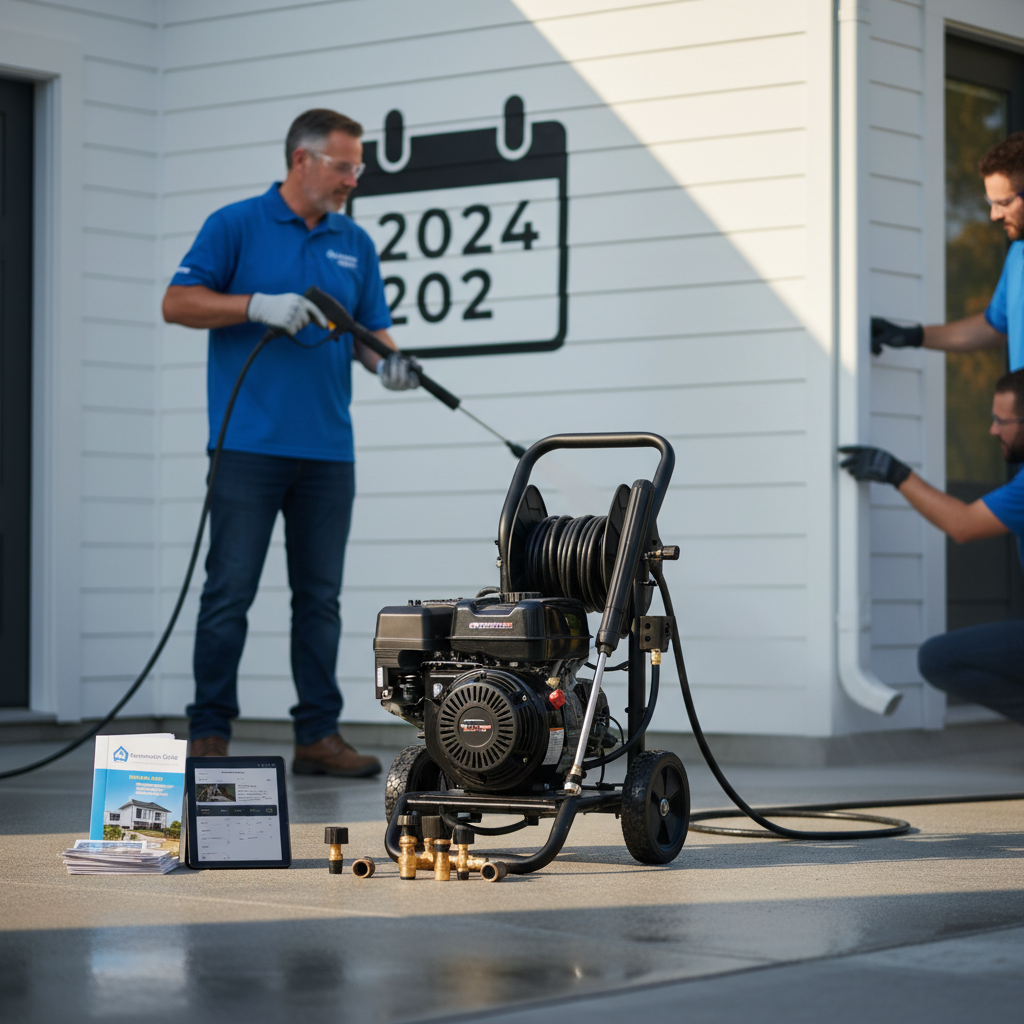
Your home’s curb appeal is only a spray away—if you know how to navigate the broken hiring loop that still plagues the pressure‑washing market.
Introduction
Imagine you’ve just spotted a stubborn oil stain on your driveway, or the siding on your Boston townhouse is losing its luster after a long, wet winter. You pick up the phone, call a “local pressure‑washing company,” and are immediately caught in a loop of voicemail, vague estimates, and endless back‑and‑forth.
You’re not alone. According to the 2025 Pressure‑Washing & Soft‑Washing Industry Report, the U.S. market is growing at ~7 % CAGR (2024‑2030) – a sign of booming demand, but also of hyper‑competition that has driven many providers to rely on cheap lead‑gen tactics instead of transparent service. The result? Homeowners face vague quotes, phone‑tag, and surprise bills, while contractors waste hours chasing dead leads.
In this guide we’ll break down everything you need to know before you press “Start” on a pressure‑washing project: realistic pricing, hidden risks, a step‑by‑step vetting process, and—most importantly—how the AI‑native workflow on PLMBR eliminates the old pain points and puts you back in control.
What Homeowners Need To Know About Pressure Washing
1. What the service actually does
- High‑pressure water (up to 4,000 psi) removes grime, mold, algae, and oil from hard surfaces.
- Soft‑wash (low‑pressure with biodegradable detergents) is used on delicate materials such as painted wood, stucco, or roof shingles.
- Modern washers often include heated water and surface‑cleaner attachments, which can cut labor time by 30‑60 % and command higher rates (FieldCamp.ai).
2. Why you should care
- Curb appeal: A clean exterior can increase resale value by 2‑5 % according to This Old House.
- Health & safety: Removing mold and algae reduces slip hazards and indoor air pollutants.
- Preventive maintenance: Regular cleaning extends the life of paint, sealants, and concrete by up to 10 years.
Pro‑Tip: Schedule a soft‑wash on painted wood every 2‑3 years; a high‑pressure blast should be limited to concrete and brick to avoid surface damage.
3. Common misconceptions
| Myth | Reality |
|---|---|
| “All pressure washers are the same.” | Equipment varies widely. Hot‑water units and surface cleaners command 30‑50 % higher rates but finish faster and are gentler on surfaces. |
| “The cheapest quote is the best deal.” | Low‑price strategies generate 67 % more complaints and 43 % lower retention (FieldCamp.ai). Cheap bids often hide hidden fees or insufficient insurance. |
| “You don’t need insurance for a one‑off job.” | Accidental water damage or property injury can cost thousands; reputable providers carry liability coverage and workers’ comp. |
Scroll to see all columns →
Cost / Risk / Hiring Reality
Below is a snapshot of typical residential pressure‑washing costs across three market tiers, plus the most common hidden risks you should anticipate.
| Market Tier | Avg. Base Price* | Typical Add‑Ons (Hot‑Water, Surface Cleaner) | Common Risk | Typical Escrow/Deposit |
|---|---|---|---|---|
| High‑Cost Urban (NYC, Boston) | $384 per job | +$80‑$150 for heated water, +$50 for surface cleaner | Property damage (over‑pressure) | 20 % escrow held on Stripe |
| Mid‑Cost Suburban (Philadelphia, Worcester) | $260‑$300 | +$60‑$100 for heated water, +$40 for surface cleaner | Incomplete cleaning (missed spots) | 15 % escrow |
| Low‑Cost Rural (Maine, New Hampshire) | $200‑$250 | +$40‑$80 for heated water, +$30 for surface cleaner | Unlicensed contractor, no insurance | 10 % escrow |
Scroll to see all columns →
*Based on 2024 residential job data from FieldCamp.ai and regional price surveys.
Hidden costs you might encounter
- Water‑use fees – Some municipalities charge per‑gallon usage for high‑volume jobs.
- Chemical surcharges – Eco‑friendly detergents can add $30‑$70 per job.
- Travel fees – Providers often apply a “fuel surcharge” for jobs outside a 20‑mile radius.
Expert Insight: The EPA recommends using ≤ 2 gal/min flow rates for residential cleaning to minimize runoff. Ask your pro about water‑conservation practices to avoid extra fees and stay compliant with local regulations.
How To Vet Providers Without Getting Burned
1. Verify licensing and insurance
- Insurance: Request a copy of liability and workers’‑comp certificates; they should be current (no older than 90 days).
- Licensing: Some states (e.g., New York) require a contractor’s license for exterior cleaning. Check the state licensing board or the BBB for verification.
2. Look for concrete proof of expertise
- Equipment photos – Reputable pros will show the exact washer model, pressure rating, and any hot‑water system.
- Before/after galleries – High‑resolution images let you judge cleaning quality and attention to detail.
3. Demand a structured booking packet
Traditional lead‑gen sites deliver free‑form text estimates that are impossible to compare. A booking packet should include:
| Item | What to Look For |
|---|---|
| Scope of work | Specific surfaces, square‑footage, and cleaning method (high‑pressure vs. soft‑wash). |
| Line‑item pricing | Separate costs for labor, equipment, chemicals, and any travel fees. |
| Terms & conditions | Warranty length, liability limits, and cancellation policy. |
| Payment schedule | Milestone‑based (e.g., 30 % deposit, 70 % upon completion) or escrow‑backed. |
Scroll to see all columns →
4. Check reviews beyond the headline rating
- Depth of review: Look for comments about punctuality, communication, and post‑job cleanup.
- Response rate: Providers who actively respond to negative feedback demonstrate accountability.
5. Use an AI‑enhanced platform for comparison
Instead of juggling separate emails and phone calls, consider a platform that automates the intake, matches you with vetted pros, and generates side‑by‑side booking packets. This is exactly what PLMBR does for pressure‑washing (see the “How PLMBR Changes This Workflow” section).
Where The Old Workflow Breaks
| Step | Traditional Pain Point | Real‑World Impact |
|---|---|---|
| Intake | Homeowner describes issue on a web form; provider must call back for details. | Hours of phone tag; lost momentum. |
| Matching | Keyword‑based search returns dozens of “lead‑gen” listings with no trade verification. | Low‑quality leads, higher risk of scams. |
| Quote Generation | Contractors write free‑form PDFs or verbal estimates. | No line‑item comparison; hidden fees appear later. |
| Communication | Separate email threads, text messages, and phone calls. | Context gets lost; disputes over what was promised. |
| Payment | Up‑front cash or post‑job invoice; no escrow. | Homeowners risk non‑completion; contractors risk non‑payment. |
| Dispute Resolution | Call the provider, hope for goodwill, or file a small‑claims suit. | Time‑consuming, stressful, often unresolved. |
Scroll to see all columns →
These fractures are why 80 % of homeowners say they would pay more for a clear, side‑by‑side quote (2025 Industry Report). The old lead‑gen model simply cannot deliver that level of transparency.
How PLMBR Changes This Workflow
PLMBR is an AI‑native home services workflow and payments platform—not a marketplace. Here’s how it rewrites each broken step for pressure‑washing projects:
1. Conversational AI Intake
- Upload a photo of the stained driveway, type a short description, and PLMBR’s AI instantly identifies the trade, urgency, and required equipment.
- The AI only asks follow‑up questions that improve match quality, saving you from endless clarification calls.
2. Semantic Search & Precise Matching
- Using vector embeddings, PLMBR matches you with licensed, insured providers who actually own the equipment you need (hot‑water, surface cleaner, etc.).
- Results are filtered by distance, availability, and verified trust signals—no more “lead‑gen” spam.
3. Booking Packet Builder (Provider‑Side AI)
- Providers generate a structured booking packet in minutes. The AI pulls pricing from historical data, adds line‑item breakdowns, and inserts legally vetted terms.
- You receive a side‑by‑side comparison of 3‑5 packets, each with clear scope, price, and timeline.
4. In‑Context Messaging & Escrow Payments
- All conversation, packet review, and payment requests happen inside a single thread.
- Funds are held in Stripe‑powered escrow until the job is marked complete, protecting both parties.
5. Progressive Billing & Milestones
- For larger jobs (e.g., multi‑surface cleaning, commercial façades), PLMBR supports milestone‑based billing—pay 30 % upfront, 40 % after the first pass, and the rest on completion.
6. AI‑Mediated Dispute Resolution
- If a spot was missed or water damage occurs, the AI assembles an evidence pack (photos, chat logs, packet terms) and suggests resolutions, cutting dispute time from weeks to days.
Bottom Line: PLMBR eliminates phone tag, vague estimates, and payment risk, giving you a transparent, zero‑dead‑lead hiring experience.
Ready to try it? Find vetted pressure‑washing pros on PLMBR here, compare quotes now, and read more home‑service guides on the blog.
Questions To Ask Before Hiring
- What exact cleaning method will you use? (High‑pressure vs. soft‑wash)
- Do you have liability insurance and workers’ comp? Request certificates.
- Can you provide a detailed booking packet? Look for line‑item pricing, scope, and terms.
- How do you handle water runoff and chemical disposal? Verify compliance with EPA guidelines.
- What is your payment structure? Prefer escrow or milestone‑based billing.
- Do you have a warranty or satisfaction guarantee? Understand the length and coverage.
Write down the answers, compare across providers, and let the one with the most transparent packet win.
Conclusion
Pressure washing can rejuvenate your home’s exterior, boost resale value, and protect your family’s health—if you hire the right professional. The market’s rapid growth (~7 % CAGR) has attracted both high‑quality specialists and a flood of low‑ball, lead‑gen operators that thrive on vague estimates and endless phone tag.
By understanding realistic costs, verifying licensing and insurance, demanding structured booking packets, and using an AI‑native workflow like PLMBR, you eliminate the biggest sources of friction: unclear pricing, dead leads, and payment risk.
Take control of your next pressure‑washing project: upload a photo, let the AI intake do the heavy lifting, compare side‑by‑side packets, and pay securely through escrow. Your driveway, deck, or siding will shine—without the usual headache.
Ready to get started? Visit the PLMBR homepage, locate a qualified pressure‑washing professional, and enjoy a transparent, stress‑free cleaning experience today.
References
- 2025 Pressure Washing & Soft‑Washing Industry Report – market trends and buyer expectations.
https://www.thedabmarketing.com/post/the-2025-pressure-washing-and-soft-washing-industry-report - Top 4 Things That Pressure‑Washing Customers Worry About – consumer pain points.
https://roardigitalmarketing.com/digital-marketing-blog/top-4-things-that-pressure-washing-customers-worry-about/ - U.S. Pressure Washer Market – 2024‑2030 Forecast – CAGR and price spread.
https://www.grandviewresearch.com/industry-analysis/us-pressure-washer-market-report - EPA Water Conservation Guidelines – recommended flow rates for residential cleaning.
https://www.epa.gov/waterreuse - OSHA – Pressure Washer Safety – safety standards and required training.
https://www.osha.gov/pressurised-cleaning-equipment - Better Business Bureau – Contractor Verification.
https://www.bbb.org
Feel free to share this guide with friends who are planning a home refresh, and tag us on social with #PLMBR #HomeServices!