
The Ultimate Pressure‑Washing Guide: Pricing, Vetting, and How AI Is Fixing the Industry
When you call three local pressure‑washing pros, you end up with three different price tags, three rounds of phone‑tag, and a lingering worry that the final…
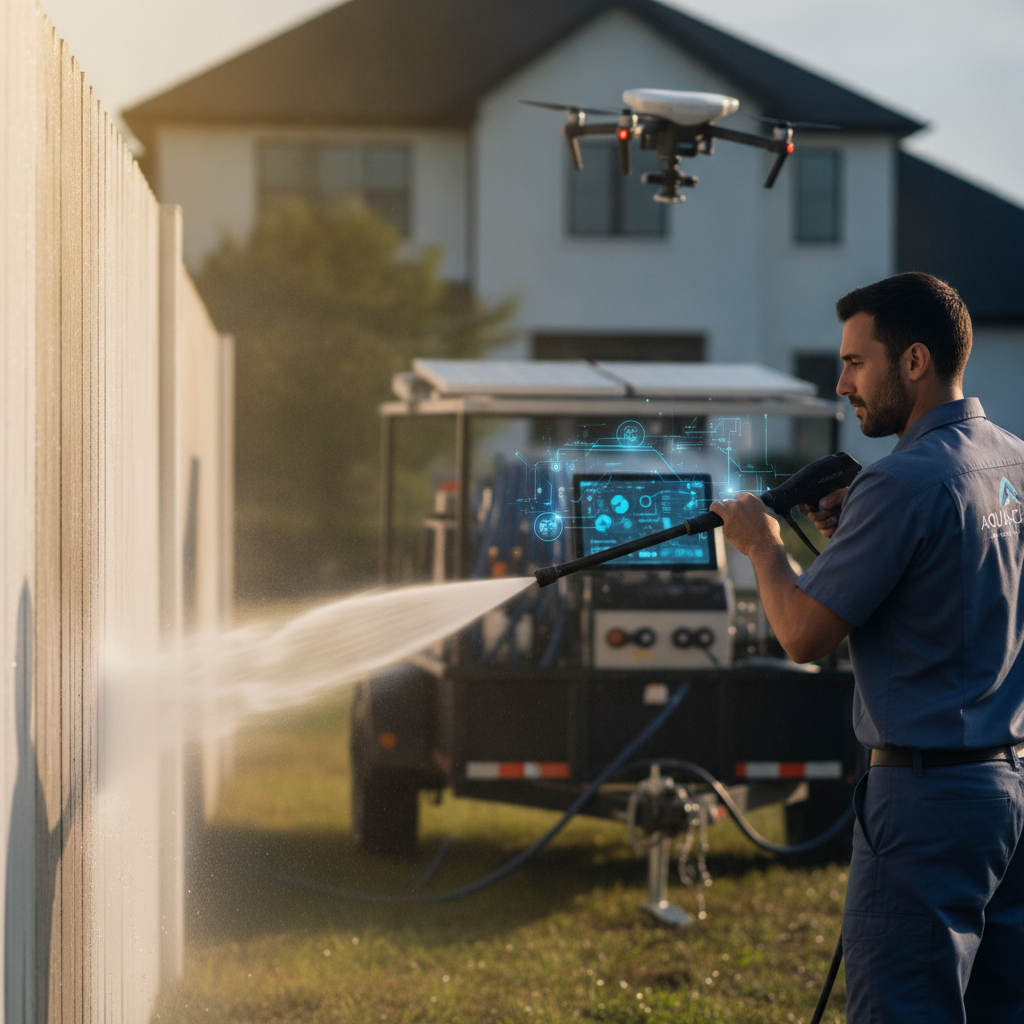
When you call three local pressure‑washing pros, you end up with three different price tags, three rounds of phone‑tag, and a lingering worry that the final bill will include hidden fees. A recent HomeAdvisor survey found that 1 in 3 homeowners did an emergency repair in the past year because the original quote left out crucial costs — a symptom of an industry still stuck in outdated lead‑gen and quote‑driven models.
If you’re ready to clean your home’s exterior without the stress, this guide walks you through everything you need to know: realistic costs, how to vet providers, the hidden pitfalls of traditional platforms, and why an AI‑native workflow like PLMBR is changing the game.
What Homeowners Need To Know About Pressure Washing
Pressure washing (sometimes called power washing) uses high‑pressure water jets to strip away grime, mold, mildew, and old paint from siding, decks, driveways, and sidewalks. It’s more than a cosmetic touch‑up; regular cleaning can:
- Extend the life of exterior materials by preventing moisture penetration.
- Improve curb appeal and boost resale value (up to 5 % in many markets).
- Reduce health hazards such as mold spores that can affect indoor air quality.
Typical Use Cases
| Situation | Why Pressure Washing Helps | Recommended Frequency |
|---|---|---|
| Exterior siding (brick, stucco, vinyl) | Removes built‑up dirt and algae that can degrade paint and sealants. | Every 2‑3 years |
| Concrete driveways & sidewalks | Eliminates oil stains, tire marks, and salt residue that cause cracking. | Annually or after winter |
| Wood decks & patios | Strips old finishes and prepares the surface for resealing. | Every 1‑2 years |
| Fences & pergolas | Clears mildew and weathering, preserving structural integrity. | Every 2‑3 years |
Scroll to see all columns →
Pro tip: Ask the contractor if they use a low‑phosphate detergent and a pressure setting appropriate for the material. Over‑pressurizing can damage siding or wood fibers.
Cost / Risk / Hiring Reality
Understanding the financial side of pressure washing helps you set realistic expectations and avoid surprise bills. Below is a snapshot of typical price ranges, risk factors, and what the market looks like for homeowners in the Northeast (NY, Boston, Philadelphia, etc.).
| Service | Average Cost (USD) | Typical Risk / Hidden Fee | Lead‑Fee Landscape* |
|---|---|---|---|
| Driveway (1,000 sq ft) | $250 – $450 | Possible extra for oil stain removal | $10‑$200 per lead on traditional platforms |
| House‑wide exterior (2,500 sq ft) | $500 – $800 | Scope creep (e.g., “clean windows” added later) | $50‑$100 average lead cost |
| Deck restoration + sealing | $600 – $1,200 | Insurance gaps if damage occurs | Many lead‑gen services charge $99 advance fee (see BBB complaints) |
| Commercial storefront | $800 – $2,000 | Need for OSHA‑compliant safety measures | Lead‑gen contracts often lock you into 12‑month terms (Angi) |
Scroll to see all columns →
*Sources: LeadTruffle analysis of Thumbtack lead costs; BBB warning on $99 advance‑fee lead services; Angi Trustpilot rating 2.2/5 (poor) indicating widespread dissatisfaction.
Why Those Numbers Matter
- Transparent pricing eliminates the “$200 here, $800 there” scenario that forces 1 in 3 homeowners into emergency repairs.
- Zero‑dead‑lead models (like PLMBR) protect contractors from paying for unqualified prospects, which in turn keeps your quoted price stable.
- Escrow‑backed payments give you control—funds are held until the job is verified, mitigating the risk of paying for unfinished work.
How To Vet Providers Without Getting Burned
The pressure‑washing market is littered with contractors who claim licenses, insurance, or stellar reviews that are hard to verify. Follow this checklist to separate the credible pros from the smoke‑and‑mirrors.
-
Confirm Licensing & Insurance
- Ask for a copy of liability insurance and workers’ compensation.
- Verify the license number on your state’s contractor board (e.g., NY Department of State – License Lookup).
-
Check Reviews Across Platforms
- Look for consistent 4‑star+ ratings on Better Business Bureau and Trustpilot.
- Beware of a single platform that shows only five‑star reviews; cross‑checking reduces bias.
-
Ask for a Detailed Booking Packet
- A line‑item quote should list each task (e.g., “pre‑wash siding – $250”, “apply sealant – $150”).
- The packet should also include terms, payment schedule, and warranty.
-
Verify Equipment & Safety Practices
- Professional crews use commercial‑grade pressure washers (≥2,500 psi) and proper PPE.
- For commercial jobs, confirm compliance with OSHA regulations (OSHA Pressure Washing Safety).
-
Look for a Dispute‑Resolution Process
- Platforms that mediate disputes or hold funds in escrow give you a safety net if the work falls short.
Pro tip: When a contractor offers a “flat rate” without a breakdown, ask for a Booking Packet. If they can’t provide one, it’s a red flag.
Where The Old Workflow Breaks
Traditional home‑service marketplaces were built around lead‑gen and phone‑tag, which create three major friction points:
-
Vague Estimates & Scope Drift
- Contractors often give a ballpark figure (“around $400”) and later add “extra” items.
- Homeowners end up with surprise billing—the very issue highlighted by the Framework Homeownership study.
-
Endless Phone Tag
- You may spend hours juggling calls between multiple providers, each asking for additional photos or clarification.
- The back‑and‑forth delays the project and erodes trust.
-
Lead‑Fee Traps
- Platforms like Thumbtack or Angi charge per lead (average $10‑$200) and lock contractors into contracts, inflating the cost passed onto you.
- BBB reports over 100 complaints about $99 advance‑fee lead services that deliver no qualified jobs.
These broken pieces lead to dead leads (no job), price inflation, and a lack of accountability—the exact pain points PLMBR was built to solve.
How PLMBR Changes This Workflow
PLMBR isn’t a marketplace; it’s an AI‑native home‑services workflow and payments platform that redesigns every step from intake to payment.
1. Conversational AI Intake
- You describe the issue in plain English, attach photos, and the AI instantly identifies the trade, urgency, and location—no need to field dozens of follow‑up questions.
2. Semantic Search & Matching
- Using vector embeddings, PLMBR finds the best‑fit, vetted providers within your city (e.g., Boston or Philadelphia) based on ratings, distance, and real‑time availability.
3. AI Agent Outreach (Premium)
- A personal AI agent contacts multiple providers simultaneously, tracks each response, and surfaces the most relevant answers in one thread. No more phone tag.
4. Booking Packet Comparison
- Each provider generates a structured, line‑item packet (scope, price, milestones, terms). You can compare up to three packets side‑by‑side, see exactly what you’re paying for, and approve the one that fits your budget.
5. In‑Context Messaging & Escrow
- All communications, packet reviews, and billing requests live inside the same chat thread. Funds are held in Stripe‑powered escrow and released only after you confirm each milestone.
6. Progressive Billing & Dispute Resolution
- For larger jobs (e.g., whole‑house wash), payments are split into milestones (pre‑wash, main wash, post‑clean). If something goes wrong, the AI‑mediated dispute system helps you file evidence and receive recommendations before any money is released.
7. Zero‑Dead‑Leads for Providers
- Contractors only see qualified jobs—there’s no pay‑per‑lead fee. This keeps their quoting consistent and protects you from inflated prices caused by lead‑gen overhead.
Result: A streamlined, transparent experience where you never chase a quote, never surprise‑bill, and pay only when the job meets your expectations.
Questions To Ask Before Hiring
Even with PLMBR’s safeguards, a quick pre‑call checklist ensures you’re fully prepared:
- Do you have a current liability insurance certificate and workers’ comp?
- Can you provide a detailed Booking Packet with line‑item pricing and milestones?
- What pressure (psi) and temperature settings will you use for my siding material?
- How do you handle waste water runoff—does it comply with EPA regulations?
- What is your warranty or guarantee on the work performed?
- Do you offer progressive billing, and how is escrow released after each milestone?
- Can you share recent references or before/after photos from similar jobs?
If a contractor hesitates on any of these, it’s a signal to keep looking.
Conclusion
Pressure washing should be a straightforward way to protect and beautify your home—not a marathon of phone calls, surprise invoices, and unverified contractors. By understanding real costs, vetting criteria, and the broken workflow of traditional lead‑gen platforms, you can make an informed decision that saves time and money.
Enter PLMBR—the AI‑native platform that gives you:
- Transparent, line‑item quotes (no hidden fees)
- One‑click provider matching across New York, Boston, Philadelphia, and more
- Escrow‑backed, milestone payments for peace of mind
- Zero‑dead‑lead, fee‑free access for contractors, which translates to stable pricing for you
Ready to ditch the phone tag and get a clean, professional pressure wash? Visit the Pressure‑Washing pros on PLMBR, compare quotes, and schedule your job—all within a single, secure chat.
For more home‑service guides, explore our blog hub.
References & Further Reading
- Framework Homeownership – Common Home Repair Costs – https://frameworkhomeownership.org/common-home-repair-costs
- LeadTruffle – Thumbtack Lead Cost Analysis – https://www.leadtruffle.com/thumbtack-lead-cost/
- Better Business Bureau – Lead‑Fee Warning – https://www.probuilder.com/business-management/business-management-best-practices/human-resources/article/55203478/bbb-advises-contractors-to-avoid-firms-that-charge-99-advance-fee-for-job-leads
- Trustpilot – Angi Rating 2.2/5 – https://www.trustpilot.com/review/angi.com
- EPA – Pressure Washing Environmental Guidelines – https://www.epa.gov/water-research/pressure-washing
- OSHA – Power Washing Safety – https://www.osha.gov/etools/construction/power-washing
- This Old House – How to Pressure Wash Your Home – https://www.thisoldhouse.com/maintenance/21017986/how-to-pressure-wash-your-home